NY Cannabis Retailers Double in Number, Push Total Sales Past $2.5B Mark
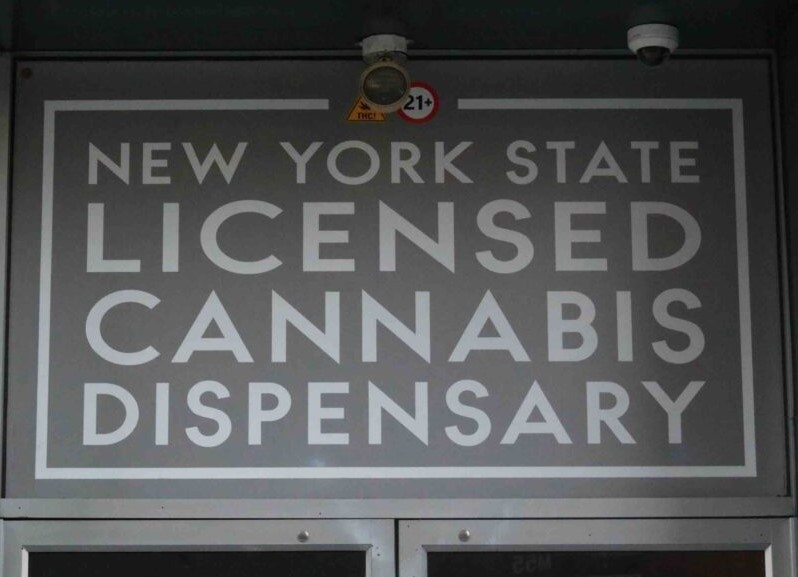






NEW YORK – New York state’s licensed Cannabis dispensaries grew to 556 outlets by the end of 2025, more than twice the 261 operating a year earlier, as adult-use sales crossed the $2.5 billion threshold for the first time. The expansion, detailed in the Office of Cannabis Management’s annual report released this week, marks a steady buildup since the program’s 2022 launch, when just 34 stores were open statewide.
Of the new total, more than 200 dispensaries now serve customers in New York City alone, reflecting broader access that drove roughly $1.6 billion in 2025 sales, up from about $900 million the prior year. Monthly figures peaked at $158.7 million in November, positioning New York as one of the nation’s top Cannabis markets by volume. State regulators credit the gains to streamlined licensing for social equity applicants, with 88% of conditional adult-use retailers active by late November.
Susan Filburn, the acting executive director of the Office of Cannabis Management, called the $2.5 billion cumulative total “a major milestone,” pointing to expanded product testing and consumer safeguards as key drivers. Governor Kathy Hochul echoed the optimism but urged faster progress, noting recent regulatory missteps [like a withdrawn enforcement action against a licensed operator] that have frustrated operators.
Industry voices highlighted persistent hurdles from the unregulated market, which continues to undercut legal sales through unlicensed deliveries and cross-border smuggling. Osbert Orduna, CEO of The Cannabis Place in Manhattan, described raids on illicit operations in nearby New Jersey as evidence of spillover risks, adding that stricter audits could better shield compliant businesses. Joe Rossi of the Empire State Green Standard Alliance agreed, stressing the need for tighter supply-chain tracking to prevent diversion and build buyer confidence.
For Highly Capitalized Network-HCN, these numbers signal a maturing sector where scale is starting to offset early turbulence. With veteran-owned licenses on track for broader approval in 2026 under Filburn’s leadership [an Army veteran herself] the state could see even sharper revenue climbs if enforcement catches pace with storefront growth. However, as competition thickens, the real measure of success will lie in sustaining per-store averages, a pattern that has stabilized markets like Illinois and Colorado after similar booms.
About the Author: HCN News Team

Related Posts