Missouri Cannabis Sales Hit Record $1.5B in 2025






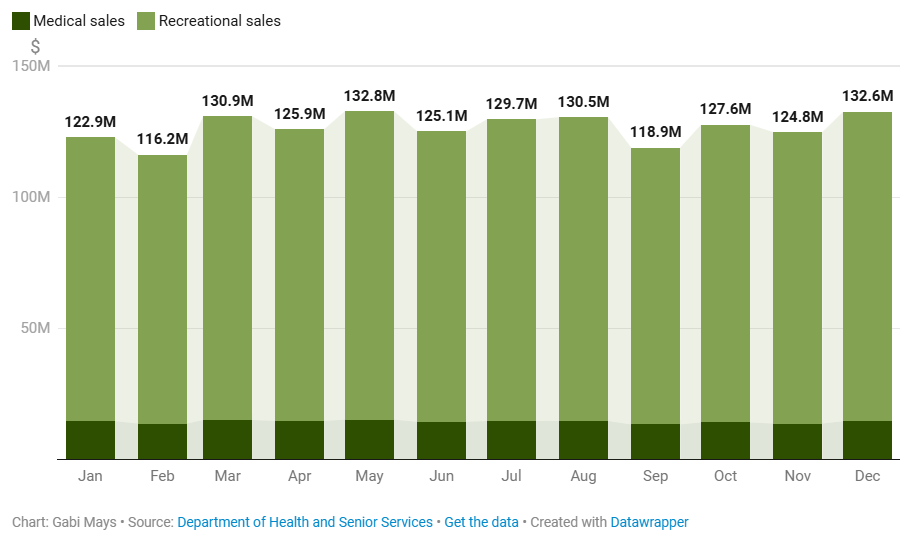
JEFFERSON CITY – Missouri’s regulated Cannabis market posted its strongest year yet in 2025, with retailers recording approximately $1.5 billion in total sales, according to figures from the Missouri Department of Health and Senior Services. The total, which some reports round to $1.52 billion when including precise monthly aggregates, marked a modest increase of about 3-4% from the $1.46 billion achieved in 2024.
Adult-use sales drove the majority of the volume at roughly $1.34 billion, or nearly 89% of the overall figure, while medical Cannabis contributed about $174 million. December capped the year with $132.6 million in combined sales, maintaining the steady monthly performance that has characterized the market since adult-use legalization took effect in early 2023.
The sales translated into a record $255.57 million in tax revenue distributed to state and local governments. The state collected $151.72 million, and local jurisdictions hosting dispensaries received $103.84 million. Officials noted that this amount exceeded initial state projections by roughly six times, with funds directed in part to veterans’ services through the Missouri Veterans Commission, which has received more than $105 million cumulatively since the program’s start.
Missouri’s results highlight the advantages of a structured regulatory framework that has fostered predictable growth without the pronounced post-launch declines observed in several other states. The modest year-over-year increase reflects market maturation: initial novelty-driven surges have given way to sustained demand supported by widespread retail access and consumer familiarity. Tax revenue far outpacing forecasts demonstrates fiscal reliability for public budgets, particularly in areas like veterans’ services, while the heavy reliance on adult-use aligns with national trends where recreational demand quickly overshadows medical.
However, challenges remain, including potential market saturation in high-density areas and ongoing debates over licensing equity, but the data points to a resilient sector capable of delivering consistent economic value. As more states evaluate or expand legalization, Missouri, setting a benchmark worth watching, offers a clear case study in how measured implementation can translate consumer activity into substantial, dependable public revenue over time.
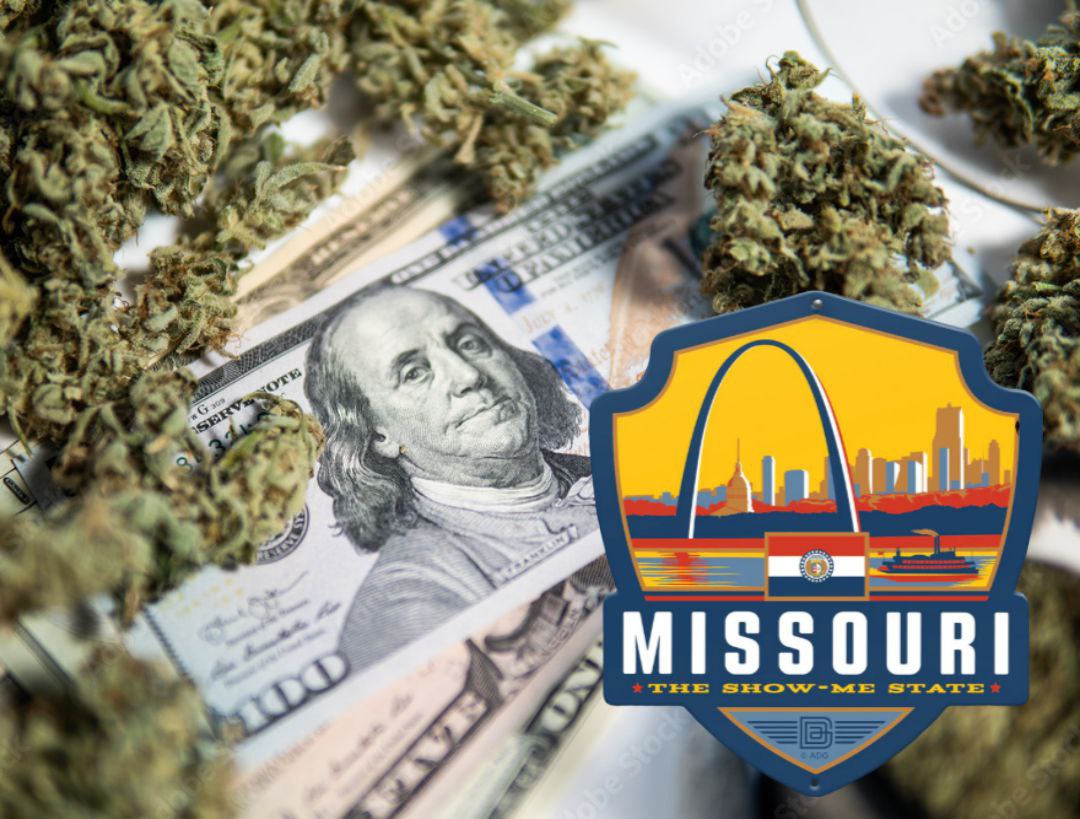
Image: Adobe Stock/Missouri State’s emblem courtesy of Anderson Design Group
About the Author: HCN News Team

Related Posts