Medicare’s CBD Shift Signals Validation—But a Looming Hemp Ban Clouds the Path for Seniors







NEW YORK- For decades, seniors managing chronic pain, inflammation, anxiety, or sleep disruption have relied largely on pharmaceuticals—often with long lists of side effects. That landscape is starting to change. Medicare is preparing to recognize cannabidiol (CBD) as a reimbursable therapeutic option for older Americans, marking a major federal acknowledgment of CBD’s medical value. At the same time, a proposed clampdown on hemp-derived products threatens to complicate access just as coverage expands.
The tension is hard to miss: Medicare is opening the door to CBD while lawmakers debate whether to restrict the hemp market that made CBD widely available in the first place.

How CBD became mainstream for seniors
CBD’s rise began in earnest after the 2018 Farm Bill legalized hemp and its derivatives, provided they contained minimal levels of delta-9 THC. The result was a rapid expansion of CBD products—tinctures, capsules, topicals, and beverages—sold nationwide with little regulatory friction.
For seniors, this mattered. CBD entered the market as a non-intoxicating wellness option rather than a controlled substance. It offered symptom relief without the stigma or impairment associated with intoxicating Cannabis, making it approachable for older adults who may never have considered Cannabis-based therapies.
That accessibility normalized CBD among a population often cautious about new treatments, particularly those tied to federal drug policy.

A policy shift under rescheduling
That normalization is now being reflected at the federal level. When President Trump signed an executive order last December directing agencies to accelerate Cannabis rescheduling, the order also emphasized expanding access to CBD and other non-intoxicating cannabinoids.
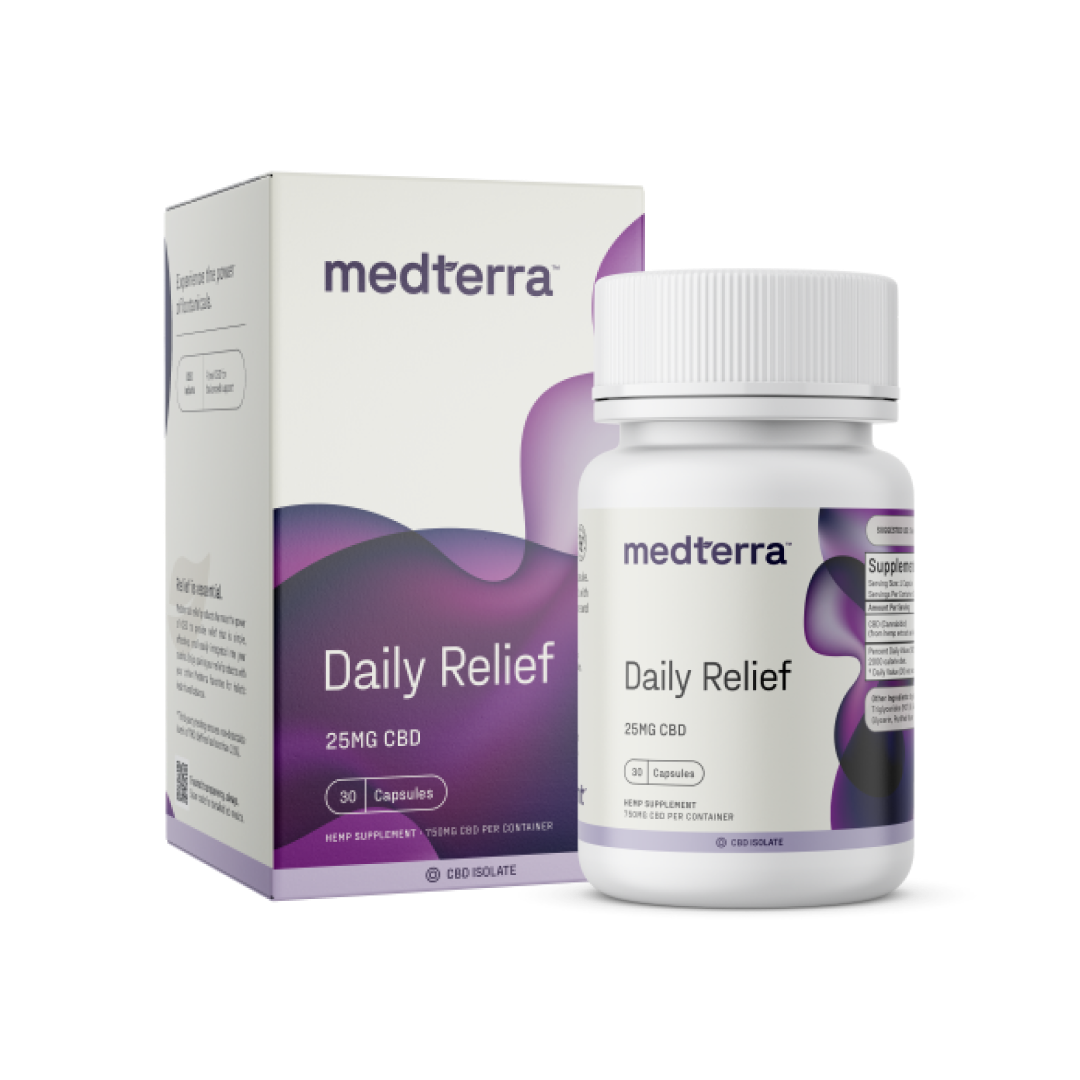
Soon after, the Centers for Medicare & Medicaid Services announced that Medicare would begin covering CBD for seniors under a pilot program expected to launch as early as April. Under the proposed framework, beneficiaries could receive up to $500 annually for CBD products when recommended by a medical provider.
Details are still being finalized, but the message is clear: CBD is no longer being treated solely as a consumer supplement. It is being recognized as a legitimate therapeutic option within the federal healthcare system.
When coverage introduces complexity
Not everyone views Medicare’s move as an unqualified win. Critics argue that once federal healthcare programs step in, access often becomes more restricted rather than more open. Coverage typically brings prescriptions, documentation requirements, and clinician gatekeeping—changes that can reshape entire markets.
From this perspective, Medicare coverage risks medicalizing CBD in a way that favors a narrow set of approved products and producers. A market that currently supports a wide range of hemp operators could consolidate quickly, limiting choice and raising prices for seniors.
This concern is amplified by the fact that the current CBD ecosystem—particularly for non-intoxicating products—has largely functioned without insurance involvement.

The hemp ban wildcard
Complicating matters further is an impending legislative battle over hemp-derived cannabinoids. Several proposals would significantly restrict or eliminate federally legal hemp products, citing inconsistent quality standards and enforcement challenges.
If such restrictions move forward without alignment with Medicare policy, seniors could face a paradoxical outcome: eligibility for CBD reimbursement paired with reduced product availability. Coverage would exist on paper, but access could shrink in practice.
The risk is not theoretical. Hemp-derived CBD underpins much of the current supply chain. Disrupting that system without a clear replacement could undermine the very access Medicare intends to expand.
What this moment signals
Despite the unresolved tensions, Medicare’s decision carries weight. Federal healthcare programs do not extend coverage lightly. The move reflects a clear acknowledgment by the current administration that CBD delivers medical benefits, particularly for aging populations managing chronic conditions.
Whether this recognition translates into durable, equitable access depends on what comes next. Without a legislative fix that reconciles Medicare coverage with hemp regulation, seniors could find themselves caught between validation and restriction.
The next year will determine whether CBD becomes a stable component of senior healthcare—or another example of policy momentum colliding with regulatory uncertainty.
About the Author: HCN News Team

Related Posts