Massachusetts Cannabis Rollback Gains Legislative Traction






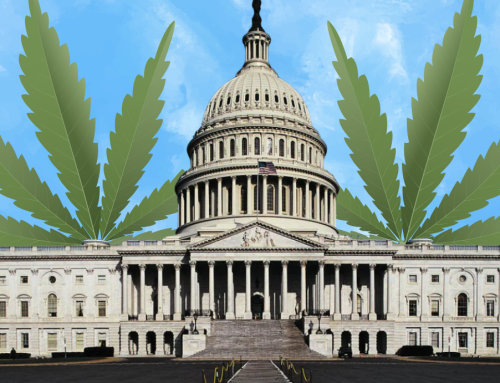
BOSTON – State election officials have validated more than 78,000 signatures for a measure that would dismantle the commercial side of Massachusetts’ recreational Cannabis industry, thrusting the issue back into legislative hands just as the sector nears a decade of operation.
The petition, dubbed “An Act to Restore a Sensible Marijuana Policy,” cleared the bar with 78,301 certified signatures out of 79,420 submitted by early December, surpassing the roughly 74,500 needed to advance. Under the ballot process, the proposal lands with the House Clerk on January 7, when the 2026 session convenes. Lawmakers then have until May 5 to pass it outright; failure to act returns the effort to organizers, who would need about 12,400 more verified signatures by July to secure a spot on the November ballot.
At its core, the initiative keeps personal use intact for adults 21 and older [up to one ounce for possession or gifting, with a $100 civil fine for amounts between one and two ounces] while scrapping the framework for retail sales, home growing and the 10.75% excise tax on non-medical products. Medical Cannabis programs would persist, but with new caps on potency, such as no more than 30% THC in flower or 60% in concentrates. Proponents, organized under the Coalition for a Healthy Massachusetts, frame it as a recalibration to curb commercialization without full recriminalization.
The certification arrives against a backdrop of friction over how signatures were collected. Reports surfaced of paid circulators using deceptive pitches, including cover sheets borrowed from unrelated petitions on housing affordability or voter registration, to lure signers unaware of the measure’s scope. The attorney general’s office fielded complaints on these tactics, and the Massachusetts Cannabis Business Association called on residents to flag any irregularities to local authorities. Campaign leaders dismissed the claims, insisting their outreach stayed within legal bounds.
For the $1.64 billion adult-use market that has sprouted since 2018 sales began, the stakes cut deep into public coffers. Cumulative sales have topped $8 billion, yielding $848 million in excise taxes through fiscal 2025 alone – funds that back substance abuse treatment, public health initiatives, and municipal grants. A repeal could erase upward of $100 million annually in such revenue, based on recent yearly hauls, while idling hundreds of licensed operators and their 10,000-plus jobs.
This push tests the durability of the 2016 voter mandate that legalized recreational use by a 53.66% margin or 1,769,328 votes in favor. Backers bet on shifting attitudes, citing data on youth exposure and road safety, though surveys show steady majority support for the status quo. Critics, meanwhile, see it as a resource drain on a settled policy, diverting attention from refinements like equity licensing or interstate commerce talks.
As Beacon Hill weighs the measure, the real calculus may lie in turnout math. Legislative inaction could force a public referendum, where industry-backed mobilization, fueled by those tax dollars at risk, often sways outcomes. For operators and advocates, it’s a reminder that policy wins demand constant defense, not just initial votes.
About the Author: HCN News Team

Related Posts