Kenyan MP Advocates for Regulated Cannabis Framework
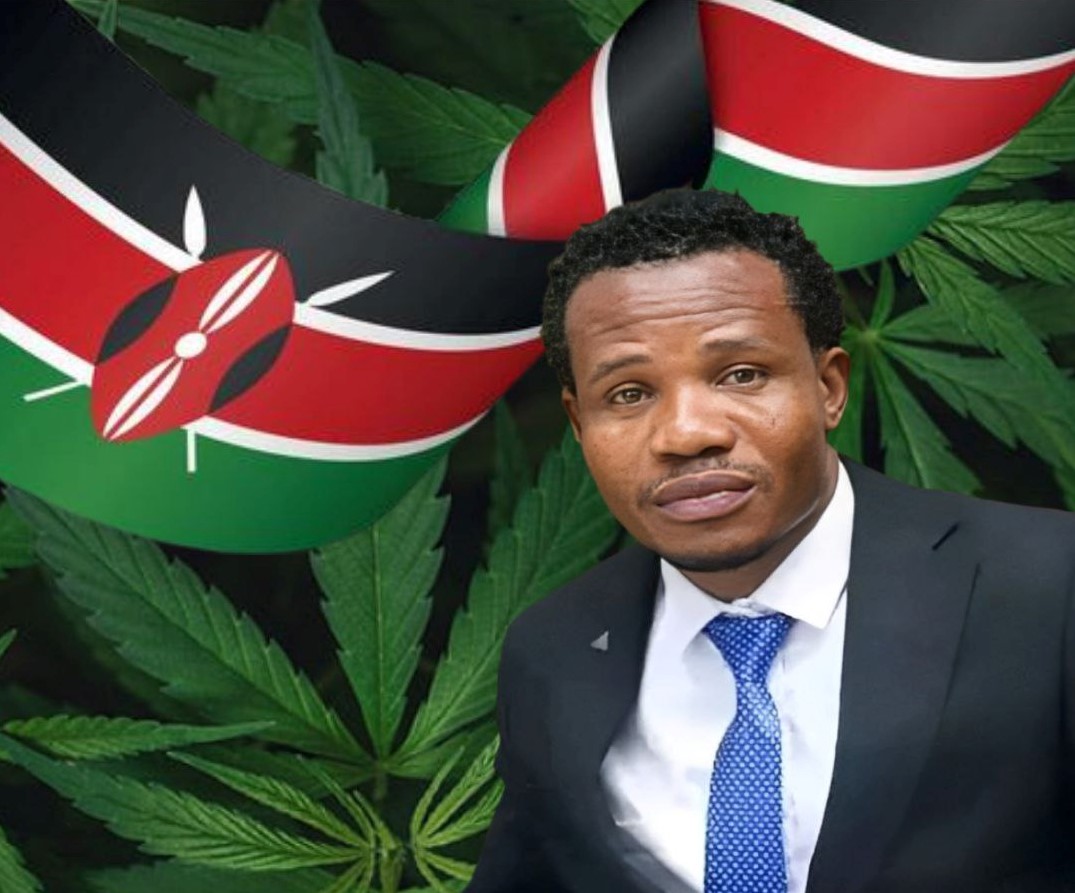






NAIROBI – Peter Kalerwa Salasya, the outspoken member of Parliament for Kenya’s Mumias East constituency, has ignited fresh debate on Сannabis policy by urging the government to pursue legalization under strict controls.
Salasya highlighted the perils of Kenya’s current unregulated market, where sellers peddle products without basic knowledge of their contents or effects. His remarks, shared via Instagram, draw a sharp line between the controlled dispensaries he observed abroad and the haphazard trade back home that endangers young users.
“We must start a conversation to safeguard the lives of many young people lost to drugs because of a lack of proper policies,” Salasya stated, emphasizing the need for categorization similar to U.S. models. There, he noted, indica strains target sleep issues, sativa varieties ease stress, and other types lift mood. All labeled, tested, and sold only to adults. In Kenya, by contrast, “a person wants to sell you all kinds of junk without even explaining it,” he said, a situation that leaves consumers, especially youth, vulnerable to unknown potencies and contaminants.
Cannabis, known locally as bhang, remains broadly prohibited under Kenya’s Narcotic Drugs and Psychotropic Substances (Control) Act of 1994, with penalties up to eight years in prison for possession or use. The 2022 amendments carved out narrow allowances for medical and scientific applications, but recreational and commercial activities stay off-limits. Enforcement has proved uneven: The United Nations Office on Drugs and Crime ranks Kenya as a top East African producer, with cultivation thriving around Mount Kenya and Lake Victoria despite crackdowns.
Salasya’s intervention arrives at a moment when African Cannabis discussions are gaining traction. Neighbors like Uganda and Rwanda have established legal frameworks allowing licensed commercial cultivation and export of Cannabis-derived products, often encompassing industrial hemp, while Lesotho and Zimbabwe have drawn international investors for medicinal cultivation.
South Africa stands apart with private recreational use decriminalized since 2018, fostering a legal Cannabis market projected at $318 million in 2025 while Cannabis tourism remains in early stages with untapped potential. These shifts highlight a continental paradigm shift wherein the prohibition, once a colonial holdover, now yields to pragmatic calculations of revenue and harm reduction.
Yet Salasya tempers enthusiasm with caution. Legalization, he argues, demands upfront investment in testing labs, age-verification systems and public education campaigns – infrastructure Kenya lacks today. Without them, he warns, opening markets could amplify black-market chaos, much as unregulated alcohol fuels road fatalities and addiction here.
Data bears this out. The National Authority for the Campaign Against Alcohol and Drug Abuse (NACADA) links Cannabis to 20% of youth drug admissions in treatment centers, often compounded by adulterants like synthetic cannabinoids. On the flip side, regulated frameworks could unlock $200 million in yearly exports if Kenya leverages its fertile soils for high-CBD hemp, per a 2024 University of Bristol policy brief analyzing regional potentials. That figure rivals the sugar industry’s output in Salasya’s home region, where he has long championed factory revivals.
Critics, including religious leaders and anti-narcotics advocates, counter that any softening invites gateway escalation to harder substances, a claim echoed in Kenya’s 2022 presidential race when candidate George Wajackoyah’s pro-Cannabis platform drew mockery as much as votes. Evidence from U.S. states like Colorado, however, shows regulated sales correlating with 15% drops in opioid overdoses and stable youth usage rates post-legalization, suggesting controls can mitigate such fears.
For Kenya, the true challenge lies in putting ideas into action. Can policymakers build equitable systems that prioritize rural farmers over urban elites, avoiding the inequities seen in South Africa’s rollout? However, even if Salasya’s measured approach won’t topple taboos overnight, it can plant seeds for policies that one day turn prohibition’s failures into sustainable gains.
About the Author: HCN News Team

Related Posts