Is the Movement to Repeal Adult-Use Cannabis in Three States a Real Threat to Their Budgets?







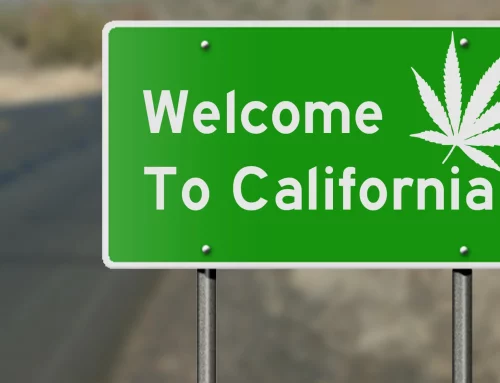
NEW YORK – In a development that has raised eyebrows among industry watchers, advocacy groups in Massachusetts, Maine, and Arizona are pushing ballot measures to dismantle key elements of adult-use Cannabis programs, even as these markets generate substantial tax dollars for state coffers. The proposals, which aim to preserve medical Cannabis while curtailing recreational sales, underscore tensions between public health concerns and fiscal realities. Analysts at Viridian Capital Advisors question whether these efforts reflect a genuine backlash or a bid to redirect revenues toward shrinking medical sectors.
Viridian experts argue that the Cannabis industry has trapped itself by excessively promoting its medical benefits at the expense of acknowledging its primary alcohol-like intoxicating effects, a strategy necessitated by the need to demonstrate therapeutic value for federal reclassification to Schedule III.
However, viewing Cannabis predominantly as medicine is overly simplistic and counterproductive, as it invites stringent FDA oversight [comparable to pharmaceuticals] which would dismantle the loosely regulated adult-use market. Instead, the advisors advocate reframing Cannabis as a “healthier version of vodka” with robust but secondary medical applications; this perspective would promote greater consumer autonomy, reduced regulatory hurdles, and a sustainable ecosystem supporting both industrial-scale operations and artisanal producers. They express concern that misguided efforts to restore diminished medical markets (which have contracted post-adult-use legalization in most states) are not fueling the repeal initiatives, as such a stance undermines broader progress.
In Massachusetts, the Coalition for a Healthy Massachusetts has cleared an initial signature hurdle for its repeal petition and needs 12,429 more to advance. The measure would scrap adult-use taxation and personal growing allowances, jeopardizing $289 million in annual state income. With signatures nearly in hand, the odds of a November 2026 ballot appearance stand at about 75%. Passage, however, seems a long shot [perhaps 10-20%] given entrenched buying patterns and the clear revenue drop.
Maine‘s parallel citizen drive seeks to phase out adult-use operations by January 2028, converting them to medical use and ramping up compliance standards like testing and tracking. At stake: around $41 million in taxes and fees. The path to the ballot is rockier, with a 50% likelihood of qualifying, but if it does, success chances climb to 30%. That edge traces to the narrow margin of Maine’s original 2016 approval and the proposal’s avoidance of outright recriminalization by retaining medical access and possession rights.
Arizona’s initiative, filed for 2026, would preserve home cultivation and personal use alongside medical sales but dismantle the licensed retail system established by Proposition 207. The state pulled in $253 million from adult-use taxes in 2024, much of it funneled to community colleges, safety initiatives, transportation, and health services. Qualifying for the ballot demands 256,000 signatures amid high certification expenses, pegging the odds at 30-40%. Even if voters see it, approval hovers at 10-15%, buoyed by the 60% support for the 2020 legalization and tangible perks from the funds.
Should any of these measures prevail, the fallout could signal deeper vulnerabilities for the Cannabis trade nationwide, prompting a reevaluation of market strategies and policy pitches. For now, the campaigns’ momentum suggests limited traction, but their progress merits close scrutiny as fiscal deadlines approach. Moreover, states that have embraced adult-use frameworks risk losing not only revenue but a decade of regulatory advances.
Source: Viridian Capital Advisors
About the Author: HCN News Team

Related Posts