Grenada Decriminalizes Cannabis
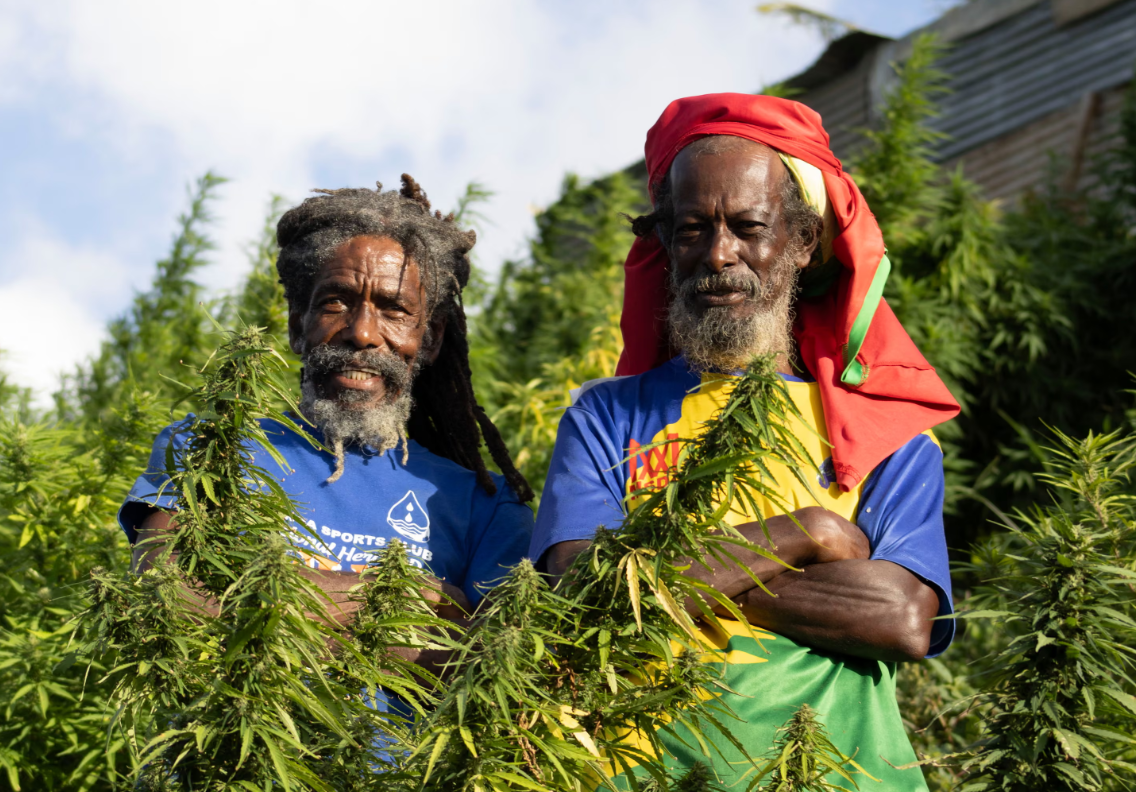






ST. GEORGE’S – Grenada’s Parliament approved amendments to the nation’s drug laws, decriminalizing personal possession of Cannabis for adults while imposing strict limits on use and distribution. The move, part of a broader effort to align local policy with regional trends, sets the stage for future medical and industrial applications without opening doors to commercial sales.
The Drug Abuse (Prevention and Control) Amendment Bill 2026, tabled by Prime Minister Dickon Mitchell’s administration, passed after debate in the House of Representatives. It allows individuals aged 21-plus to hold up to 56 grams of Cannabis flower or 15 grams of resin for private, non-commercial purposes. Households may register to grow a maximum of four plants, aimed at personal medicinal or therapeutic needs. Public consumption stays off-limits, carrying a fixed fine of 300 Eastern Caribbean dollars, with additional prohibitions within 100 yards of schools or five meters of public building entrances.
Lawmakers raised the eligibility age to 21 after consultations highlighted risks to adolescent brain development, overriding Mitchell’s initial push for 18. For those 18 to 20 caught with small amounts, the measure mandates counseling and rehabilitation over prosecution, avoiding criminal records. Minors under 18 receive heightened protections, including penalties for suppliers. The Rastafarian community gains formal recognition, with exemptions for sacramental cultivation and use in designated worship sites.
To address past enforcement, the bill includes amnesty provisions: automatic expungement of records for minor offenses and dismissal of related pending cases. Officials described the changes as a measured step, not a free-for-all. “This prioritizes public health and safety alongside economic potential,” said Lennox Andrews, minister of agriculture. Attorney General Claudette Joseph added that Cannabis remains a controlled substance, with driving under influence facing severe consequences.
The approval caps a process rooted in a 2014 Caribbean Community directive and Grenada’s own 2018 National Report on Marijuana Policy. It marks the first phase of reform, led by the Cannabis Legalization and Regulation Secretariat, which will draft a full policy framework within three to six months. That document could enable licensed production for export, drawing on Grenada’s agricultural strengths in nutmeg and cocoa.
For the Cannabis sector, Grenada’s action signals steady progress in the Eastern Caribbean, where neighbors like St. Vincent and Antigua have eased restrictions in recent years. Investors may eye opportunities in hemp processing or clinical trials, though the lack of a recreational market tempers short-term enthusiasm. As global demand for compliant supply chains grows, this bill positions the island to capture niche value without rushing into uncharted territory – a pragmatic play that balances reform with restraint.
Photograph: Demion McTair/The Guardian
About the Author: HCN News Team

Related Posts