Federal Hemp Overhaul Threatens Cannabis Seed Trade, Sparking Breeder Backlash
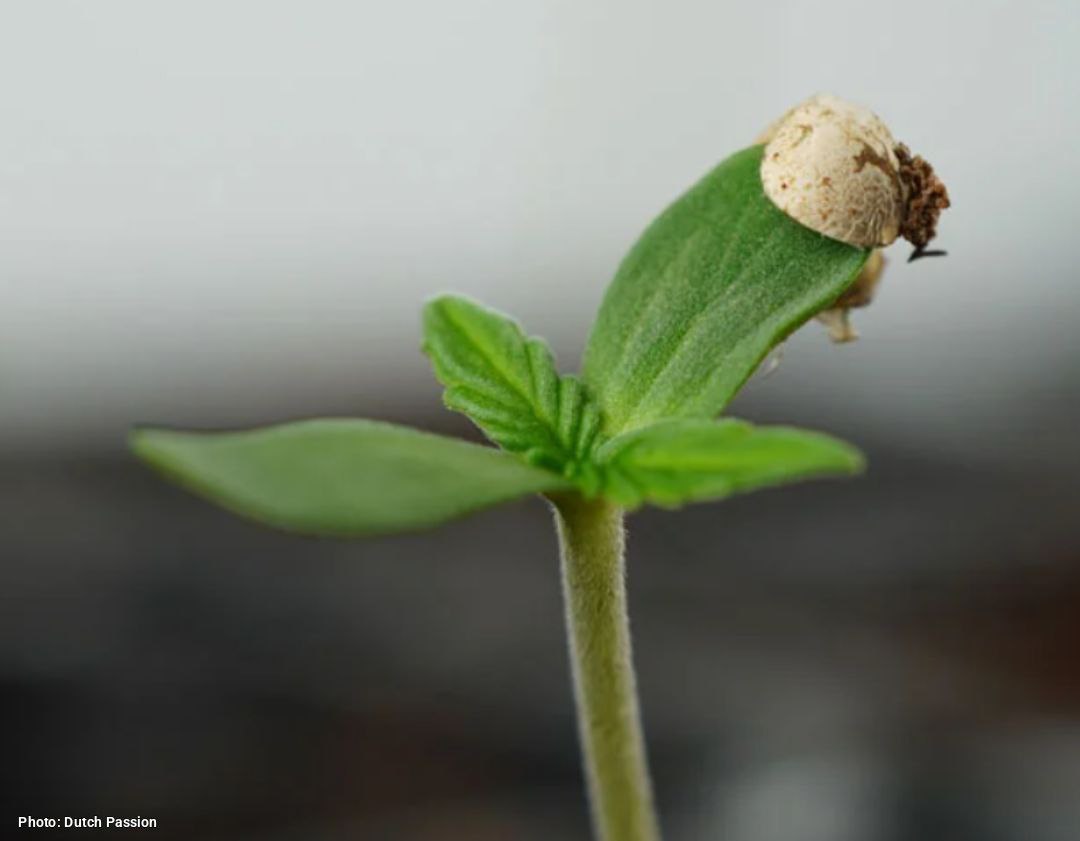






LOS ANGELES – A tucked-away clause in last month’s federal spending package has upended the rules for Cannabis seeds, thrusting the U.S. genetics sector into uncertainty and prompting warnings from cultivators that prized strains could vanish from legal channels.
The provision, embedded in H.R. 5371 and signed by Trump, redraws the line between hemp and Cannabis. It mandates that viable seeds from plants projected to yield more than 0.3% total THC, encompassing both delta-9 THC and its precursor THCA, fall outside the hemp category, rendering them controlled substances under federal law. This shift, effective November 13, 2026, after a one-year adjustment window, marks the sharpest curb on seed commerce since the 2018 Farm Bill legalized hemp derivatives.
That earlier legislation had opened doors by classifying any Cannabis material under 0.3% delta-9 THC as hemp, a stance the DEA solidified in 2022. The DEA’s letter at the time affirmed that seeds, tissue cultures, and other genetic stock with negligible THC levels qualified as non-controlled, regardless of the eventual plant’s potency. Breeders seized on this, building a vibrant market for strains tailored to medical needs or recreational tastes, shipped freely across state lines and borders.
Now, that framework crumbles. The new rules hinge on predictive testing, gauging a seed’s output before it sprouts – a process Sergio Martínez, founder of Spain-based Cannabis seed company, calls fundamentally flawed. “All seeds look identical until you cultivate them for at least three months,” he said in a recent interview to Guardian. Without viable pre-growth assays, he argues, the policy invites arbitrary enforcement, sidelining small operators while shielding conglomerates with deep testing budgets.
Critics dissect the measure’s broader ripple effects with a clear-eyed lens. On one hand, it addresses congressional intent from the 2018 bill, curbing intoxicating hemp offshoots like delta-8 that skirted delta-9 limits and drew youth-safety concerns, per Sen. Mitch McConnell, R-Ky., a key architect. Yet the seed stipulation, slipped into a 161-page omnibus without standalone debate, overlooks enforcement realities: Federal agents lack resources to vet every packet, potentially bloating an underground economy already valued in the hundreds of millions.
Data underscores the stakes. Hemp-derived products, including seeds, supported 400,000 jobs with genetics trade alone topping $2.2 billion by the end of 2025. A sudden clampdown risks 95% of that volume as interstate shipping grinds to a halt. Smaller breeders, often the engines of strain diversity, face closure; larger players might consolidate around compliant, low-THC lines, homogenizing offerings and dampening R&D.
Litigation brews as a counterweight. Trade associations vow court challenges to the provision’s breadth, citing overreach into non-intoxicating materials, while some spot narrow escapes [like unregulated tissue cultures] that could sustain cross-border flows. States with robust Cannabis programs, from California to Colorado, may buffer locals through intrastate exemptions, but federal mail bans could still strangle imports.
The path ahead demands measured steps. Congress should revisit this in the 2026 Farm Bill cycle, layering in science-backed testing protocols to preserve genetic heritage without inviting abuse. The sector’s resilience, forged through decades of patchwork rules, suggests adaptation is possible, but at what cost to innovation and access? For now, breeders stockpile and strategize, guarding the seeds of tomorrow’s market.
About the Author: HCN News Team

Related Posts