Explosion at New Jersey Extraction Facility Highlights Ongoing Safety Risks in Cannabis Processing
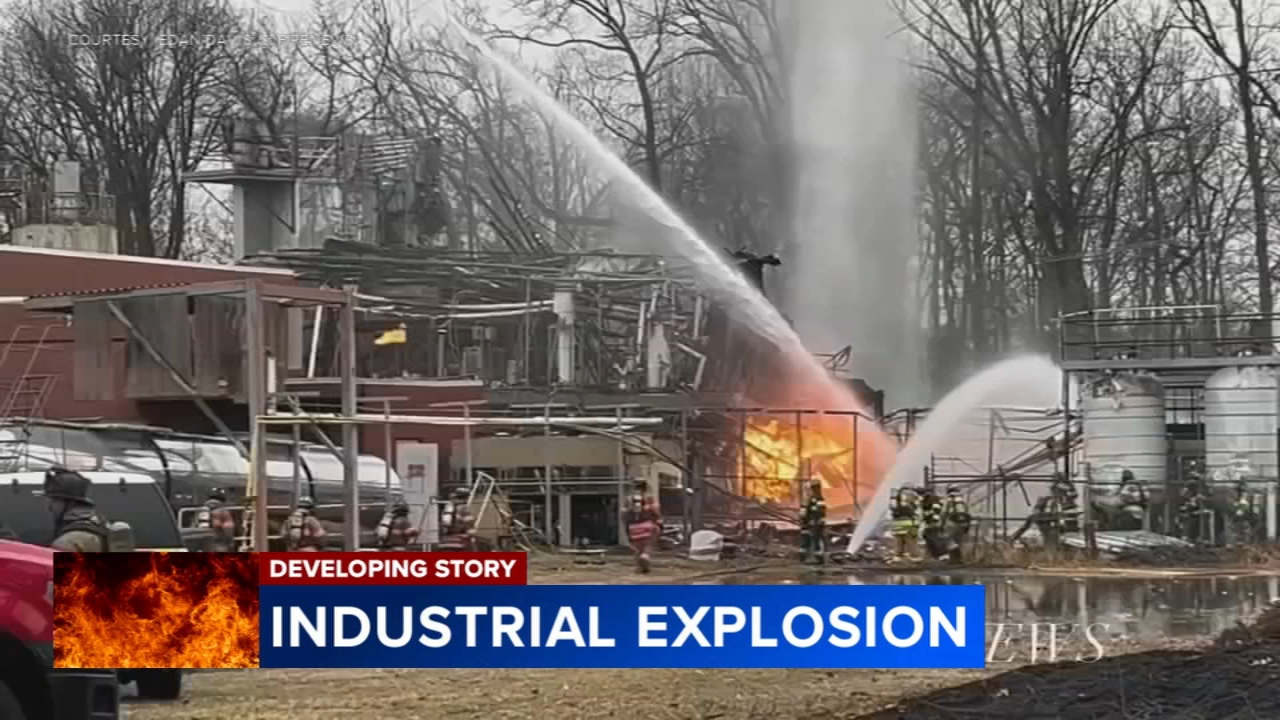






NEW JERSEY–A powerful explosion at an extraction facility in Logan Township, New Jersey on March 4 has left several workers seriously injured and reignited discussion around safety risks in solvent-based Cannabis processing.
The blast occurred at the Savita Naturals facility, an industrial plant that produces botanical oils using hydrocarbon extraction systems. According to reporting from The Sun, the explosion took place between 2:30 p.m. and 2:36 p.m. local time, causing extensive structural damage and partially collapsing sections of the building.

Emergency services rushed to the scene after reports of a massive boom that residents across the region could feel.
“At least four workers were hospitalized with serious injuries,” The Sun reported, with several suffering burn and trauma injuries following the explosion. Victims were transported to nearby hospitals as firefighters worked to secure the damaged structure.
Authorities quickly issued a shelter-in-place order covering a two-mile radius around the facility while emergency crews assessed potential chemical hazards and fire risks. Hazmat teams monitored air quality and surrounding conditions for several hours.
The precautionary order was lifted later once officials determined that no airborne chemical threats were present, according to the report.
The blast was powerful enough that residents well outside the immediate area reported feeling the shockwave. Witnesses across New Jersey, Delaware, and Pennsylvania described buildings shaking and hearing a loud explosion that echoed across the region.
Firefighters and emergency crews remained on scene for hours as investigators began examining the cause of the incident.
Officials have not yet determined what triggered the blast. However, the facility stores and uses large quantities of propane as part of its extraction process—an industrial method commonly used in the Cannabis and botanical oil sectors.
Why extraction facilities sometimes explode
Hydrocarbon extraction is one of the most widely used methods for producing Cannabis concentrates and plant oils. The process involves circulating pressurized solvents such as propane or butane through plant material to extract cannabinoids, terpenes, and other compounds.
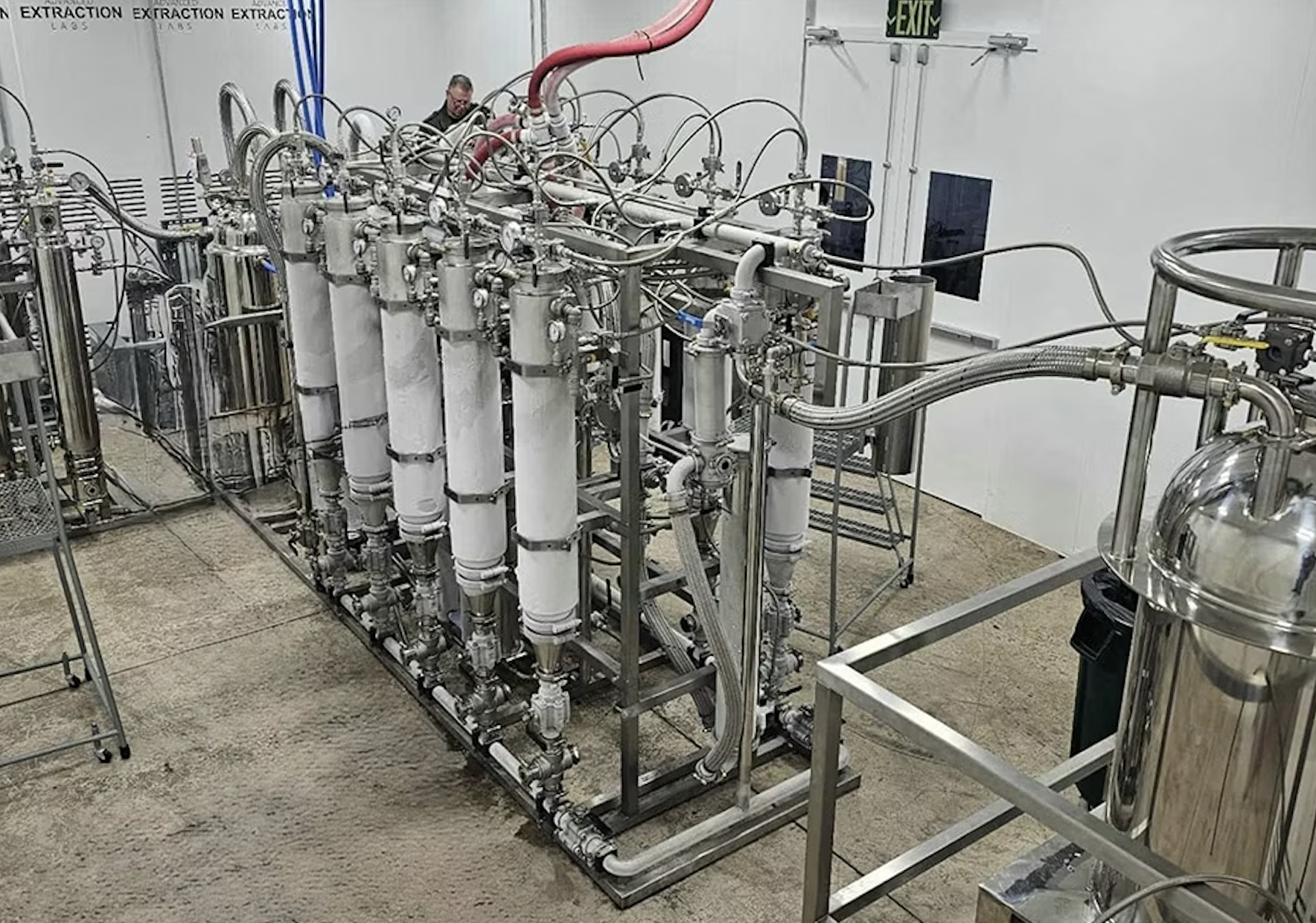
These solvents are highly efficient for producing concentrates but they are also extremely flammable.
In a properly engineered system, the gases remain inside sealed, closed-loop equipment designed to prevent leaks. Facilities operating legally must typically meet strict building codes, including:
• Explosion-rated electrical systems
• Continuous gas monitoring sensors
• Industrial ventilation systems
• Pressure-rated extraction vessels
• Fire suppression and safety controls
Explosions occur when those controls fail or when gas escapes and accumulates in the air. Hydrocarbon vapor is heavier than air, meaning it can pool near floors or in enclosed spaces. If the gas concentration reaches the right level, a small ignition source—such as static electricity, a spark from equipment, or non-rated electrical hardware—can trigger a powerful blast.
How common are extraction explosions?
In the early days of the concentrate market, explosions were relatively common in illicit “open-blast” extraction operations, where butane was released into uncontrolled environments such as garages or apartments.
Legalization and regulatory oversight have significantly reduced these incidents.
Licensed extraction facilities today operate under strict fire codes and engineering requirements, and thousands of systems operate safely across North America.
Still, accidents continue to occur occasionally.
Industrial extraction environments involve pressurized gases, complex piping systems, pumps, and high-volume solvent storage, all of which require rigorous maintenance and trained operators.
When failures occur—whether from equipment fatigue, maintenance lapses, human error, or system design flaws—the result can be catastrophic.
The Logan Township explosion serves as another reminder that the Cannabis processing sector is increasingly operating at industrial scale, where safety standards comparable to chemical manufacturing and pharmaceutical production are essential.
As investigators continue examining the New Jersey incident, the industry will be watching closely for answers about what went wrong—and what lessons can be learned to prevent similar accidents in the future.
About the Author: HCN News Team

Related Posts