Conservative Think Tank Advocates Federal Cannabis Labeling Standards to Address State Disparities
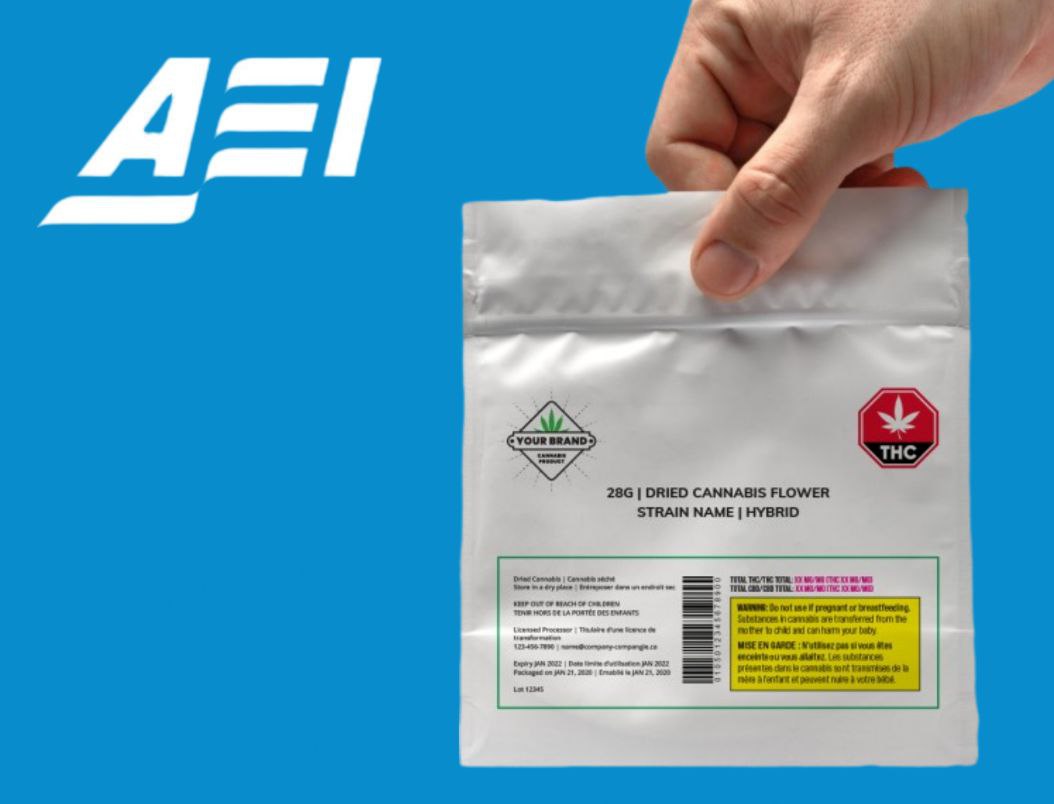






WASHINGTON – A prominent conservative policy group has called for federal guidance on Cannabis product warnings, pointing to stark differences in state regulations that leave consumers with inconsistent information on health risks.
The American Enterprise Institute (AEI), in a report released last month, analyzed labeling requirements across states where recreational Cannabis is legal and found that most fall short of established public health benchmarks. Authored by Howard Husock, a senior fellow in Domestic Policies at the AEI, the study compares state mandates against a list of 12 key warnings recommended by the National Institutes of Health, including risks to lung health, mental well-being, and driving ability. No state meets all 12 criteria, with California and Nevada topping the list at seven each, while nine others [like Connecticut and New Jersey] require only basics like child safety and pregnancy cautions.
This patchwork creates challenges for MSOs, who must redesign packaging for each jurisdiction, driving up costs estimated in the millions annually for larger firms, according to industry estimates. Smaller producers, meanwhile, risk non-compliance fines that vary wildly. California’s penalties can reach $30,000 per violation, compared to Oregon’s more lenient $500 starting point. The report likens the situation to pre-Prohibition alcohol rules, where state-by-state chaos hindered safe commerce.
Husock argues that federal involvement could streamline these issues without overhauling prohibition. He proposes that agencies like the Surgeon General, Centers for Disease Control, or Consumer Product Safety Commission develop model labels and graphics [think bold icons for psychosis risks or delayed effects, similar to cigarette packs] after consulting health experts. Such steps, he writes, would promote uniformity while underscoring Cannabis’s hazards, potentially curbing youth uptake without stifling adult access.
Critics in the sector, however, see risks in top-down rules. A June analysis by MJBizDaily noted that rigid potency disclosures could confuse casual buyers, favoring brands with marketing muscle over educational clarity. An October 2024 study in the American Journal of Public Health mentioned the AEI’s findings on gaps and urged states to lead on tailored warnings, given local usage patterns – urban New Yorkers face different impairment issues than rural Montanans. Federal models might help, but enforcement would still rely on states, raising questions about buy-in.
For businesses, the appeal is clear. Standardized labels could cut redesign expenses by 20% to 30%, easing expansion in a market projected to hit $45 billion in sales next year. Yet implementation depends on political will. With a new administration eyeing deregulation, groups like AEI [traditionally skeptical of federal overreach] frame this as targeted intervention, not expansion.
Highly Capitalized Network-HCN observes the AEI blueprint as a pragmatic bridge in a divided regulatory arena. It balances consumer protection with operational efficiency, offering a path forward that respects state autonomy while nudging toward evidence-based consistency. Whether agencies act remains the open question, but the conversation has gained fresh momentum.
About the Author: HCN News Team

Related Posts