Colorado Lawmakers Weigh Options for Cannabis Tax Bump







DENVER – Colorado legislators have introduced a bill that would put a small increase in Cannabis taxes before voters this November, aiming to generate funds for mental health programs even as the state’s Cannabis market faces ongoing revenue drops.
House Bill 26-1301, sponsored by Democratic Representatives Judy Amabile and Bob Marshall, calls for raising both the state retail Cannabis sales tax and excise tax by 0.42 percentage points each, from the current 15% rates. If approved, the measure could add roughly $10 million annually to state coffers, with proceeds directed toward building and operating a new mental health hospital in Aurora and supporting long-term civil commitment facilities in Mesa County.
The proposal comes at a time when Colorado’s Cannabis industry is grappling with its fourth consecutive year of declining sales. Dispensaries recorded about $1.1 billion in revenue through October 2025, down from $1.4 billion in 2024 and well below the 2021 peak of over $2 billion. State tax collections from Cannabis have fallen 45% from their high of $424 million in fiscal year 2020-21 to $231 million in 2024-25, driven by competition from newly legal markets in other states, falling wholesale prices, and the growing availability of intoxicating hemp products.
Industry representatives have voiced strong opposition, arguing that higher taxes could exacerbate the slump. Analysts, however, point out that while the increase is modest [adding pennies to most transactions] it arrives amid broader uncertainties. Federal rescheduling of Cannabis to Schedule III, directed by President Donald Trump last year, could eventually allow Cannabis businesses to deduct expenses on federal taxes, potentially saving the industry billions nationwide and easing financial pressures in Colorado. However, that change remains pending, and state-level adjustments like the proposed tax shift highlight ongoing tensions between revenue needs and market stability.
State officials project that Cannabis tax revenue will stabilize or slightly rebound in the coming years, but persistent price compression [retail bud rates dropped to $648 per pound in early 2026] suggests challenges ahead. The bill also includes alcohol tax increases, framing the effort as a balanced approach to funding public health priorities.
If voters reject the measure, lawmakers may revisit Cannabis tax structures, which some critics say are outdated since legalization in 2012. For now, the proposal underscores Colorado’s effort to balance fiscal demands with an industry still adjusting to national shifts.
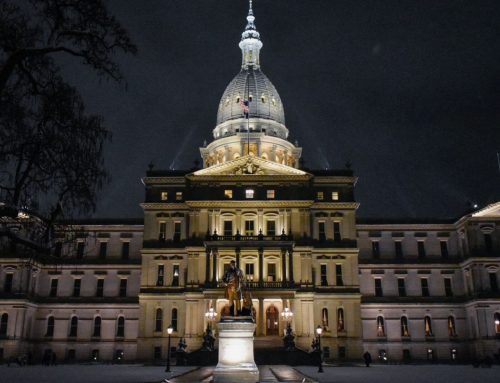
Image: Justin Sullivan/Getty Images/Colorado State’s metal emblem courtesy of Anderson Design Group
About the Author: HCN News Team

Related Posts