Chicago City Council Sets Intoxicating Hemp Products Off Limits, Beverages Still in The Game






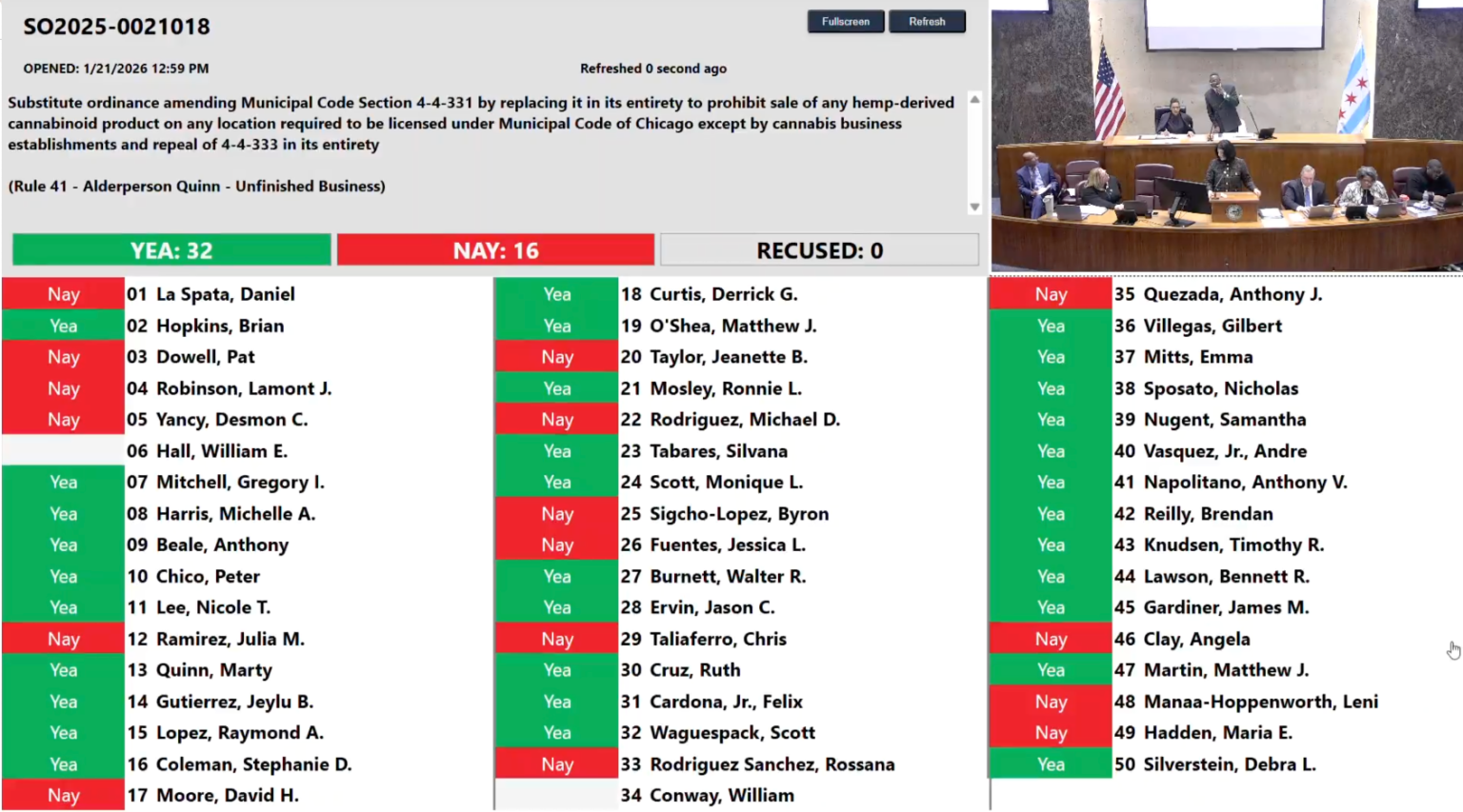
CHICAGO – The City Council voted 32-16 to restrict sales of most intoxicating hemp-derived products across the city, carving out an allowance for THC-infused beverages while imposing immediate curbs on purchases by minors. The measure, effective in full by April 1, targets edibles, flower, vapes, and similar items, aiming to close a regulatory gap that has allowed unchecked distribution in corner stores and smoke shops.
Alderman Marty Quinn, who led the push, described the products as exploiting a federal loophole from the 2018 Farm Bill, one that has flooded shelves with items critics say mimic candy to draw in young buyers. “These aren’t harmless novelties,” Quinn said during debate, pointing to packaging that often evades age checks. The ordinance sets fines up to $5,000 for violations and requires seizures of noncompliant goods, with a 10-day rollout for the under-21 sales prohibition.
Exemptions extend to topicals and ointments, pet treats, and non-intoxicating CBD options, alongside hemp-derived THC beverages served only at venues with liquor licenses. Those drinks must carry warning labels, QR codes linking to lab tests, and caps at 10 milligrams of THC per serving; no marketing that could appeal to children. Licensed Cannabis dispensaries may also offer hemp additives and powders to adults over 21 – a nod to the state’s regulated Cannabis framework.
Opposition came from aldermen like Maria Hadden and Rossana Rodriguez-Sanchez, who argued the ban overlooks small operators [many minority-led and barred from Cannabis licensing] potentially driving sales underground without bolstering child safety. “This doesn’t regulate; it erases livelihoods,” Hadden said, estimating hundreds of jobs at risk in a sector that has buoyed post-pandemic recovery for bars and lounges. Sidelined independent retailers warned of imminent layoffs, calling the rules “economic favoritism” that shields breweries and restaurants.
Mayor Brandon Johnson, whose administration favors taxation and testing over outright prohibition, has signaled a possible veto. “We must safeguard small businesses while ensuring product safety,” Johnson stated, highlighting hemp’s role in equitable economic access. His decision could come within weeks, testing the council’s override threshold of 41 votes.
The move aligns Chicago with a federal timeline: Congress eyes closing the hemp THC loophole by late 2025, though delays could stretch that to 2028. For the hemp trade, now valued at millions locally, the ordinance underscores a shift from unchecked growth to segmented compliance; beverages and topicals may thrive in hospitality niches, but broader retail faces contraction.
Zooming out, this episode reveals the friction between public health imperatives and market realities. Bans like Chicago’s may curb immediate risks, yet they risk fragmenting an industry primed for consolidation under clearer rules. Stakeholders should watch Johnson’s pen; a veto could reopen talks on measured oversight, preserving innovation without the wholesale fallout.
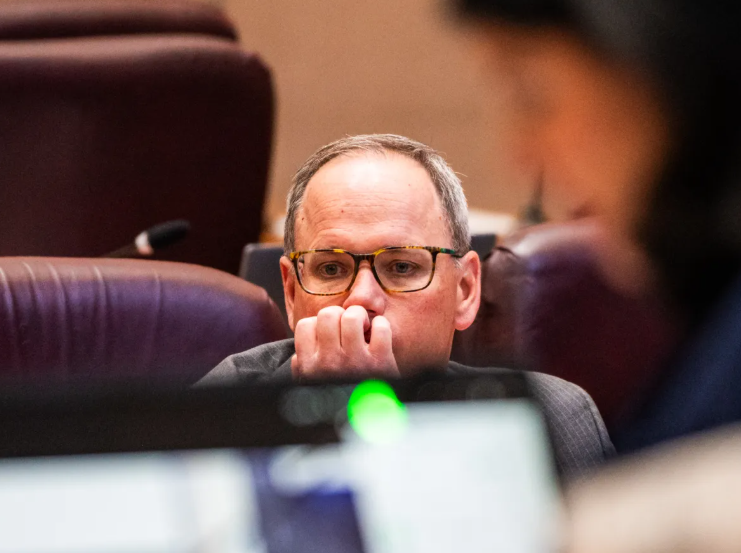
Photo: Ald. Marty Quinn
Credit: Colin Boyle/Block Club Chicago
About the Author: HCN News Team

Related Posts