Bipartisan Poll Signals Growing Momentum for Federal Legalization
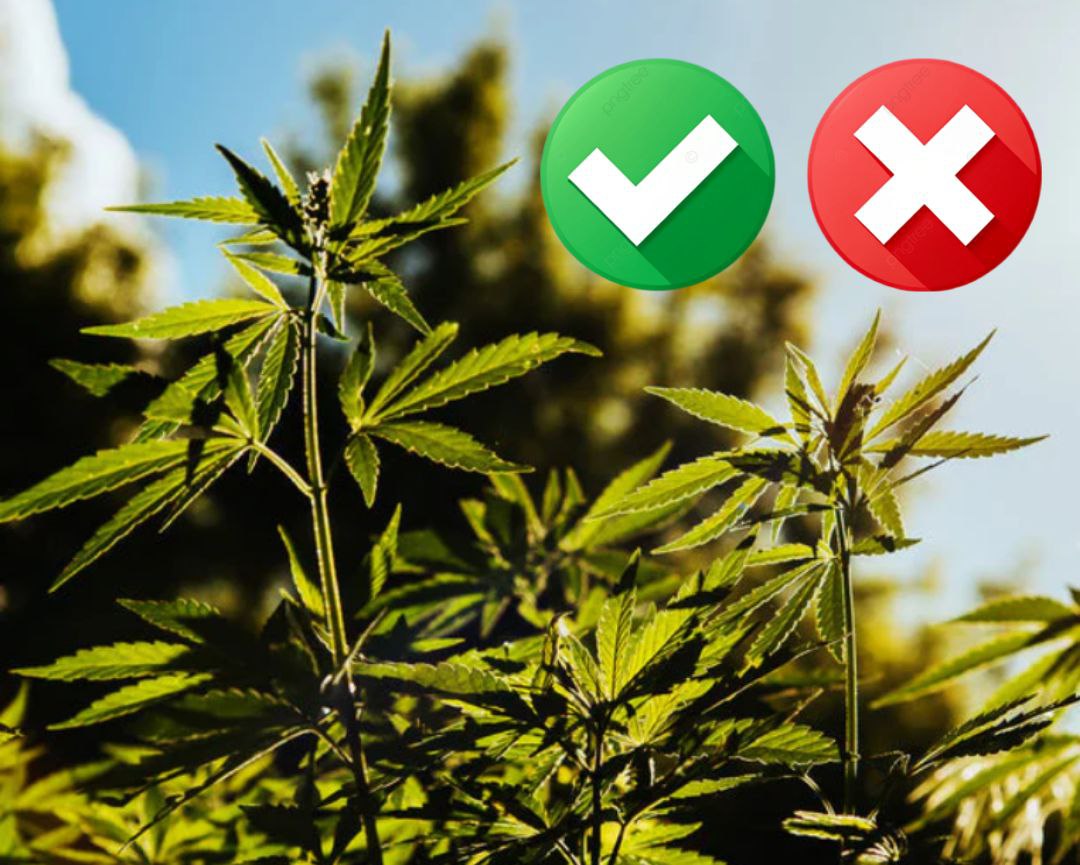






LOS ANGELES – A fresh survey of registered voters reveals that a slim majority of Americans now favor legalizing Cannabis at the federal level, with notable crossover appeal among Republicans following President Donald Trump’s recent directive to ease restrictions.
The JL Partners poll, conducted among 1,000 respondents and commissioned by The Daily Mail, recorded 53% overall support for ending federal prohibition. That figure breaks down to 62% among Democrats and 51% among Republicans, a marked uptick for the latter group from earlier this year. For context, a Gallup survey in November pegged Republican backing at just 40%, suggesting the administration’s rescheduling move may have nudged conservative opinion in a more permissive direction. Support also skewed higher among men [58%] and those aged 30 to 49 [61%], though it cleared 50% across all major demographic slices.
Trump’s Executive Order, issued December 18, instructs federal agencies to reschedule Cannabis under the Controlled Substances Act, acknowledging its accepted medical applications. The change would unlock tax deductions for licensed businesses, streamline clinical research and potentially broaden insurance coverage for therapeutic uses, without fully decriminalizing recreational sales. Administration officials have stressed that this step addresses long-standing inequities in enforcement while preserving safeguards against abuse. A separate YouGov poll echoed broad agreement on medical benefits, with 76% of voters, including 73% of Republicans, affirming Cannabis’s legitimate health role.
This federal thaw arrives as statehouses gear up for their own policy battles in 2026, where analysts anticipate breakthroughs in several holdouts. Florida tops the list, buoyed by a ballot initiative that has already secured more than a million signatures for a November vote on adult-use sales; the measure flopped in 2024 but benefits from dialed-back resistance this time around.
Pennsylvania’s bipartisan talks in the legislature, driven by Governor Josh Shapiro’s emphasis on revenue and justice reform, position it for statutory approval, potentially funneling billions in taxes to schools and infrastructure lost to cross-border shopping.
Other contenders include New Hampshire, where polls show over 60% voter approval and pre-filed bills aim for a constitutional tweak; West Virginia, eyeing a voter amendment on home cultivation; and Hawaii, whose Senate-passed reforms now test House resolve. Virginia could finally flip the switch on retail dispensaries after years of possession-only rules, while North Carolina weighs medical expansions amid tribal market successes.
These developments underscore a pragmatic recalibration in Cannabis policy, where federal signals and state experiments increasingly align with voter priorities. For businesses eyeing the sector, the data points to stable demand and fiscal upside: legalized markets have generated over $24 billion in cumulative tax revenue since 2014, with rescheduling poised to shave compliance costs by up to 20% in the near term.
Wrapping up, the takeaway here is straightforward: investors would be wise to closely monitor Republican-led states like Pennsylvania and Florida. With partisan support converging and regulatory hurdles receding, 2026 could mark the point where Cannabis transitions from fringe opportunity to core portfolio holding, provided lawmakers deliver on the momentum.
About the Author: HCN News Team

Related Posts