As November Looms, the Intoxicating Hemp Industry Carries On — Calmly, Confidently, and Perhaps Optimistically







NEW YORK – Across the United States, the intoxicating hemp sector is behaving as though November 2026 is just another month on the calendar — not a potential regulatory cliff.
That’s when new federal restrictions, embedded in last year’s government funding legislation, are scheduled to take effect. The measure tightens the legal definition of hemp by limiting total THC in finished products to no more than 0.4 milligrams per container, closing what lawmakers have called the 2018 Farm Bill “hemp loophole.” The clock is now ticking down to November 26, when the law finally takes hold.

You can review the Congressional analysis of the provision here:
👉 https://www.congress.gov/crs-product/IN12620
The rule is designed to capture not only delta-9 THC but also other intoxicating cannabinoids, including lab-manipulated variants that have fueled the explosive growth of hemp-derived THC beverages, gummies, and vapes sold in gas stations and convenience stores nationwide.
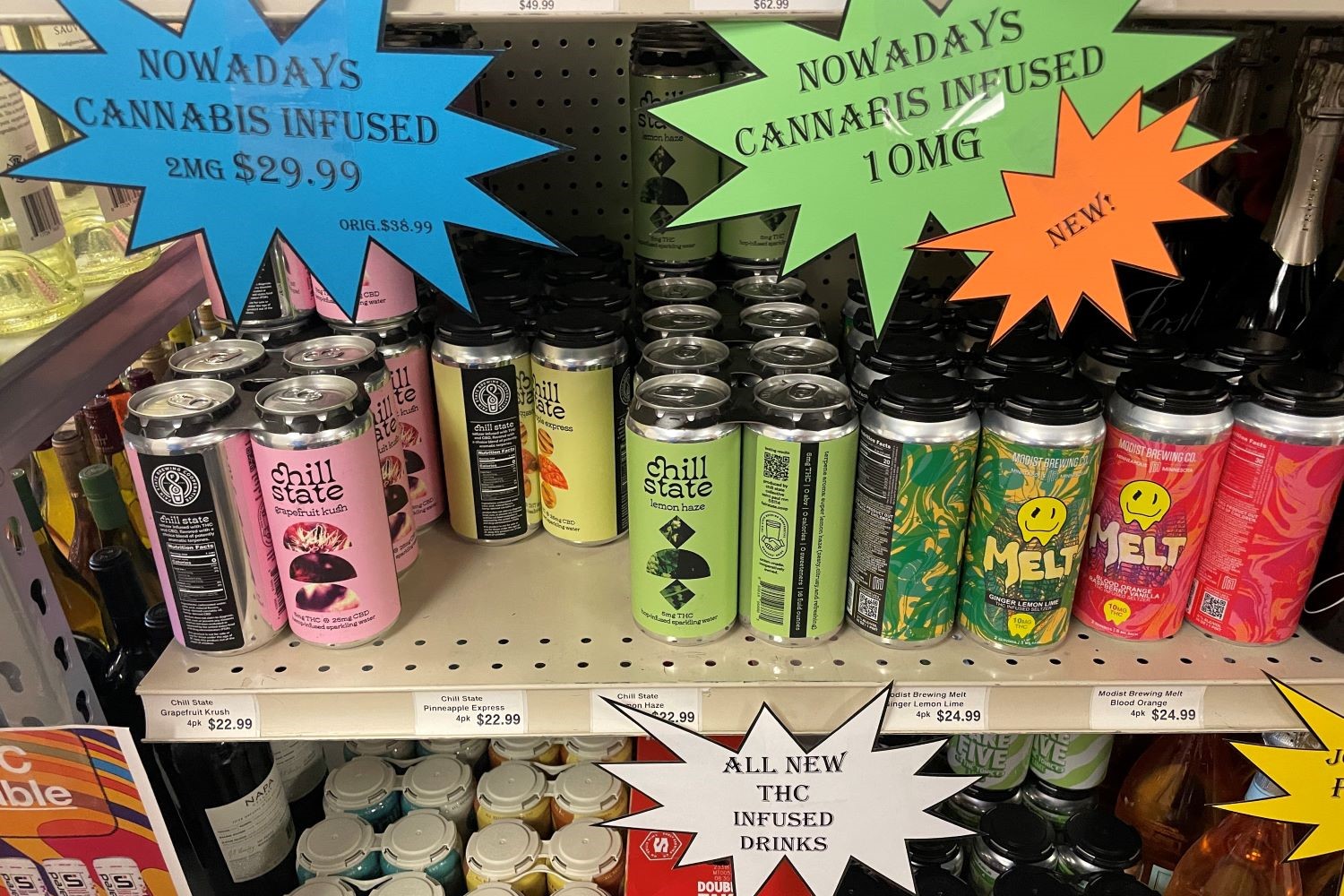
And yet, if you walk into a convenience store today, you would not know a reckoning is scheduled. Some people might even say the intoxicating hemp industry has their head in the sand, ignoring the looming issue.
Retail expansion continues. Beverage brands are launching nationally. Capital is still flowing into hemp-derived THC drink companies. Trade publications covering the convenience channel openly discuss strategies to preserve the category:
👉 https://www.convenience.org/Media/Daily/2026/February/16/1-Fight-to-Keep-Hemp-Derived-THC-in-C-Stores_GR
In other words, nobody appears to be packing up inventory.
Why the confidence?
Part of it is regulatory ambiguity. The legislation directed the FDA to publish detailed lists of cannabinoids that would be considered intoxicating or excluded from hemp status, along with a formal definition of what constitutes a “container.” That guidance has not yet been released. Industry reporting notes that the statutory deadline for clarification has passed without formal definitions being issued:
👉 https://businessofcannabis.com/us-hemp-industry-in-limbo-as-fda-deadline-for-cannabinoid-definitions-arrives/
Without that clarity, companies argue enforcement mechanics remain uncertain. And in Washington, uncertainty is often interpreted as opportunity.
Lobbying is intensifying. Bipartisan bills have been introduced to delay implementation until 2028 or to replace the restriction with a regulated framework that would include age gates, labeling standards, and potency caps rather than an outright elimination of the category. Industry associations, convenience store groups, and hemp producers are actively pressing their case:
👉 https://www.convenience.org/Media/Daily/2026/February/16/1-Fight-to-Keep-Hemp-Derived-THC-in-C-Stores_GR
The argument is straightforward: banning the category does not eliminate demand; it simply displaces it. A regulated model, proponents contend, would protect consumers while preserving economic activity.
Still, the contrast is striking. On one side, a November deadline that could render large portions of today’s product lineup noncompliant. On the other, a marketplace behaving as if a legislative reprieve is not just possible, but probable.
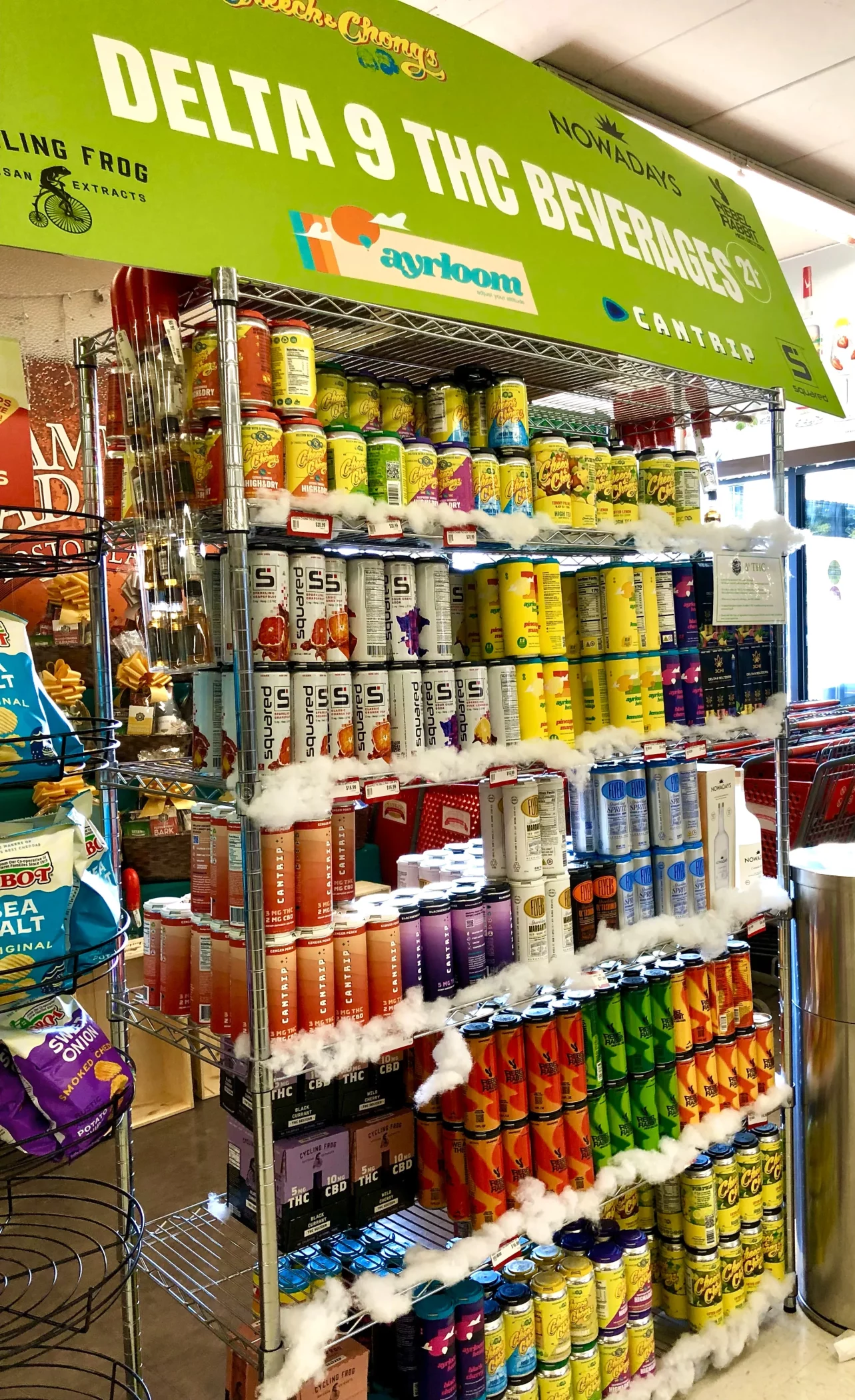
Some operators privately describe the moment as “wait and see.” Others are more candid: they are betting on a lobbying breakthrough. It would not be the first time a deadline shifted under political pressure.
For now, the intoxicating hemp sector remains in expansion mode — launching SKUs, entering new retail channels, and scaling distribution — all while the clock advances toward a rule that could fundamentally reshape the category.
Whether November becomes a hard stop or another chapter in the ongoing evolution of hemp regulation will depend on congressional maneuvering, FDA guidance, and political appetite in the months ahead.
Until then, the industry’s posture could be summarized as follows: stay stocked, stay optimistic, and assume Washington will blink.
If history is any guide, that assumption may not be entirely irrational.
About the Author: HCN News Team

Related Posts