Alabama Tightens Hemp Laws, Moves Medical Cannabis Licenses Forward






MONTGOMERY – Alabama regulators ushered in 2026 with a crackdown on unregulated hemp products containing THC, while inching closer to launching a long-delayed medical Cannabis program that could serve thousands of patients by spring.
The state’s new restrictions, outlined in House Bill 445, took effect on January 1 and classify the sale or possession of consumable hemp items as a Class C felony. Penalties include fines up to $15,000 and prison terms ranging from one to 10 years. Under the law, enforcement officers can now confiscate such goods without a warrant, and only licensed outlets may sell to those 21 and older. Edibles with Delta-9 THC face caps at 10 milligrams per serving and 40 milligrams per package, a direct response to the unchecked proliferation of high-potency items at convenience stores and gas stations.
These measures aim to close loopholes in the 2018 Farm Bill, which Alabama previously interpreted loosely. “We’ve seen products marketed as hemp but packing THC levels that rival street Cannabis, sold without age checks or quality controls,” said Morgan Fox, a spokesman for the National Organization for the Reform of Marijuana Laws (NORML). He pointed to the risks of inconsistent dosing and contamination in a market that ballooned to millions in sales last year.
At the same time, the Alabama Medical Cannabis Commission is finalizing its rollout of a program passed by the Alabama Legislature in May 2021. In December 2025, the panel greenlit licenses for three dispensary operators [each permitted to open three locations] for a total of nine sites statewide. A fourth dispensary license awaits approval in the coming weeks, and cultivators have already begun harvesting crops, with processed products expected to hit shelves soon. The commission has also issued permits for growers and manufacturers, and is now certifying doctors to recommend Cannabis for conditions like cancer, terminal diseases, sickle-cell anemia, chronic pain, PTSD, epilepsy, and multiple sclerosis.
The dual tracks highlight Alabama’s cautious navigation of Cannabis policy. On one hand, the hemp crackdown addresses immediate public health concerns from a loosely regulated sector. On the other, the medical framework promises a structured alternative for qualified users. Yet the program’s rocky path [marred by lawsuits, board resignations and repeated restarts] underscores the political friction in a state where recreational use remains off the table.
For the Cannabis sector, this phased approach signals opportunity tempered by oversight. As dispensaries gear up, investors eye Alabama’s 5.16 million residents and the potential for $200 million in annual medical sales, per early projections. But operators must tread carefully. The felony provisions serve as a stark reminder that straying from compliance invites swift enforcement. In a market where 40 states now permit medical programs, Alabama’s entry reinforces the trend toward regulated access, even if it arrives with guardrails firmly in place.
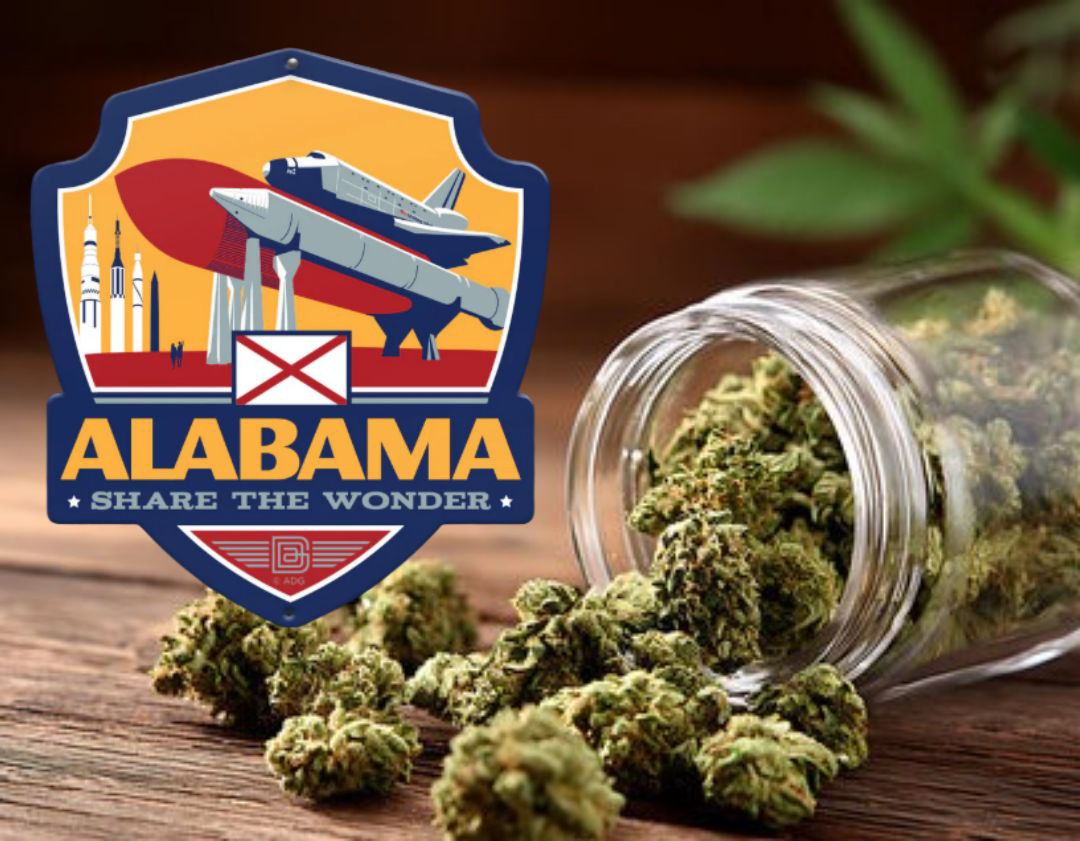
Photo: Getty Images/Alabama State’s emblem courtesy of Anderson Design Group
About the Author: HCN News Team

Related Posts