Virginia Cannabis Licenses Delayed Again After Spanberger Veto
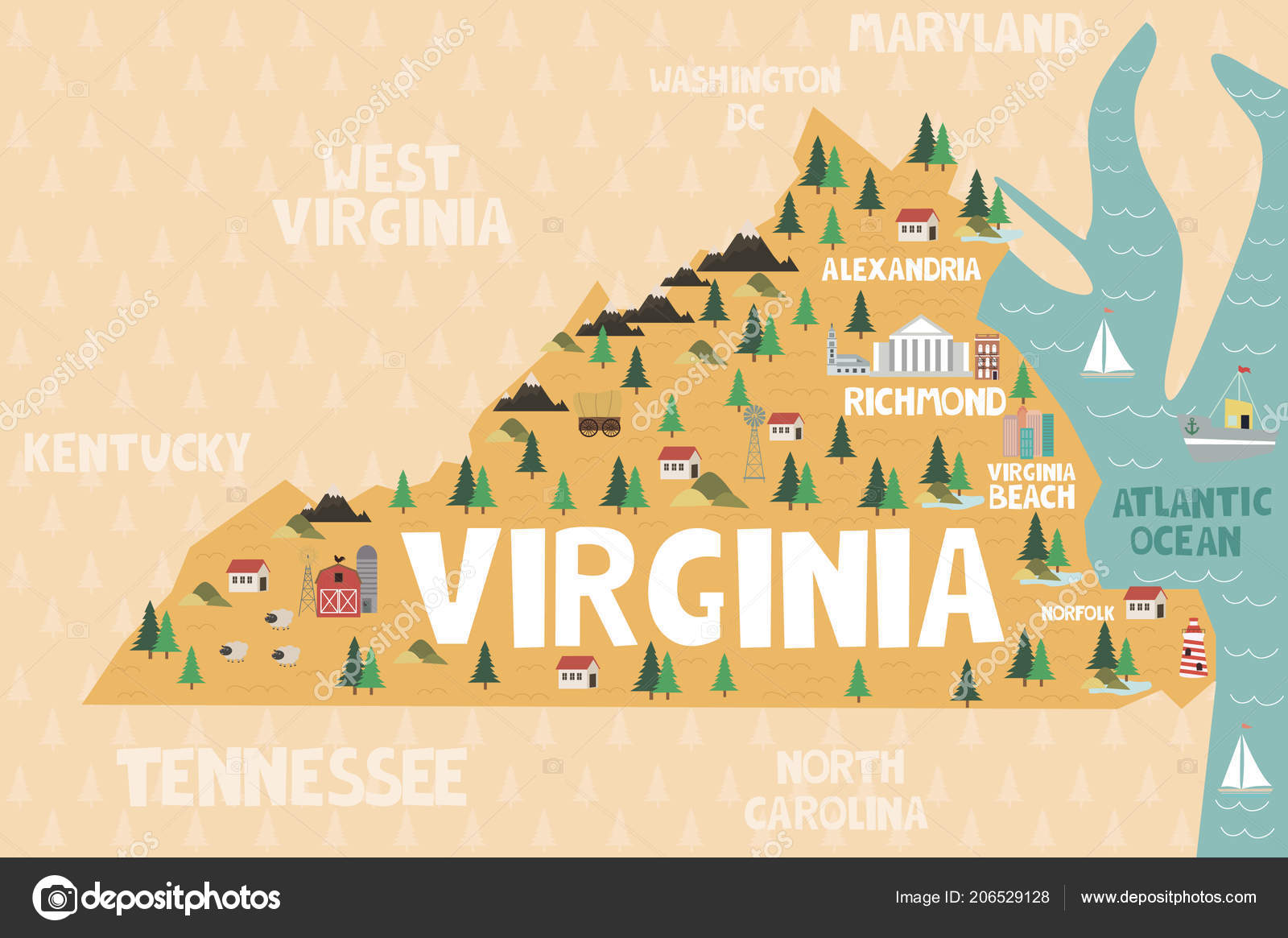






RICHMOND-Virginia’s long-delayed adult-use Cannabis market has suffered another major setback after Governor Abigail Spanberger vetoed legislation that would have created a regulated retail sales framework for the Commonwealth.
The veto means Virginia will remain in the unusual position of allowing adult possession and home cultivation while continuing to block a legal adult-use retail market. For prospective Cannabis license applicants, investors, operators, hemp businesses, social equity applicants and existing medical operators, the decision is deeply frustrating. It delays the licensing process, disrupts planning, and keeps Virginia’s commercial Cannabis future in political limbo.
The bill, SB542 and its companion framework, had been viewed by many in the industry as the clearest path yet toward a functioning adult-use market. Earlier this year, lawmakers advanced legislation that would have established license categories, tax rules, regulatory duties, and a launch timeline for adult-use retail sales, with the market expected to begin in 2027.
Instead, the veto has once again stalled Virginia’s transition from legalization on paper to legalization in practice.
A Legal State Without a Legal Market
Virginia legalized adult possession in 2021, becoming the first Southern state to do so. Adults may possess Cannabis and grow limited plants at home, but the state never completed the commercial framework needed to allow licensed adult-use retail stores. That gap has created a policy contradiction that has now lasted for years: Cannabis is legal to possess, but there is no regulated adult-use market where most consumers can legally buy it.
This has created a predictable outcome. Demand has not disappeared. It has simply moved through medical channels, informal gifting, hemp-derived products, unregulated sellers, and neighboring markets. For regulators, this is a public safety problem. For operators, it is a lost economic opportunity. For consumers, it means inconsistent access and limited protections.
The veto therefore does not eliminate the market. It only delays the state’s ability to regulate the market that already exists.

Virginia State Capitol
What the Veto Means for Cannabis Licenses
For would-be licensees, the immediate consequence is that the adult-use licensing runway is no longer active under the proposed 2026 framework. The legislation had contemplated a full supply chain of license categories, including cultivation, processing, transportation, delivery, retail, microbusiness, and testing licenses. It also included pathways for microbusiness applicants, impact applicants, certain hemp operators, and existing medical Cannabis pharmaceutical processors.
Those opportunities are now paused rather than open.
That distinction matters. The veto does not mean Virginia has abandoned adult-use Cannabis permanently. It means the specific licensing framework passed by the General Assembly did not survive the political process. Operators should not treat this as the end of the market. They should treat it as a reset.
The companies most likely to benefit when Virginia eventually moves forward will be the ones that use this delay to prepare. That means building compliant corporate structures, documenting capitalization, identifying real estate, studying zoning, preparing security plans, tracking local politics, and understanding which license category best fits their business model.
Virginia may not be issuing adult-use licenses today, but the eventual application process will not reward companies that start from zero when the window finally opens.
Why the Bill Failed
The failure of the bill appears to have been less about whether Virginia should ever have a regulated Cannabis market and more about what that market should look like.
Spanberger previously returned the legislation with amendments that would have changed the General Assembly’s proposal. Reports indicated that her substitute would have delayed the retail launch date, altered parts of the framework, and increased enforcement provisions. Lawmakers rejected those changes, leaving the governor with the choice to sign the bill, allow it to become law without her signature, or veto it. She chose the veto.
That is a serious setback, but it also clarifies the next fight. Virginia’s Cannabis debate is no longer simply about legalization. It is about market design, public safety, enforcement, timing, taxation, hemp integration, medical access, social equity, and the balance of power between the executive branch and the legislature.
Those are difficult issues, but they are not impossible issues. Other states have faced similar disputes before launching regulated markets.

Richmond, Virginia
Is There Still Hope for Virginia Cannabis?
Yes, there is still hope, but it should be understood realistically.
The first reason for hope is that public support remains strong. NORML reported today that 60% of registered Virginia voters support allowing adult-use marijuana products to be sold by licensed retailers. That level of support gives lawmakers a strong political foundation to return to the issue.
The second reason is that Virginia has already legalized adult possession. This is not a state debating whether Cannabis should exist legally at all. It is a state debating how to regulate sales. That is an important difference. Once possession is legal, the absence of a retail market becomes harder to defend over time because it leaves consumers without regulated access and leaves the state without tax revenue, testing standards, license oversight, or meaningful control over the supply chain.
The third reason is that the General Assembly has already done much of the legislative work. The proposed framework included detailed license categories, regulatory responsibilities, tax provisions, microbusiness concepts, hemp transition pathways, and medical operator conversion rules. Even though this version failed, the policy architecture can be revised and reintroduced.
The fourth reason is economic. Virginia is a large, strategically important market with proximity to Washington, D.C., Maryland, North Carolina, and the broader Mid-Atlantic region. A regulated adult-use market would create business opportunities across cultivation, retail, manufacturing, testing, compliance, real estate, security, professional services, events, media, and capital formation. The commercial logic for a licensed market has not disappeared.
What Prospective Operators Should Do Now
The worst response for prospective license applicants would be to stop preparing.
Virginia’s market is delayed, not irrelevant. Operators who want to compete should use this period to strengthen their position. That includes building a credible business plan, securing advisory support, identifying municipalities that may be open to Cannabis businesses, developing community benefit narratives, preparing compliance documentation, and monitoring the next legislative session closely.
Real estate will be especially important. In every limited-license Cannabis market, zoning and local approval often become as important as state licensing. A company that understands local setbacks, community concerns, municipal politics, and site control will have an advantage when applications eventually open.
Capital readiness will also matter. If Virginia revives a framework with conversion fees, license fees, social equity funding, microbusiness pathways, or phased market entry, applicants will need to show that they are financially prepared. That does not always mean having the most money. It means having the right structure, credible backing, disciplined budgets, and a clear path to operational readiness.
Hemp operators should also stay alert. Earlier versions of the framework included a potential pathway for certain industrial hemp businesses, but that pathway was narrow and compliance-driven. If a future bill revisits hemp integration, operators with clean records, documentation, and a strong regulatory posture will be better positioned than those waiting for clarity.
Medical Cannabis Operators May Remain Central
Existing medical Cannabis operators are likely to remain important in any future Virginia adult-use framework. Previous versions of the legislation contemplated dual-use privileges for pharmaceutical processors, including requirements to preserve medical patient access and pay significant conversion fees. That structure reflects a common pattern in emerging adult-use markets. States often lean on existing medical infrastructure because those operators already have regulated facilities, compliance systems, inventory controls, and experience with state oversight. However, this can create tension with new entrants, equity applicants, hemp businesses, and independent retailers who fear that incumbent operators may receive too much early advantage.
Virginia will need to solve that tension if it wants a market that is both stable and competitive.
The Market Can Still Get Back on Track
Virginia’s Cannabis market can get back on track, but it will require political discipline and a more durable compromise.
The next viable bill will likely need to address several pressure points at once. It will need a clear launch date, a licensing structure that gives new entrants a real opportunity, a medical access protection plan, a rational hemp transition policy, strong testing and safety rules, fair taxation, and enforcement provisions that do not recreate prohibition through excessive penalties.
That is not easy, but it is achievable.
The hopeful view is that today’s veto may force a cleaner, more deliberate negotiation. The pessimistic view is that Virginia has once again missed its moment. The practical view is somewhere in the middle: the market has been delayed, but the underlying demand, voter support, legislative groundwork, and economic opportunity remain.
For Cannabis operators, the message is simple. Do not assume Virginia is dead. Assume Virginia is delayed, politically complicated, and still worth watching closely.
The Commonwealth has already taken the first step by legalizing adult possession. The next step is building the regulated marketplace that consumers, patients, entrepreneurs, communities, and public safety officials all need.
Virginia’s Cannabis licensing opportunity is not gone. It is waiting for the state to finally finish the job.
About the Author: HCN News Team

Related Posts