BREAKING: Colorado Passes Landmark Ibogaine Research Bill, Expanding the State’s Natural Medicine Framework






DENVER- Colorado has taken another major step in the evolution of regulated psychedelic medicine.
The Colorado legislature has passed House Bill 26-1325, a landmark measure that establishes an ibogaine research pilot program within the state’s Behavioral Health Administration. The bill authorizes up to five research sites to study the safety and effectiveness of ibogaine for mental health conditions and substance use disorders, while creating a dedicated funding mechanism to support the program.
For Colorado, this is not an isolated policy move. It builds directly on the state’s broader natural medicine framework, which began with voter approval of the Natural Medicine Health Act and has positioned Colorado as one of the most closely watched states in the country for psychedelic policy, clinical access, and regulated care.
The passage of HB26-1325 also reflects a larger national shift. Psychedelic medicine is moving out of the margins and into the same policy conversation that once surrounded medical cannabis: how to create safe access, how to regulate emerging therapies, how to protect patients, and how to build a system that can support clinical research without losing sight of culture, ethics, and community benefit.

Why Ibogaine Matters
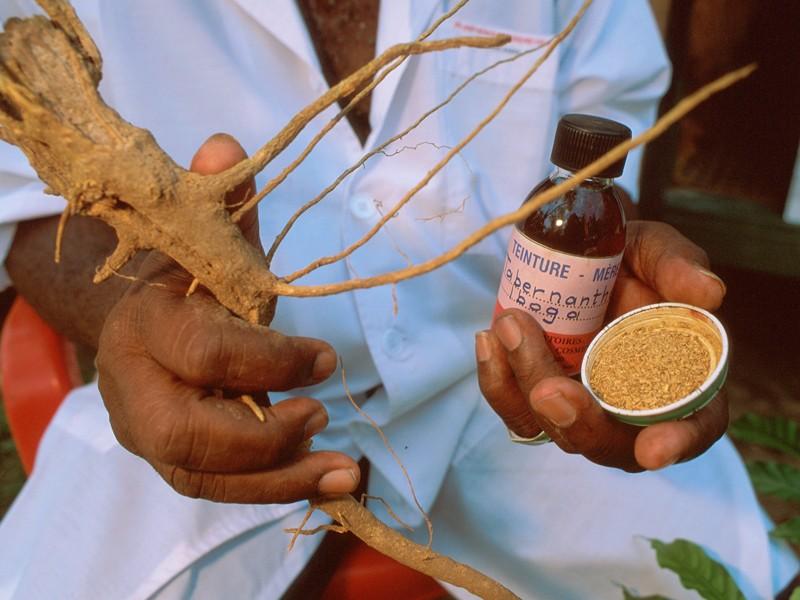
Ibogaine is a naturally occurring psychoactive compound derived from iboga, a plant with deep traditional use in Central Africa. In recent years, it has drawn growing attention for its potential role in treating substance use disorders, trauma, and other behavioral health conditions.
Supporters of ibogaine research argue that the compound may offer a new pathway for patients who have not been helped by existing treatment models. At the same time, ibogaine is not a simple wellness product. It carries serious medical risks, particularly cardiac risks, and any responsible framework must include screening, medical oversight, and clinical-grade safety protocols.
That is what makes Colorado’s bill significant. Rather than creating broad commercial access, HB26-1325 is structured around research, medical oversight, federal coordination, and site selection. The state is not simply opening the door. It is attempting to build a controlled pathway.
A Research-First Framework
Under the bill, Colorado’s Behavioral Health Administration will establish an ibogaine research pilot program and create a committee to review applications from potential pilot sites. The BHA may select up to five qualified sites to participate. The legislation also creates an ibogaine research pilot program cash fund, allowing the state to seek and accept gifts, grants, and donations to support administration of the program and help finance selected sites. The framework includes several key elements:
- Medical oversight and safety protocols, including cardiac screening and monitoring.
- A formal application and review process for pilot sites.
- Coordination with federal pathways, including the FDA investigational new drug process.
- Rulemaking authority related to the administration, manufacturing, and use of ibogaine.
- Benefit-sharing requirements connected to Indigenous communities traditionally associated with iboga and ibogaine practices.
That last provision is especially important. As psychedelics move toward mainstream clinical and commercial systems, questions of cultural origin, Indigenous knowledge, and benefit-sharing are becoming central to the legitimacy of the industry. Colorado’s bill recognizes that psychedelic policy cannot be built only around patients, providers, and investors. It must also address the communities and traditions from which these medicines emerged.
Joshua Kappel and the Colorado Model
Joshua Kappel, founding partner at Vicente LLP, has been one of the key legal and policy figures behind Colorado’s natural medicine movement. Kappel was involved in the drafting of Colorado’s Natural Medicine Health Act and has continued to play a prominent role in shaping the state’s approach to ibogaine and psychedelic policy.
“Ibogaine is one of the most promising medicines we have to treat our worsening mental health crisis,” Kappel said in a statement. “This bill is a substantial step forward in creating safe access to Ibogaine care in Colorado and the United States.”
Kappel’s role reflects a familiar pattern in emerging regulated industries. As with cannabis, the early stages of psychedelic policy are being shaped by a mix of advocates, attorneys, researchers, clinicians, veterans’ groups, entrepreneurs, and state regulators. The challenge is to move quickly enough to address urgent public health needs, while moving carefully enough to avoid creating unsafe or poorly regulated access.
The Cannabis Parallel
For the cannabis industry, Colorado’s ibogaine bill should feel familiar.
Colorado was one of the first states to demonstrate that a prohibited substance could be brought into a regulated system with licensing, oversight, compliance, taxation, and public accountability. That model was never perfect, but it changed the national conversation. Cannabis moved from criminalization to medical use, then adult-use legalization, and eventually into a more sophisticated debate around health, science, product quality, social equity, and interstate commerce.
Psychedelics are now entering a similar phase, but with important differences.
Cannabis became mainstream largely through consumer markets, medical programs, and state-level legalization. Psychedelic medicine is moving more directly through clinical frameworks, supervised care, therapy models, research pilots, and federal coordination. The path is likely to be slower, more medicalized, and more tightly controlled.
That is why HB26-1325 matters. It shows how states may build bridges between prohibition and clinical access without jumping immediately into a broad commercial market. For investors, operators, clinicians, and policy leaders, this is the type of framework that may define the next decade of natural medicine.
Federal Coordination and the Next Phase
One of the most important features of the Colorado bill is its attention to federal coordination. The legislation contemplates the BHA assisting pilot sites through the FDA’s investigational new drug process, creating a pathway that could align state innovation with federal research standards.
That matters because ibogaine remains federally controlled, and any serious research program must navigate federal law, clinical protocols, drug supply, safety monitoring, and data collection. Colorado’s model may give the state a stronger position to receive future federal support, including grant funding connected to emerging federal interest in psychedelic treatments.
The bill is expected to take effect on August 12, 2026, assuming the remaining procedural steps are completed and no further legal obstacles arise.

A New Chapter for Regulated Natural Medicine
Colorado’s passage of HB26-1325 does not mean ibogaine treatment will suddenly become widely available. It means the state is creating a structured research pathway to answer hard questions about safety, efficacy, access, ethics, and regulation.
That is exactly where the conversation needs to be.
The United States is facing overlapping crises in mental health, addiction, trauma, and treatment-resistant conditions. Existing systems are not meeting the scale of the problem. At the same time, powerful medicines require serious safeguards. Ibogaine is not a trend. It is a complex therapeutic candidate with promise, risk, and cultural history.
Colorado’s new bill attempts to hold all of those realities at once.
For the cannabis and psychedelics industries, the message is clear: the next phase of natural medicine will not be built only on advocacy or enthusiasm. It will be built on research, regulation, medical credibility, ethical sourcing, and public trust.
Colorado helped define the first regulated cannabis era. With HB26-1325, it may now be helping define the next era of psychedelic medicine.
This article was developed in partnership with AULV Health, an Australian-American medical Cannabis company focused on advancing the next generation of evidence-informed Cannabis products for health, wellness, and clinical outcomes. As older adults increasingly look to Cannabis for pain, sleep, anxiety, and quality-of-life support, AULV Health believes the future of the industry will be built around trust, science, consistency, and patient-centered product development. Author: Clayton Smith. Copyright 2026 © Highly Capitalized and AULV Health. Learn more here about AULV Health.
About the Author: HCN News Team

Related Posts