Cresco Labs Reports Q1 2026 Financial Results






CHICAGO – Cresco Labs Inc. released its first-quarter results, showcasing the ongoing efforts of one of the largest MSOs to strengthen operations across its footprint while preparing for potential changes at the federal level. With cultivation improvements and selective market moves in play, the results reflect both near-term pressures common to the sector and steps taken to build longer-term stability.
The company reported revenue of $151 million, a gross profit of $75 million, and an adjusted gross margin of 50.7%. Selling, general and administrative expenses came in at $54 million, or 36% of revenue. Cresco also recorded a net loss of $17 million, with adjusted EBITDA reaching $33 million at a 21.7% margin.
On the surface, those numbers reflect the slow bleed that has characterized the broader MSO space: modest margins, persistent losses, and a tax structure that punishes Cannabis operators in ways no other legal industry faces. Year-over-year, gross profit as a percentage of revenue improved, driven by lower cost of sales in higher-margin states through operational efficiencies. That is real progress, even if it moves slowly. The bigger news, however, arrived after the quarter closed.
The Trump Administration reclassified medical Cannabis to Schedule III under the Controlled Substances Act – a move expected to eliminate the application of Section 280E to Cresco’s medical operations. Attorney General Blanche announced an expedited process to review the broader classification of marijuana, with a formal hearing set to begin June 29, 2026.
Cresco Labs CEO Charlie Bachtell called the development the industry’s most significant reform to date. In management commentary, he described the move as validation of years of operational work and framed it as “an important step in a longer path towards normalization,” adding that the company has built “the operational foundation and balance sheet discipline to capture immediate benefits of rescheduling.”
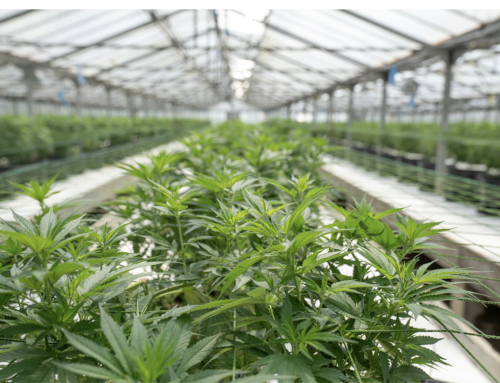
On the ground, Cresco kept moving. The company completed a dispensary acquisition for $14.7 million and signed a purchase agreement to acquire nine additional dispensaries for approximately $50 million. Currently, Cresco operates 79 dispensaries across 8 states. The company added 11 dispensaries to its platform across Pennsylvania and Ohio subsequent to the quarter, and its Kentucky operations shifted from the investment phase into revenue generation following a first harvest in April. Cresco was also conditionally awarded a Texas Compassionate Use Program license for vertically integrated operations – a market that has long been considered underleveraged relative to its population size.
Cash and cash equivalents declined to $32.3 million, with operating cash flow swinging to an outflow of $5.6 million from a prior inflow. Interest expense of $14.9 million and income tax expense of $14.2 million continue to compress the bottom line, which is precisely why the rescheduling development carries the weight it does.
What Q1 2026 ultimately shows is a company that has kept its operational house in reasonable order while waiting for federal policy to catch up to market reality. The June 29 DEA hearing will be closely watched across the industry. For Cresco, the numbers in the coming quarters may look noticeably different. Not because the Cannabis business changed, but because the rules governing how it gets taxed finally did.
About the Author: HCN News Team

Related Posts