Congress Presses FDA on Psychedelic Therapy Approvals
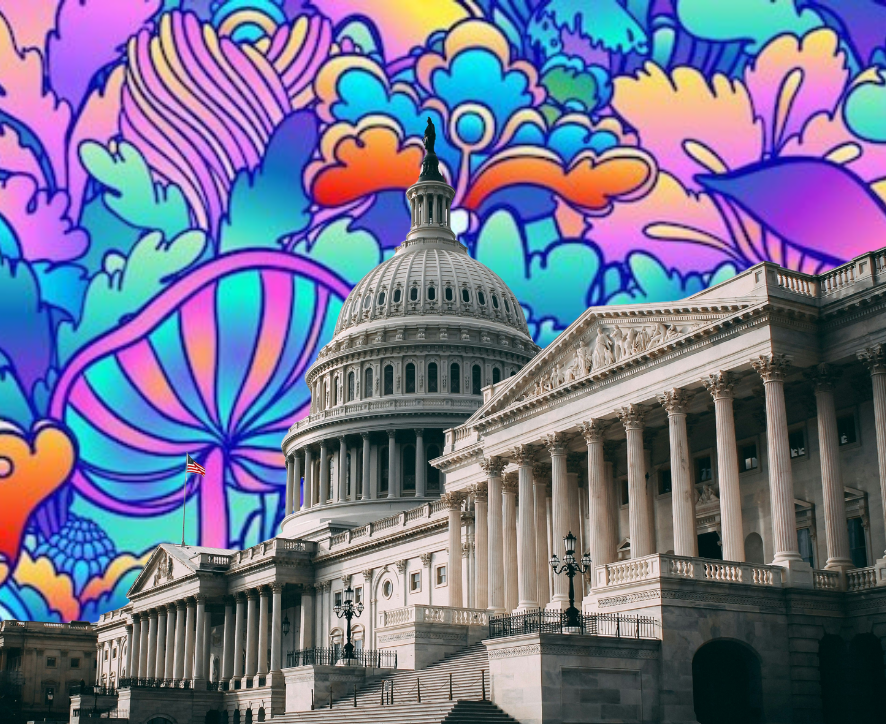






WASHINGTON – A bipartisan coalition of 32 House members sent a formal letter to FDA Commissioner Martin A. Makary urging the agency to move faster on ongoing reviews of psychedelic treatments. The letter stated that “for many individuals, current treatment options remain insufficient, deepening an already urgent public health crisis,” and referenced veterans, clinicians, and families as constituencies directly affected by the lack of approved alternatives.
The congressional letter arrives weeks after a significant executive action from the White House. On April 18, 2026, President Trump signed an executive order directing federal agencies to accelerate development and potential approval of psychedelic-based therapies for conditions including PTSD, depression, and substance use disorders, marking a notable shift in federal drug policy. Crucially, the order does not legalize psychedelic drugs but focuses on streamlining clinical development, enhancing federal coordination, and improving access pathways for investigational therapies.
The FDA moved quickly in response. The agency issued National Priority Vouchers to three companies studying psychedelic-based medicines: psilocybin for treatment-resistant depression (TRD), psilocybin for major depressive disorder (MDD), and methylone [a compound similar to MDMA] for PTSD. These vouchers were granted under the FDA Commissioner’s National Priority Voucher pilot program, which could potentially shorten regulatory review timelines from the traditional 6 to 10 months down to as little as 1 to 2 months in select cases.
The FDA also allowed an early-phase clinical study of noribogaine hydrochloride, a derivative of ibogaine, to move forward as a potential treatment for alcohol use disorder. This marks the first time the FDA has permitted a U.S. clinical study of an ibogaine derivative.
The congressional letter references Commissioner Makary’s own public statements, noting lawmakers are “encouraged” by his acknowledgment that psychedelic treatments are “a top priority for this FDA and this administration.”
On the legislative side, momentum has not stalled at the letter stage. Bipartisan legislation was introduced this session to provide $30 million annually to establish psychedelic-focused “centers for excellence” at VA facilities, where veterans could receive treatment involving substances like psilocybin, MDMA, and ibogaine. A Senate committee has also held hearings on a related bill to create a new VA office advancing psychedelic research, which would also assist in reviewing the scheduling status of key compounds.
Clinical data is catching up with the policy momentum. COMPASS Pathways achieved two consecutive positive Phase 3 trials for its COMP360 psilocybin therapy in treatment-resistant depression and now targets a rolling NDA submission in Q4 2026, which could make it the first classic psychedelic ever approved by the FDA.
Since 2021, approximately 30 states have passed or proposed bipartisan legislation to fund psychedelic research, propose regulatory reform, create regulated access programs, and establish task forces. Oregon’s psilocybin service centers have served roughly 16,000 clients since launch, Colorado now operates 34 licensed healing centers, and New Mexico became the first state to legalize medical psilocybin through legislation in April 2025.
About the Author: HCN News Team

Related Posts