BREAKING: DOJ Signs Cannabis into Schedule III
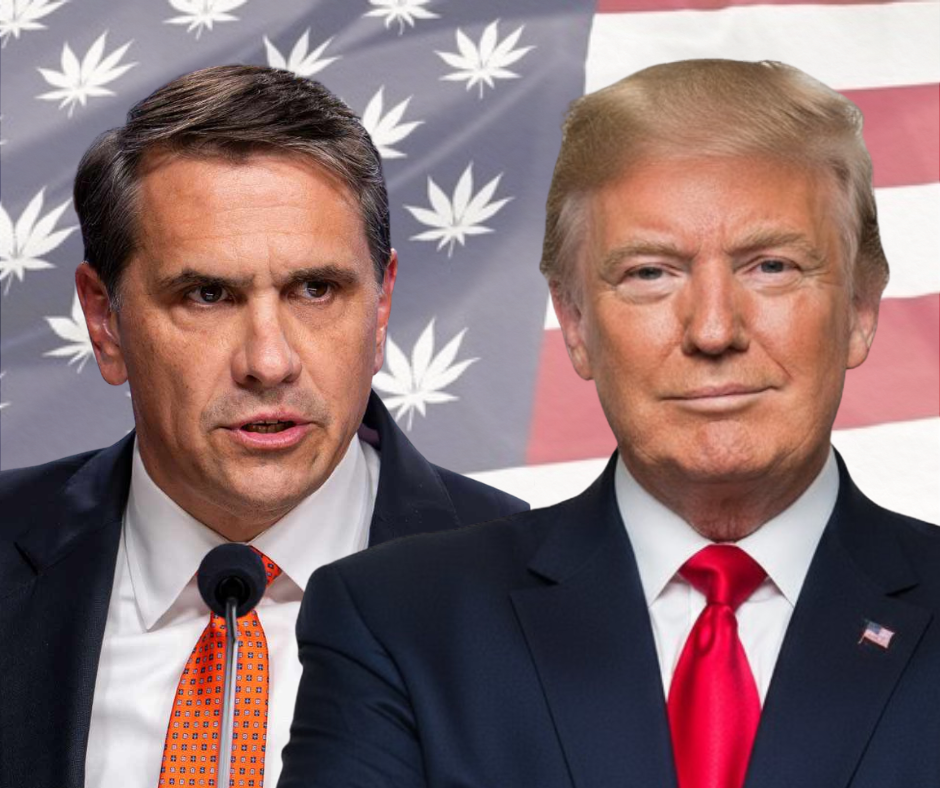






WASHINGTON – Today, the federal government took its most consequential step on Cannabis policy in decades, as Acting Attorney General Todd Blanche formally signed an order moving state-licensed medical Cannabis from Schedule I to Schedule III under the Controlled Substances Act, a reclassification that carries significant financial and regulatory consequences for thousands of operators across the country.
More than four months after President Donald Trump signed an executive order directing the Department of Justice to expeditiously finish the process of rescheduling Cannabis, Blanche announced that rescheduling is finally happening. The action brings to a close, at least procedurally, a multi-year federal review that began under the Biden administration and survived the transition between administrations in January 2025.
The scope of action is more targeted than the broad federal reclassification many in the industry had anticipated. The order does not legalize Cannabis for medical or recreational use under U.S. law, but it does change how it is regulated – shifting licensed medical Cannabis from Schedule I, reserved for drugs without medical use and with high potential for abuse, to the less strictly regulated Schedule III. Critically, Cannabis products not distributed through a state-licensed medical program will remain classified in Schedule I.
The Financial Upside & Its Limits
For state-legal operators, the most immediate and material consequence is relief from Internal Revenue Code Section 280E. For years, Section 280E has put state-legal Cannabis operators at a financial disadvantage by prohibiting businesses that traffic Schedule I or II controlled substances from deducting ordinary and necessary business expenses (including payroll, rent, and marketing) effectively taxing operators on gross income rather than net income, resulting in significantly higher effective tax rates than those faced by comparable industries.
The numbers illustrate the severity of that burden. Industry analysis from Headset suggests the typical dispensary could save approximately $268,000 per year in federal taxes, with higher-volume stores seeing annual relief closer to $800,000 per location. At the industry level, removing 280E could unlock between $1.6 billion and $2.2 billion in incremental after-tax cash flow annually.
Yet, operators and their counsel are cautioning against reading signing as a clean resolution. Material uncertainties remain, including administrative timing, potential Administrative Procedure Act litigation, state tax conformity, and the shape of future federal policy on hemp-derived cannabinoids. Prudent planning involves preparing for a 2026 effective date while retaining flexibility for delay, reassessing tax and financial reporting positions, and monitoring congressional activity.
The question of retroactivity adds a further wrinkle. If the IRS takes the position that a deferred rescheduling approach applies, meaning the change takes effect only for tax years beginning after the final rule’s effective date, taxpayers could miss out on many additional months of deductions. For example, if a final rescheduling rule becomes effective January 31, 2026, and the IRS specifies that 280E ceases to apply only to tax years beginning on or after that date, a calendar-year taxpayer might not see relief until 2027.
How the Decision Got Here
The road to the announcement was far from straightforward. The formal rescheduling process was initiated in April 2024 when, at the direction of President Biden, the DEA announced its intent to reclassify Cannabis as a Schedule III controlled substance, in accordance with the Department of Health and Human Services’ earlier recommendation. That process stalled as an administrative law judge overseeing the rulemaking process retired in mid-2025 without a replacement, leaving the DEA without a judge to conduct the required hearing.
Following Trump’s December executive order and subsequent directives to Blanche, the focus shifted to the legal execution required to finalize the rule – a process that drew immediate legal opposition, with groups like Smart Approaches to Marijuana filing for an emergency restraining order within 24 hours of the announcement.
The political circumstances surrounding Blanche’s role also shaped the outcome. Former Attorney General Pam Bondi had opposed Cannabis reform as Florida’s attorney general and did not attend Trump’s signing ceremony for the rescheduling executive order. Blanche, elevated to acting attorney general after Bondi’s removal, had signaled a more open posture, telling the Senate Judiciary Committee during his confirmation that he would give the matter careful consideration after consulting with relevant stakeholders, including DEA personnel.
Separately, the DOJ announced procedural updates to expedite the ongoing rulemaking process required to fully remove Cannabis from Schedule I and place it into Schedule III, with a new administrative hearing beginning June 29, 2026 – a pathway the department described as “timely and legally compliant.”
What Rescheduling Does Not Do
The DOJ’s action resolves one set of questions while leaving another set wide open. Questions around how Cannabis-derived medicines will be regulated, whether products must be dispensed through pharmacies, the FDA approval process, and whether interstate commerce will truly open are far from settled and will require thoughtful, coordinated policymaking.
Recreational Cannabis operations in adult-use states derive no direct federal benefit from the reclassification. Moving Cannabis from Schedule I to Schedule III, without other legal changes, does not bring the state-legal recreational Cannabis industry into compliance with federal controlled substances law.
Schedule III is a meaningful step for the industry, particularly on taxes, but it is not the end of federal prohibition, it does not repair the damage done by the War on Drugs, and it does not free a single person still incarcerated for Cannabis.
The Industry Reads the Moment
From a business standpoint, the announcement lands at a time of acute financial stress for many Cannabis operators. MSOs have spent years navigating compressed margins, limited banking access, and a capital market that has largely walked away from the sector since the green rush of 2018 and 2019. The 280E burden has been cited consistently as a primary driver of insolvency across state-legal markets.
The structural work is far from over. Banking access, interstate commerce, regulatory harmonization between state and federal frameworks, and the unresolved status of hemp-derived THC products all represent open files that rescheduling alone does not close.
For HCN’s readership (investors, operators, policy professionals, and market participants tracking the federal reform arc) this announcement marks a meaningful shift in the official federal posture toward Cannabis. The 280E elimination alone is real money, arriving at a moment the industry genuinely needs it. But the administrative and legal process ahead remains active, contested, and capable of producing delays.
The rule is signed.
The fight over what it means is just beginning.
About the Author: HCN News Team

Related Posts