Legal U.S. Cannabis Markets Generated Over $6B in Q1 2026
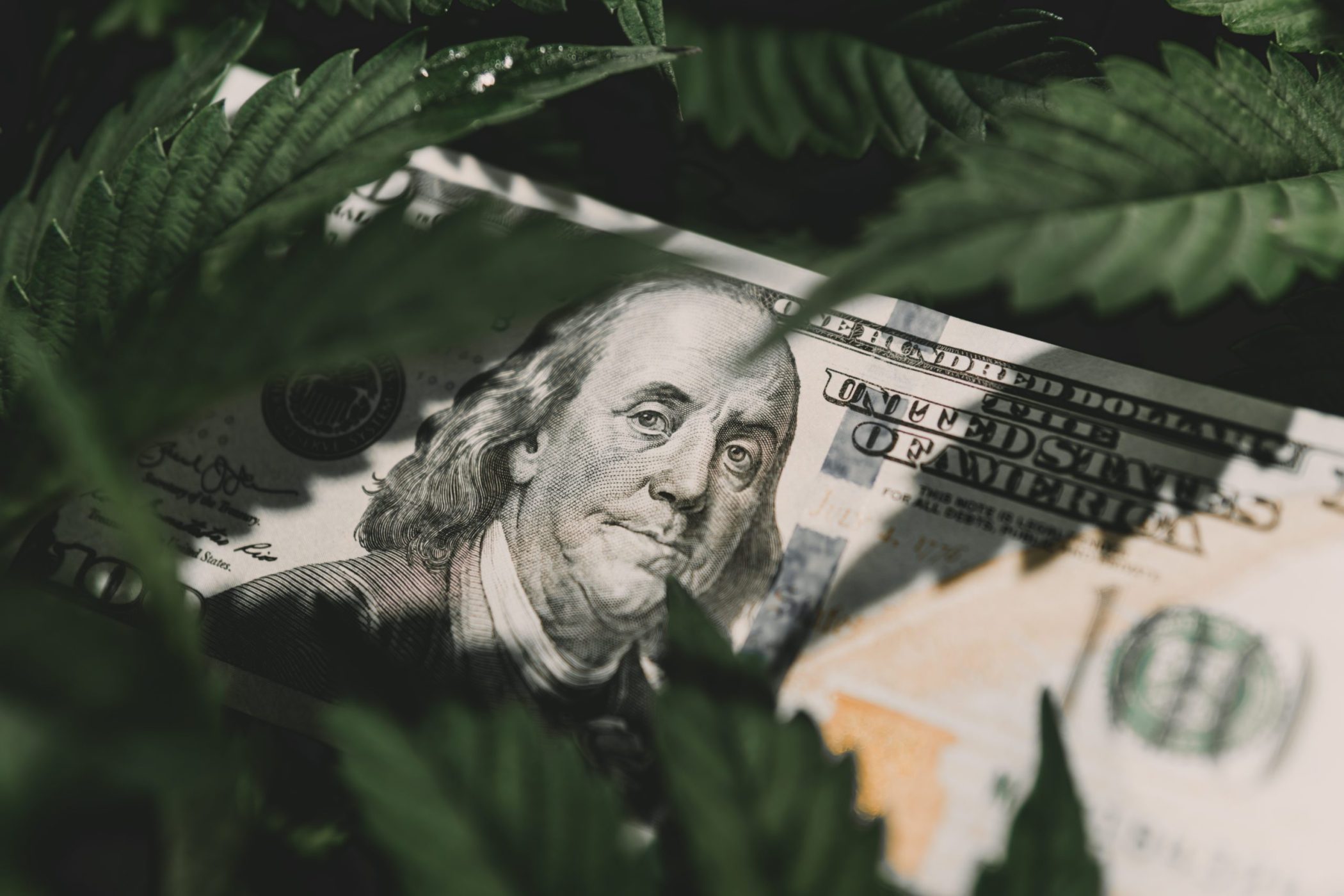






LOS ANGELES – Legal Cannabis markets across the United States generated $6.6 billion in sales during the first three months of 2026, according to compiled and released state regulatory data. The figure, which includes adult-use programs in 23 states and five of the largest medical-only markets, underscores continued consumer spending even as the industry contends with varying state-level dynamics and pricing pressures.
March alone contributed more than $2.3 billion, the strongest single month in the quarter. California led with $306 million, followed by Michigan at $256 million. Other notable performers included Florida’s medical market at $176 million, New York at $164 million, and Massachusetts at $132 million. The data, drawn directly from state agencies and supplemented by Headset, covers a broad swath of the regulated sector.
The quarterly total arrives as industry forecasters track signs of stabilization. Whitney Economics, in a March report, projected full-year 2026 legal revenue at $30.5 billion, a 4.9% increase from 2025 levels after the regulated market posted its first annual decline on record. The Q1 results align with that outlook, suggesting the sector has moved past last year’s contraction without dramatic acceleration.
The numbers reflect mature markets adjusting to oversupply in some states while newer programs, like those in Ohio and Minnesota, continue to build volume. Product mix also plays a role: pre-rolls and other convenient formats have gained share in several states, helping sustain unit sales even when average prices remain compressed.
These figures offer a clear snapshot rather than a forecast. First-quarter performance demonstrates that legal Cannabis retains solid demand across diverse state environments. Operators and investors will watch the coming quarters for confirmation that this level of activity holds as federal policy discussions advance and additional markets potentially open. The data just highlights what happened: consumers spent, states collected, and the regulated industry continued moving forward.
About the Author: HCN News Team

Related Posts