WSWA Launches Educational Resource on Hemp Beverage Regulation
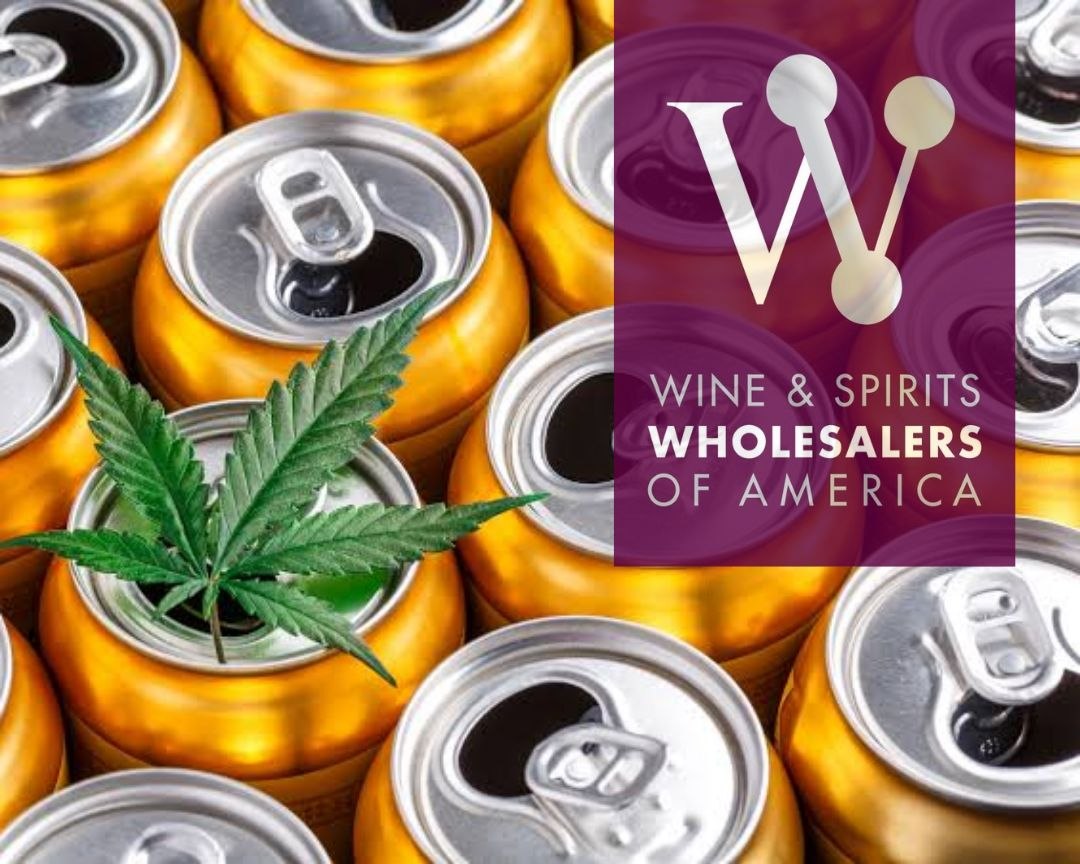






WASHINGTON – The Wine & Spirits Wholesalers of America (WSWA), the national trade association representing U.S. wine and spirits distributors, announced the rollout of a new online microsite outlining facts and policy options for overseeing intoxicating hemp-derived beverages.
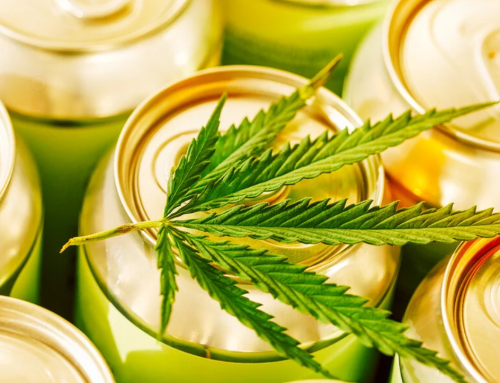
The platform arrives at a time when these low-dose, ready-to-drink products [typically single-serve cans containing 3 to 5 milligrams of Delta-9 THC] have gained traction in retail channels across much of the country. The microsite compiles data on market size, regulatory gaps and state-by-state activity, along with downloadable guides for lawmakers and industry participants.
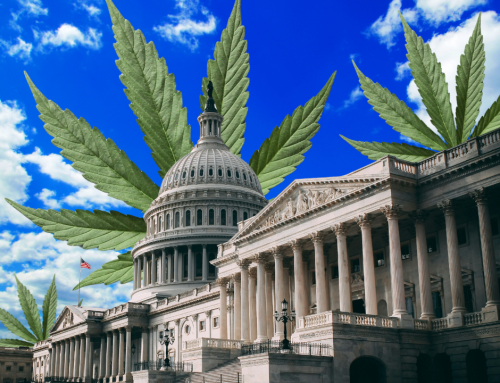
WSWA President and CEO Francis Creighton said the resource aims to supply clear information as federal policy shifts approach. “If Congress fails to act, these products face a real risk of being removed from the shelves of licensed, responsible retail stores in November, but would still be available to consumers through multiple other unregulated channels,” Creighton stated in the group’s release. “Intoxicating products, including hemp beverages, need a clear, workable framework that protects public health and public safety while allowing responsible businesses to operate.”
The site draws on alcohol-distribution practices developed over decades, recommending federal standards for testing, labeling and interstate commerce while leaving retail decisions to states. It includes an interactive, downloadable map of current state approaches, a glossary of cannabinoid terms and four core documents:
- a Hemp Education 101 primer,
- an overview of federal rules,
- policy considerations for drafting legislation, and
- the 2025 Hemp Beverage White Paper prepared by Whitney Economics.
Figures highlighted in the materials point to the category’s scale. The hemp beverage sector supported 320,000 jobs, carried potential annual economic activity of $28.4 billion and could generate $1.5 billion in state tax revenue. Sales at some retailers accounted for 20% of volume, with the hemp beverage segment posting 143% growth in 2023. Polling cited by the group shows 72% of likely voters back regulation over prohibition.
From a business standpoint, the launch positions wholesalers [who already move more than 80% of the nation’s wine and spirits] as experienced handlers of age-restricted, taxed and traceable products. Several states have already folded hemp drinks into alcohol-style rules, creating a patchwork that the microsite argues would benefit from national baseline standards on production and safety without overriding local authority.
Critically, the timing aligns with a scheduled federal adjustment to the hemp definition set for November that could restrict many current formulations. WSWA has advocated for an extension of that deadline and for rules that prohibit synthetic cannabinoids while allowing naturally derived Delta-9 THC under controlled conditions. The group’s members include distributors that have begun handling these items, and one hemp beverage maker joined as an associate member last year.
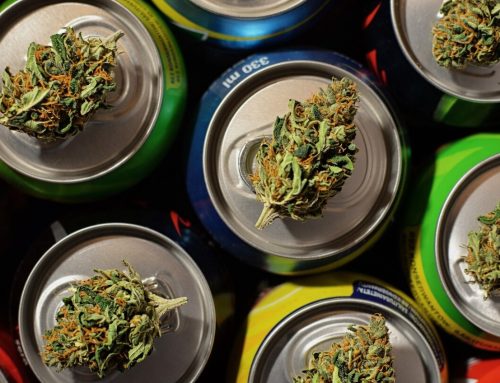
The development highlights an expanding overlap between hemp-derived drinks sold in convenience and liquor stores and regulated Cannabis beverages available only through licensed dispensaries. The economic incentives are plain: structured oversight could channel tax revenue and reduce gray-market risks, yet it also introduces competition for consumer dollars in the broader adult-beverage space.
About the Author: HCN News Team

Related Posts