Cannabinoids and Fatty Liver Disease: Emerging Research Highlights a Growing Health Challenge for Seniors
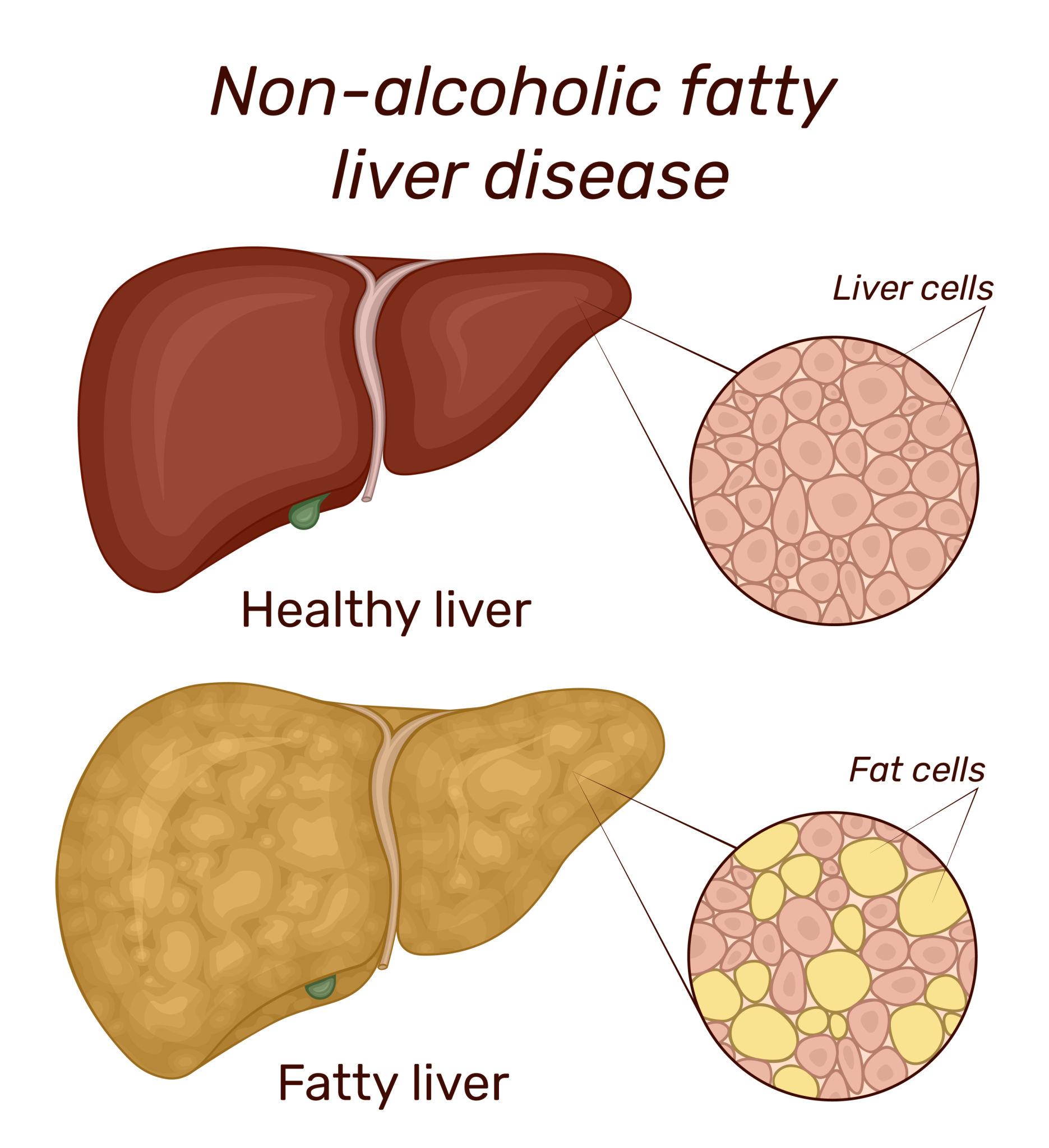






LOS ANGELES- A growing body of scientific research is examining how compounds derived from Cannabis may interact with metabolic diseases that affect hundreds of millions of people worldwide. Among the most widespread of these conditions is metabolic dysfunction-associated steatotic liver disease (MASLD)—a disorder previously known as non-alcoholic fatty liver disease.
MASLD affects roughly one-third of adults globally, and its prevalence increases significantly with age. For many people over the age of 55, decades of metabolic strain—driven by factors such as insulin resistance, obesity, and sedentary lifestyles—can lead to fat accumulating in the liver. Over time, this accumulation disrupts normal metabolic function and can progress into inflammation, fibrosis, and more serious liver complications.
For seniors, MASLD is often part of a broader metabolic picture. The disease is closely associated with type 2 diabetes, cardiovascular disease, and metabolic syndrome, creating a cycle in which liver dysfunction worsens other chronic health conditions. Because MASLD often develops without obvious symptoms, many patients are unaware they have the condition until it has already advanced.
Despite the scale of the problem, treatment options remain limited. Physicians typically recommend lifestyle changes such as improved diet, weight loss, and increased physical activity. While these interventions can be effective, they are difficult to maintain and do not address the underlying metabolic mechanisms directly.
Against this backdrop, scientists are increasingly investigating how compounds found in Cannabis interact with the body’s metabolic systems.
What the Research Found
Recent research drawing attention in the medical press examined two non-intoxicating cannabinoids found in Cannabis:
• CBD (cannabidiol)
• CBG (cannabigerol)
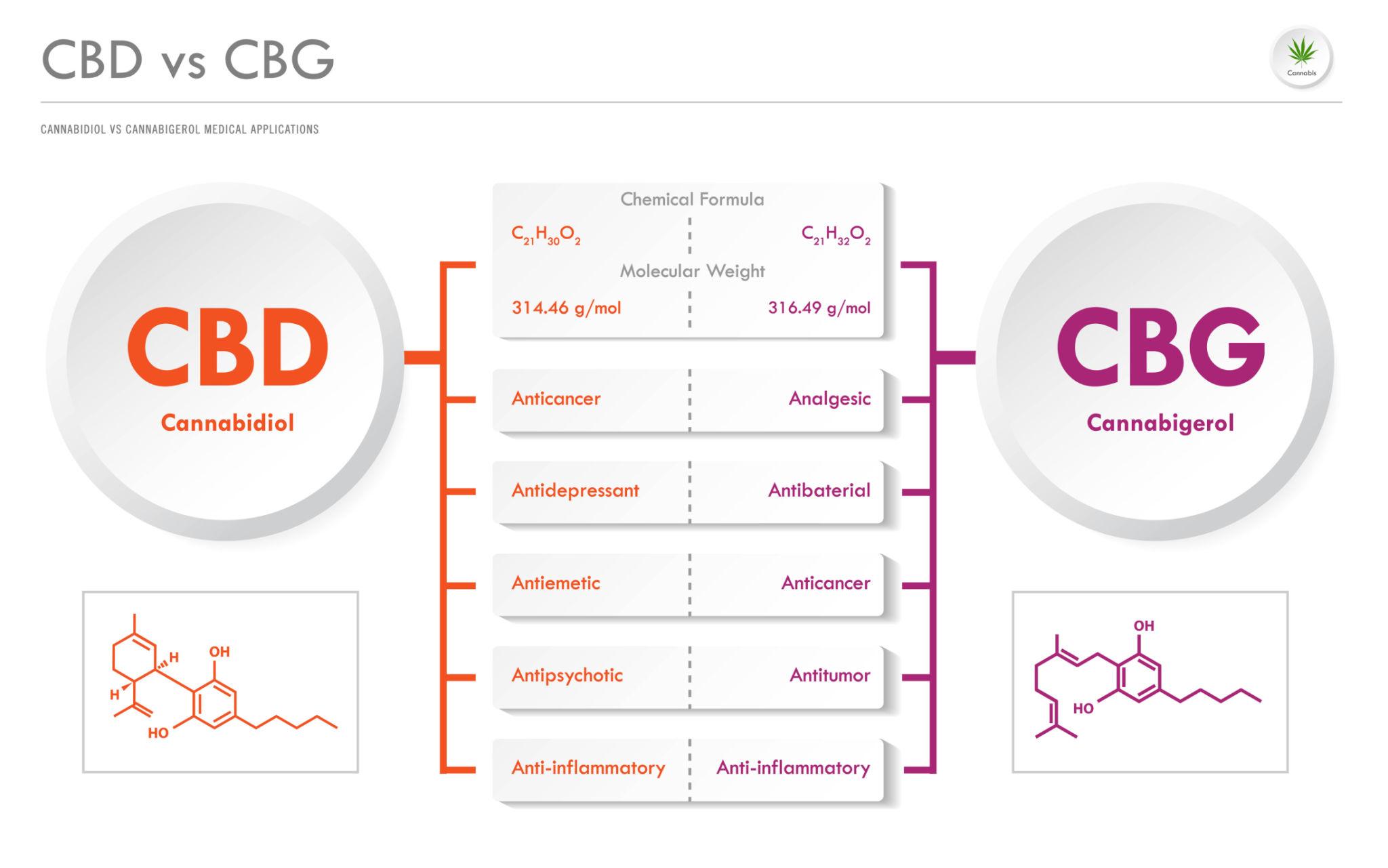
Unlike THC, these cannabinoids do not produce psychoactive effects, making them particularly attractive for medical research and potential long-term therapeutic use.
In experimental models studying metabolic liver disease, researchers observed several notable metabolic changes when CBD and CBG were introduced.
According to the study, the cannabinoids appeared to:
• Reduce fat accumulation within liver cells
• Improve insulin sensitivity
• Restore key metabolic enzyme activity
• Increase phosphocreatine energy reserves within liver tissue
Researchers described these changes as a form of metabolic remodeling, suggesting that cannabinoids may influence how liver cells process energy and regulate fat metabolism.
In MASLD, the liver becomes overloaded with fat deposits that disrupt normal metabolic processes. Over time, this can impair the liver’s ability to regulate blood sugar, process nutrients, and remove toxins from the body.
By influencing cellular metabolism, CBD and CBG may help restore aspects of normal liver function, according to the researchers.
While these findings remain early-stage, they contribute to a growing body of scientific work exploring how cannabinoids interact with metabolic pathways in the body.
Why the Findings Matter for Aging Populations
The potential implications of this research are particularly relevant for older adults.
As the body ages, metabolic efficiency naturally declines. The liver becomes more susceptible to fat accumulation, while insulin resistance and systemic inflammation tend to increase.
These biological changes can create a feedback loop in which metabolic dysfunction worsens liver health, and declining liver function further aggravates broader metabolic disorders.
Because many seniors already manage multiple medications for chronic conditions, scientists are especially interested in therapeutic approaches that rely on non-intoxicating compounds with favorable safety profiles.
Understanding how cannabinoids interact with metabolic systems could eventually help researchers identify new ways to support metabolic health in aging populations.
However, scientists caution that additional research—including clinical trials in humans—will be necessary before cannabinoid-based therapies could be considered for medical use.
Expanding the Scientific Understanding of Cannabinoids
Cannabis contains more than 100 identified cannabinoids, many of which remain only partially understood.
Over the past decade, scientific interest in these compounds has expanded as regulatory barriers to Cannabis research have gradually eased. Researchers are now examining cannabinoids across a range of medical fields including chronic pain, neurological disorders, inflammatory diseases, and metabolic dysfunction.
Each new study contributes to a deeper understanding of how the body’s endocannabinoid system interacts with fundamental biological processes.
Research into metabolic diseases such as MASLD represents one of the most promising emerging areas of cannabinoid science.
How AULV Health Is Approaching the Opportunity
For AULV Health, research like this underscores the importance of continuing to explore how cannabinoids may interact with complex metabolic diseases.
“Our focus is on translating emerging cannabinoid science into structured medical solutions,” said Clayton Smith, CEO of AULV Health. “Conditions like fatty liver disease affect hundreds of millions of people globally, and the metabolic pathways involved are exactly where cannabinoids may have meaningful biological interactions.”
Smith believes the expanding body of cannabinoid research is beginning to reveal a more sophisticated understanding of how different compounds in the Cannabis plant influence human biology.
“The Cannabis plant contains an extraordinary library of biologically active molecules,” Smith said. “The real opportunity lies in identifying which cannabinoids interact with specific disease pathways and translating that knowledge into precise, clinically guided formulations.”
Jay Patel, President of AULV Health, believes metabolic diseases represent one of the most important frontiers for cannabinoid science.
“Many of the health challenges affecting older populations today are fundamentally metabolic,” Patel said. “If cannabinoids can help support metabolic balance or liver function—even modestly—that could represent an important step toward new therapeutic approaches.”
Patel emphasized that the science remains early but continues to evolve rapidly.
“What we’re seeing now is the beginning of a deeper understanding of how cannabinoids interact with human biology,” Patel said. “As that research progresses, it may open the door to more targeted and responsible medical applications.”
For AULV Health, studies exploring the relationship between cannabinoids and metabolic disease reinforce the importance of continued scientific inquiry.
“The goal is to follow the science and determine where cannabinoid-based therapies may ultimately fit within modern healthcare,” Smith said.
As research continues to expand, understanding how cannabinoids influence metabolic systems may help shape new approaches to some of the most widespread health challenges facing aging populations today.
Copyright 2026 © The Highly Capitalized Network and AULV Health. For more information on AULV Health see our website at aulv.org
About the Author: HCN News Team

Related Posts