Texas Restricts Sales of Smokable Hemp Products Effective March 31







AUSTIN – Texas retailers must pull smokable hemp products from shelves by the end of the month under final rules adopted by the Department of State Health Services (DSHS). The regulations, which take effect March 31, effectively ban the manufacture, distribution, and sale of hemp flower and extracts by requiring total THC testing that includes THCA levels.
The change stems from a shift in how the state calculates delta-9 THC content. Under the 2019 Hemp Law, stemming from the 2018 Farm Bill, products with no more than 0.3% delta-9 THC by dry weight qualify as legal hemp. The new rules fold in THCA pushing most smokable items over the limit. Edible hemp products, including gummies, drinks, and oils that stay below the threshold on delta-9 alone, remain available but face new requirements for child-resistant packaging, detailed labeling, batch testing, and recall procedures.
The department adopted the measures on March 2 after public comment and will publish them in the Texas Register on March 20. They respond directly to a September 2025 executive order from Gov. Greg Abbott directing agencies to tighten oversight of consumable hemp following the legislature’s failure to pass a broader ban. Earlier legislative efforts, including Senate Bill 3, were vetoed or stalled.
Licensing fees, initially proposed at much higher levels, were scaled back in the final version. Manufacturers will pay $10,000 per facility annually, while retailers face $5,000 per location – increases from the previous $250 and $150 rates, respectively. Age restrictions requiring buyers to be 21 and show identification, already in place through emergency rules, stay in force.
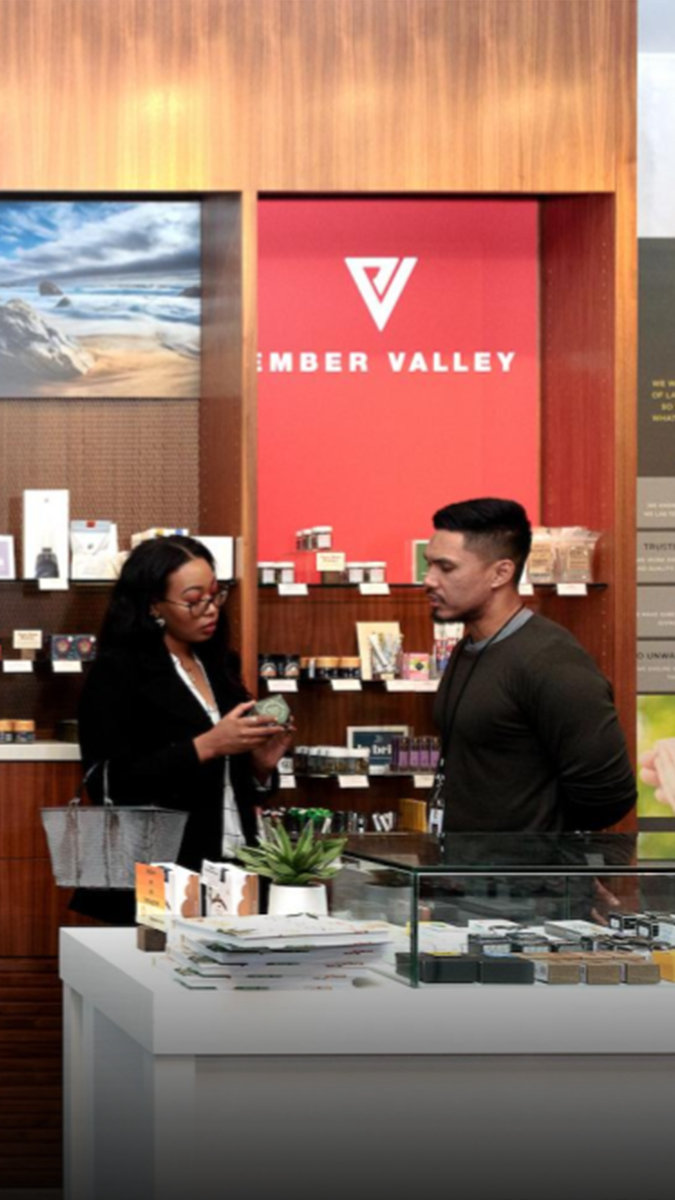
The smokable segment, popular as THCA flower, accounts for a substantial share of sales at many outlets. Losing flower could make higher fees unsustainable for smaller operations. Advocates warn that consumers may turn to out-of-state sellers or unregulated sources lacking safety standards or age checks. Possession of existing hemp products remains legal under state law.
The Texas Hemp Business Council and other groups have signaled possible legal challenges, arguing the total-THC approach exceeds prior statutory intent. DSHS maintains the policy aligns with both state and federal standards already applied to testing.
These rules represent a measured but consequential adjustment rather than outright prohibition. Texas built one of the nation’s largest hemp retail sectors after 2019 legalization, with more than 9,000 registered locations serving adult consumers. The focus now shifts to compliant non-smokable formats under heightened compliance costs and enforcement. How businesses adapt [through product reformulation, supply-chain adjustments, or consolidation] will determine whether the regulated market retains its scale or cedes ground to alternatives.
About the Author: HCN News Team

Related Posts