Colorado Lawmakers Back Temporary On-Site Cannabis Consumption Events






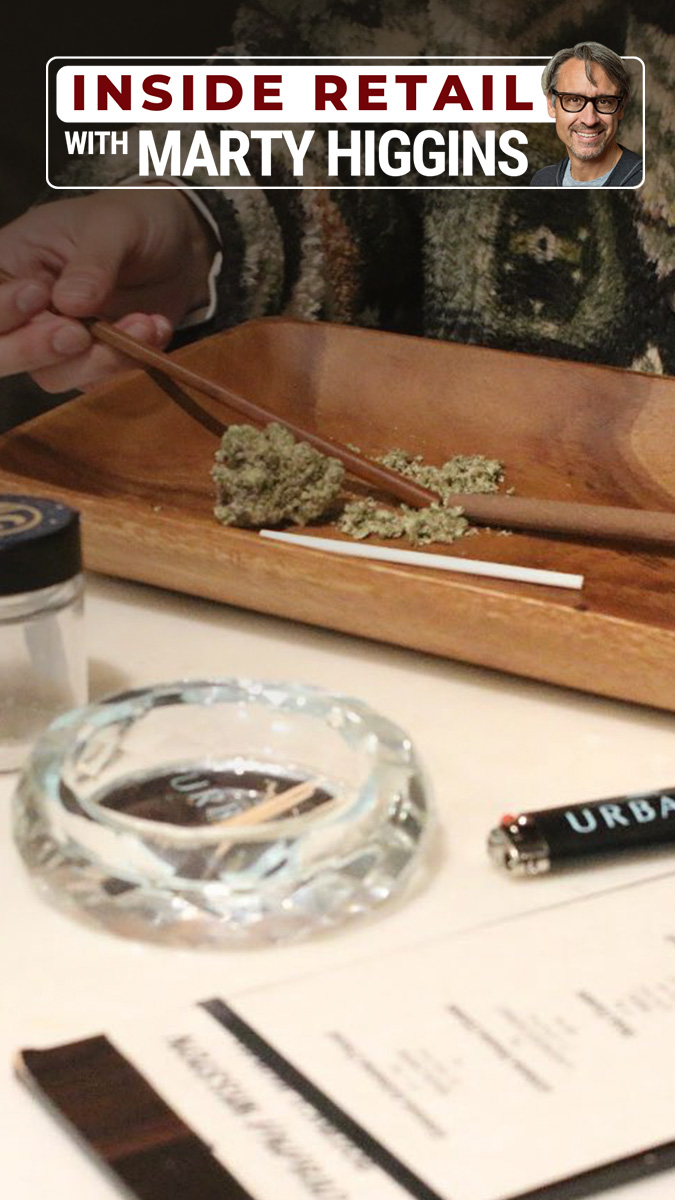
DENVER – Colorado’s House Committee on Business Affairs & Labor voted 7-5 to advance House Bill 26-1117, a measure that would let licensed Cannabis hospitality businesses hold temporary on-site consumption events. Sponsored by Rep. Naquetta Ricks, a Democrat from Aurora, the bill cleared its first hurdle after amendments and now heads to the House Finance Committee for further review.
The legislation sets up a new permitting system starting January 4, 2027, allowing hospitality licensees to apply for state-issued temporary permits for up to 15 events per year, each lasting no more than 72 hours. At these events, adults could consume Cannabis on the premises, but no sales or distribution would be permitted. Other Cannabis licensees, like growers or manufacturers, could join as participants, but only under the umbrella of a hospitality business operator. Local governments would need to opt in by approving event premises permits, with fees set to cover administrative costs.
State analysts project the bill could generate about $41,000 in Marijuana Cash Fund revenue in its first partial year, rising to $127,000 by fiscal 2028-29, mainly from application fees. Those funds would offset enforcement expenses in the Department of Revenue’s Marijuana Enforcement Division, including new staff to handle permitting and inspections.
Yet, the measure arrives amid mixed industry signals. While it aims to expand access to controlled consumption spaces, some Cannabis operators have withheld support, citing the need to partner with hospitality licensees and ongoing social equity rules in places like Denver that limit new licenses until 2027.
Critics argue the restrictions could stifle broader event participation, potentially limiting economic benefits for brands eager to engage consumers directly. Proponents, however, see it as a measured step to normalize public consumption without undermining retail sales channels. If enacted, the bill could spark more Cannabis-friendly gatherings, but its success depends on local buy-in and navigating fiscal scrutiny ahead. Moreover, its passage would require clearing the Finance Committee, receiving full House approval, and overcoming Senate roadblocks before the session ends in May.
About the Author: HCN News Team

Related Posts