Los Angeles City Council Advances a Tax Amnesty Program for Licensed Cannabis Businesses
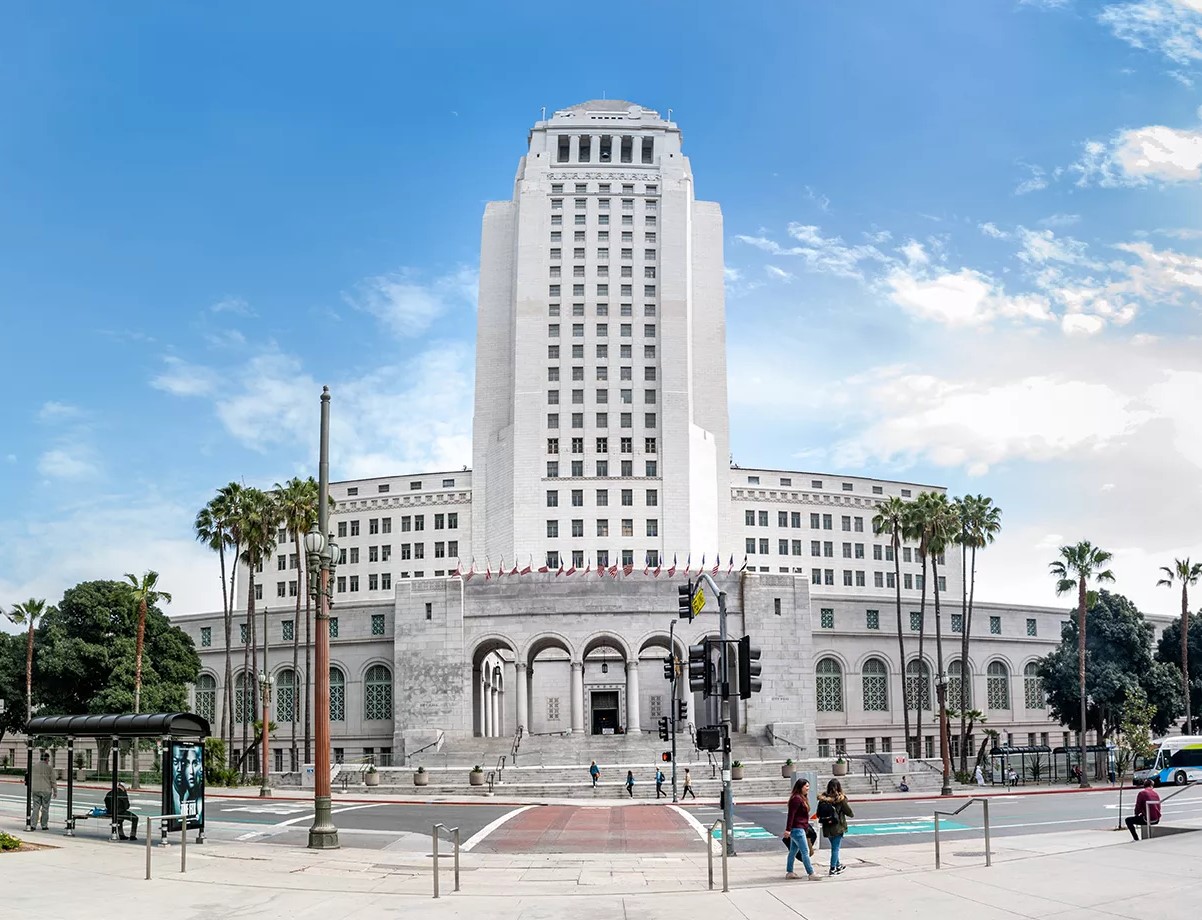






LOS ANGELES – The City Council voted 13-0 to instruct staff to craft a tax amnesty program for more than 500 licensed Cannabis businesses that collectively owe approximately $400 million in back taxes, penalties, and interest. The unanimous decision, with Councilmembers Traci Park and Hugo Soto-Martinez absent, advances a proposal from the Office of Finance aimed at recovering revenue that could otherwise go uncollected due to time limits on debt enforcement.
The initiative targets delinquent accounts in an industry burdened by high local taxes, including a 10% gross receipts levy, and competition from unlicensed sellers. Of the total debt, about $35 million represents interest and $100 million penalties. Roughly 329 operators owe less than $200,000 each, while 48 exceed $2 million.
The program would waive penalties and interest for participants who enter payment plans of up to 36 months, potentially collecting $30 million over the next year while forgiving around $20 million in penalties – a trade-off to secure revenue that might otherwise vanish under the three-year statute of limitations for older debts. Officials note that a similar citywide amnesty in 2020 recovered $20.6 million through shorter installments.
Councilwoman Imelda Padilla, chair of the Government Operations Committee, described the step as a realistic response to compliance challenges. Funds recovered would allocate 20% to the general fund and finance operations, 40% to police and prosecutorial efforts against illegal operations, and 40% to grants supporting social equity Cannabis enterprises.
The move follows reports of widespread delinquency, with more than two-thirds of the city’s 738 licensed Cannabis accounts affected as of late 2025. Revenue from Cannabis taxes has declined despite license growth from 2021 to 2024, per Department of Cannabis Regulation data. State-level relief arrived in September 2025 when Gov. Gavin Newsom signed legislation holding the excise tax at 15% through 2028, pausing a prior increase to 19%.
If enacted later this year with mayoral approval, the amnesty could provide breathing room for struggling operators and inject resources into enforcement, potentially shrinking the gray area that siphons sales. But without addressing root causes like tax structures or regulatory hurdles, it risks being a temporary patch in a market where compliance remains a steep climb.
About the Author: HCN News Team

Related Posts