Opinion: The Hemp Industry Has Finally Split Into Two Lanes






LOS ANGELES- The word “hemp” can mean five different things depending on who is talking, that era is finally ending. The industry didn’t get simpler, federal policy is forcing it to. It’s something I have been fighting for for a long time.
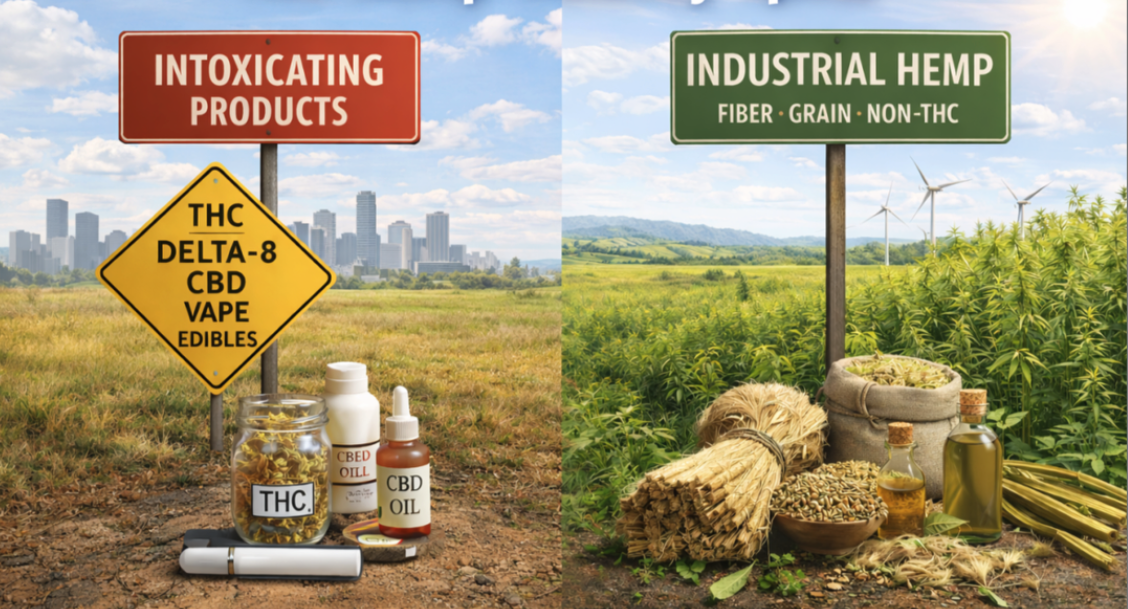
The result of the impending ‘hemp ban’ is a hard separation between intoxicating hemp-derived cannabinoid commerce and industrial hemp grown for non-cannabinoid products like fiber and grain. Medicinal or industrial.
Here is what officially changed.
The federal update signed in Nov. tightened the definition of hemp by shifting from a delta-9-only standard to a total THC standard that includes THCA.
But wait, there’s more.
It also introduced exclusions around viable seeds tied to plants that exceed the >.3% THC threshold, and it further narrowed what qualifies under the “hemp” label for certain downstream cannabinoid products. An effective date one year out created a real countdown. The industry has a compliance cliff ahead, and everyone can feel it.
That date matters because we know decisions will have to be made. People selling and building businesses around the old gray-zone interpretation have to either exit, adapt, or get regulated into a different category. Investors see the same thing: uncertainty concentrates risk, and risk changes where capital flows.

The author: Erica Halverson: CEO of TINY e TOILET PAPER
But here’s the bigger point.
The revised definition explicitly recognizes industrial hemp grown for non-cannabinoid purposes. Fiber and grain are not the problem. They are the durable lane. Both sides of congress agree about this, and they rarely agree on anything these days.
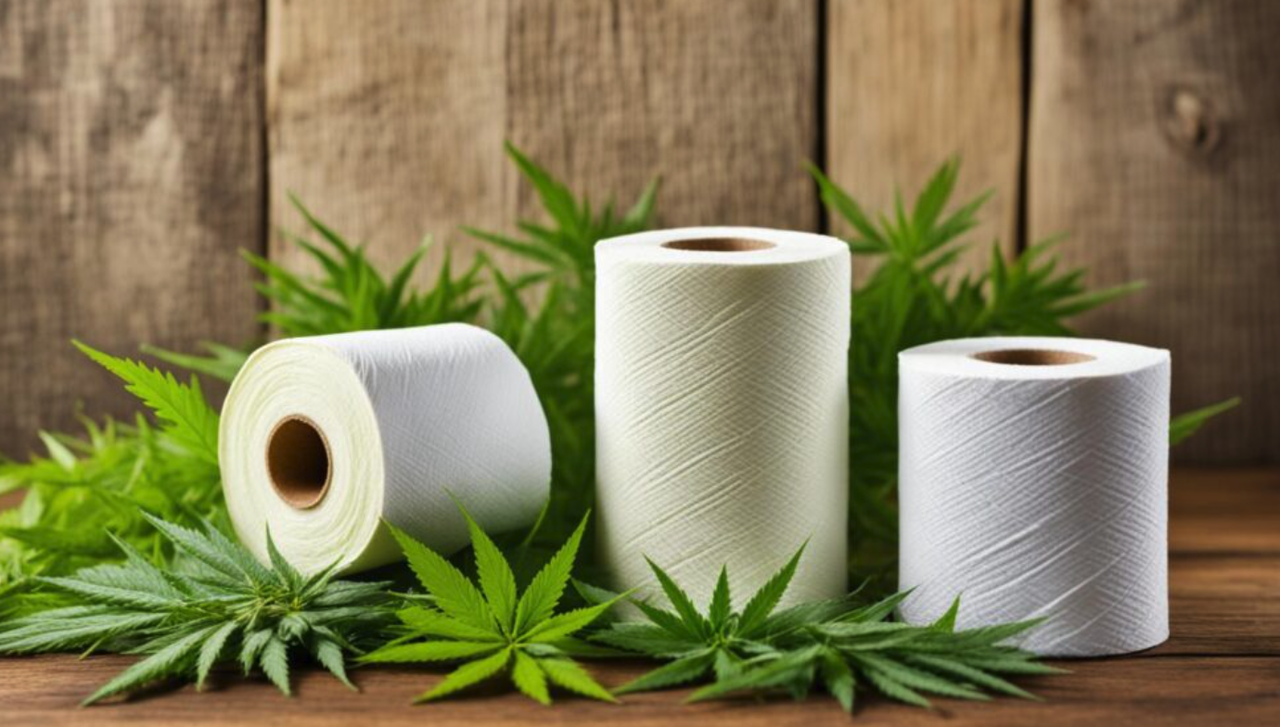
The non risky play is not betting on intoxicating products, regulatory ambiguity, or a future where enforcement stays inconsistent. It is building an industrial hemp fiber product with boring, beautiful fundamentals: household essentials that are not currently sustainable can be for the first time. No consumer education required beyond “this works, and it is better.” Toilet paper is only one example.
The policy shift matters for another reason: it cleans up the narrative. For years, industrial hemp businesses have had to drag around the stigma created by products that were never really about fiber, soil, or manufacturing. Public debate around “hemp” got dominated by cannabinoids and scaring people about public health safety. The new framework draws a sharper line. It says, in effect, there are two different industries wearing the same name, and they are not going to be treated the same anymore.
Investors should read that as a de-risking event for industrial hemp manufacturing.
There are only 3 things you can do with the medicinal side, ingest, consume, or rub and while yes this is the definition of a medicine for the body, Mother Earth also needs her medicine. We know of 50K+ products that can be made from industrial hemp.
This is why toilet paper is such a powerful product for industrial hemp.
Toilet paper is steady demand. It is not seasonal. It is not trendy. It is not dependent on a single buyer’s procurement cycle. It is a daily necessity that creates predictable throughput. That reliability is exactly what farmers and processors need when they are scaling a new supply chain, basic Econ 101, supply and demand. The downstream demand drives the upstream supply. But they need consistent demand in volume.
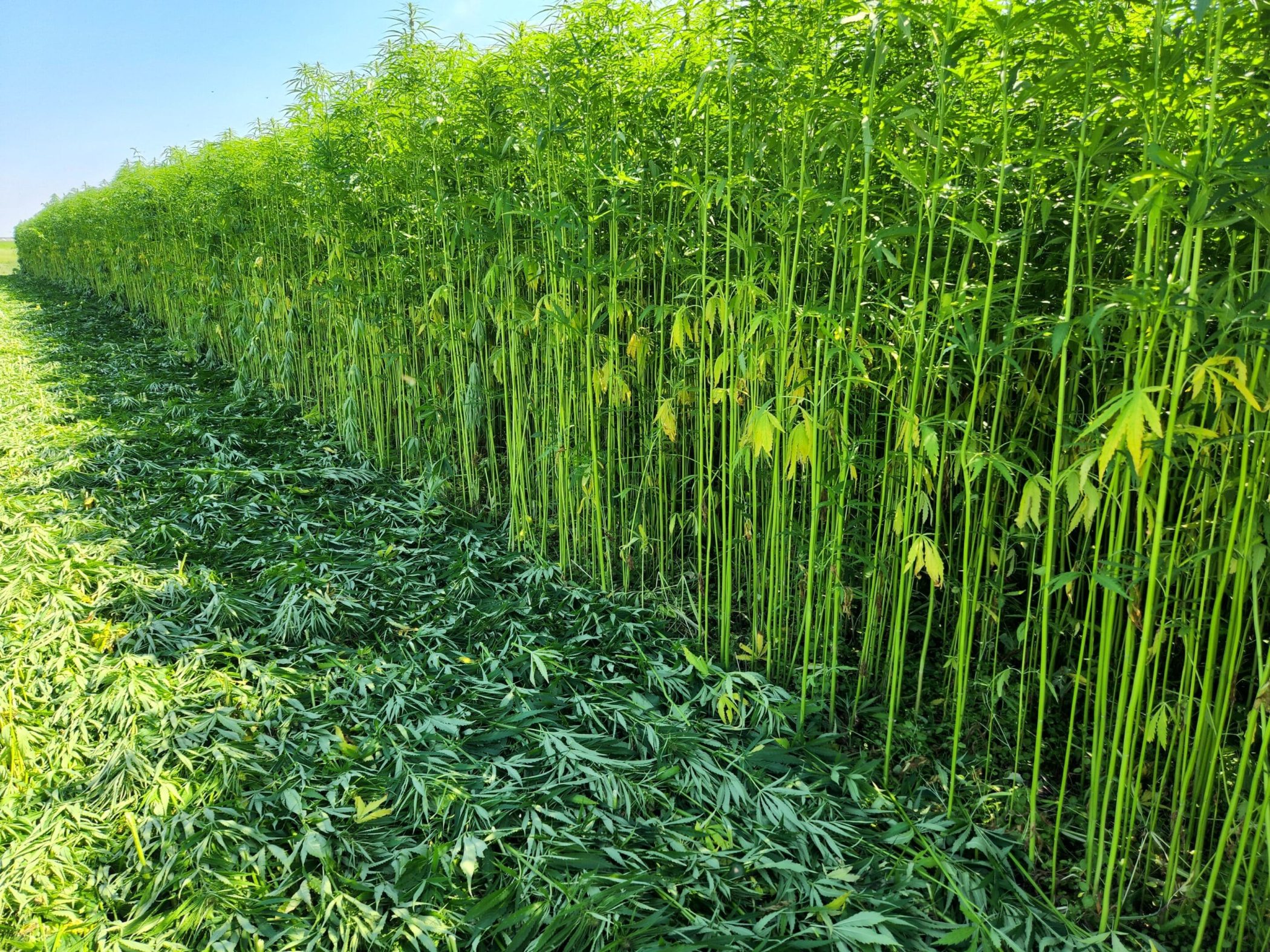
In a market where the word “hemp” has been noisy and risky, policy just created separation. The cannabinoid lane gets constrained. The industrial lane becomes easier to defend, easier to explain, and easier to underwrite. The winners will be the teams that can turn industrial hemp into mainstream, non-controversial products with a clear setup path and credible unit economics.
For example, no one is debating banning toilet paper. But they are demanding a more responsible and sustainably compliant version (bamboo and trees aren’t it).
TINY e TOILET PAPER is positioned to win because it is building where the market is going, not where it is getting regulated out of existence.
Kicking the can down the road for another 2 years does nothing to ease the uncertainty, it only prolongs the inevitable.
If you want exposure to industrial hemp’s upside without betting on loopholes, this is the moment. The countdown has started, the industry is repositioning, and the best time to fund the infrastructure for the industrial lane is before everyone agrees it is the obvious lane.

Copyright 2026 ©Highly Capitalized Network and Erica Halverson. All rights reserved. Highly Capitalized Network thanks Erica Halverson for her opinions in this article.
Erica Halverson is the Founder & CEO of TINY e TOILET PAPER, where she is pioneering the first 100% industrial hemp toilet paper designed to meet true ESG standards. A repeat founder and seasoned CPG executive, she is also a patent-pending inventor of the first pH-balanced infused toilet paper tailored for men and women.
A published industrial hemp educator and outspoken advocate, Erica is leading a pilot with a major global manufacturer and is currently fundraising to scale production. Her mission is simple: redefine sustainable hygiene and replace trees with industrial hemp — one roll at a time.
About the Author: HCN News Team

Related Posts