DOJ Keeps Silent on Cannabis Rescheduling Updates
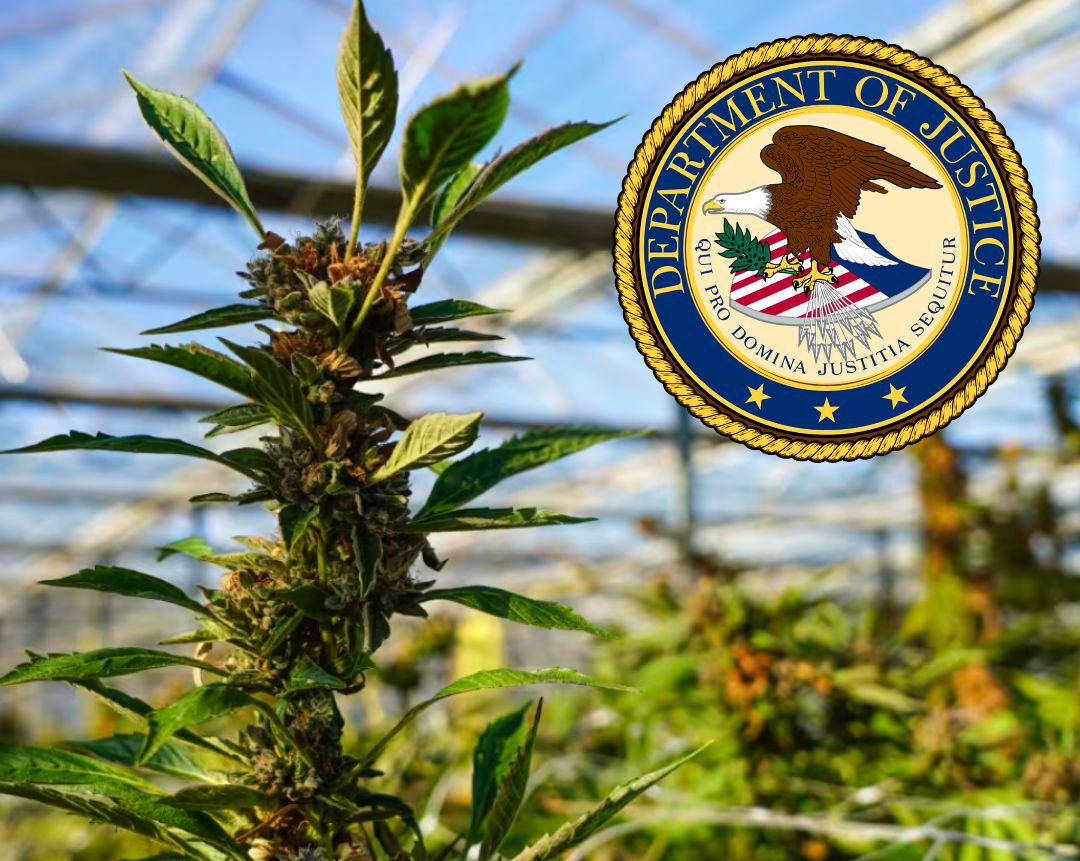






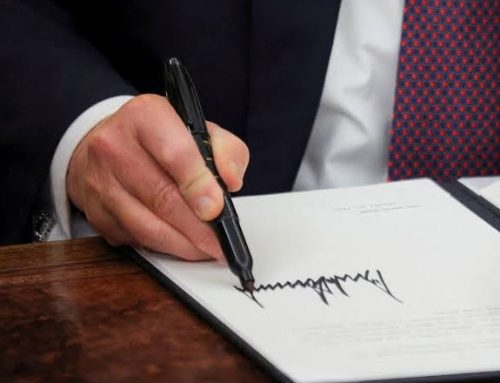
WASHINGTON – It’s been more than 40 days since President Donald Trump signed an executive order calling for the swift rescheduling of Cannabis, yet the Department of Justice (DOJ) remains tight-lipped on any progress.
A DOJ spokesperson, Wyn Hornbuckle, Deputy Director of Public Affairs, told yesterday that the department has “no comment or updates” on efforts to reschedule Cannabis under the Controlled Substances Act. This comes despite the December 18, 2025, executive order from Trump directing Attorney General Pam Bondi to take “all necessary steps to complete the rulemaking process” in the “most expeditious manner” consistent with federal law, emphasizing Cannabis’s recognized medical uses and lower abuse potential relative to other Schedule I drugs.
The underlying proposal dates to May 2024, when the DOJ issued a notice of proposed rulemaking that attracted nearly 43,000 public comments following a 2023 recommendation from the Department of Health and Human Services. Progress halted in early 2025 after an interlocutory appeal raised concerns about potential bias in Drug Enforcement Administration (DEA) leadership, resulting in a stay of proceedings. The situation worsened with the July 2025 retirement of the chief administrative law judge, leaving no presiding officer for any resumed hearings. The DEA stated in early January 2026 that the appeal process “remains pending,” unaffected by the executive order, with no hearings scheduled or final rule issued.
Recent developments have removed some external barriers. In early January 2026, congressional appropriators dropped language from the fiscal year 2026 Commerce, Justice, Science and Related Agencies funding bill that would have prohibited the DOJ from using funds to finalize rescheduling. This retreat by House and Senate committees cleared a potential legislative block that had appeared in earlier drafts.
Industry speculation has grown, particularly after former Rep. Matt Gaetz [Trump’s initial nominee for Attorney General before his withdrawal] posted on X that he had been informed the DEA is actively drafting a rescheduling rule and intends to advance it “ASAP.” The claim has not been corroborated by official sources and stands in direct contrast to the DOJ’s repeated stance of no updates. Legal observers stress that any final action requires adherence to administrative procedures, including potential hearings and interagency review, regardless of executive directives.
The persistent lack of movement at the DOJ and DEA illustrates the limits of executive authority in navigating entrenched administrative and procedural requirements. While Trump’s EO and the congressional decision not to interfere have sustained momentum and eliminated one hurdle, the process remains frozen in its procedural track. Cannabis operators, investors, researchers and financial partners continue to contend with Schedule I realities; most notably Section 280E tax restrictions, constrained banking options, and research limitations.
The executive push has heightened expectations, but tangible change depends on resumed DEA activity or explicit guidance from Attorney General Bondi. Until then, the federal framework holds, requiring stakeholders to manage operations under current rules while tracking any official signals that the administrative process has restarted.
About the Author: HCN News Team

Related Posts