Virginia Lawmakers Approve Bill to Establish Regulated Cannabis Sales






RICHMOND – The Virginia House General Laws Committee voted 19-2 to approve legislation that would lay the groundwork for legal retail sales of recreational Cannabis, bringing the state closer to filling a longstanding gap in its Cannabis policy.
The measure, carried by Del. Paul Krizek (D), builds directly on recommendations from the Joint Commission to Oversee the Transition of the Commonwealth into a Cannabis Retail Market. Virginia has allowed adults 21-plus to possess and cultivate Cannabis at home since 2021, but commercial sales have remained prohibited, contributing to a thriving illicit market. The bill would authorize the Virginia Cannabis Control Authority to oversee licensing, testing, taxation, and enforcement while imposing stricter penalties for unlicensed operations.
A substitute version adopted by the committee included adjustments such as elevated fines for illegal sales and modifications to the authority’s board structure. The proposal eliminates local opt-out provisions, ensuring uniform statewide access, though it retains zoning restrictions and proximity limits for retail locations.
The House action follows a companion bill’s passage last week in the Senate Rehabilitation and Social Services Committee on an 8-7 vote. That measure, sponsored by Sen. Lashrecse Aird (D), incorporated elements from related proposals and now heads to the full Senate for consideration.
The bills arrive under Gov. Abigail Spanberger’s new Democratic administration, which has signaled support for regulated adult-use sales. Prior attempts in 2024 and 2025 failed under former Gov. Glenn Youngkin, who vetoed similar measures over concerns about public safety, youth exposure, and enforcement challenges.
If passed in similar form by both chambers, retail sales could commence as early as November 1, 2026, with license applications opening mid-year and issuance targeted for late 2026. The framework prioritizes small-business participation, caps on MSOs, and revenue allocation toward public needs, including an estimated hundreds of millions in annual tax collections.
The lopsided committee vote reflects growing bipartisan interest in addressing the unregulated market that has developed in the absence of legal retail options. Floor debates, potential amendments, and reconciliation between House and Senate versions lie ahead in the ongoing session.
Wrapping up, this progress highlights Virginia’s effort to align policy with existing possession laws while establishing similar safeguards that other states have implemented. The outcome will determine whether the Commonwealth joins the ranks of Southern states with operational adult-use markets, redirecting economic activity from illicit channels to a regulated system.
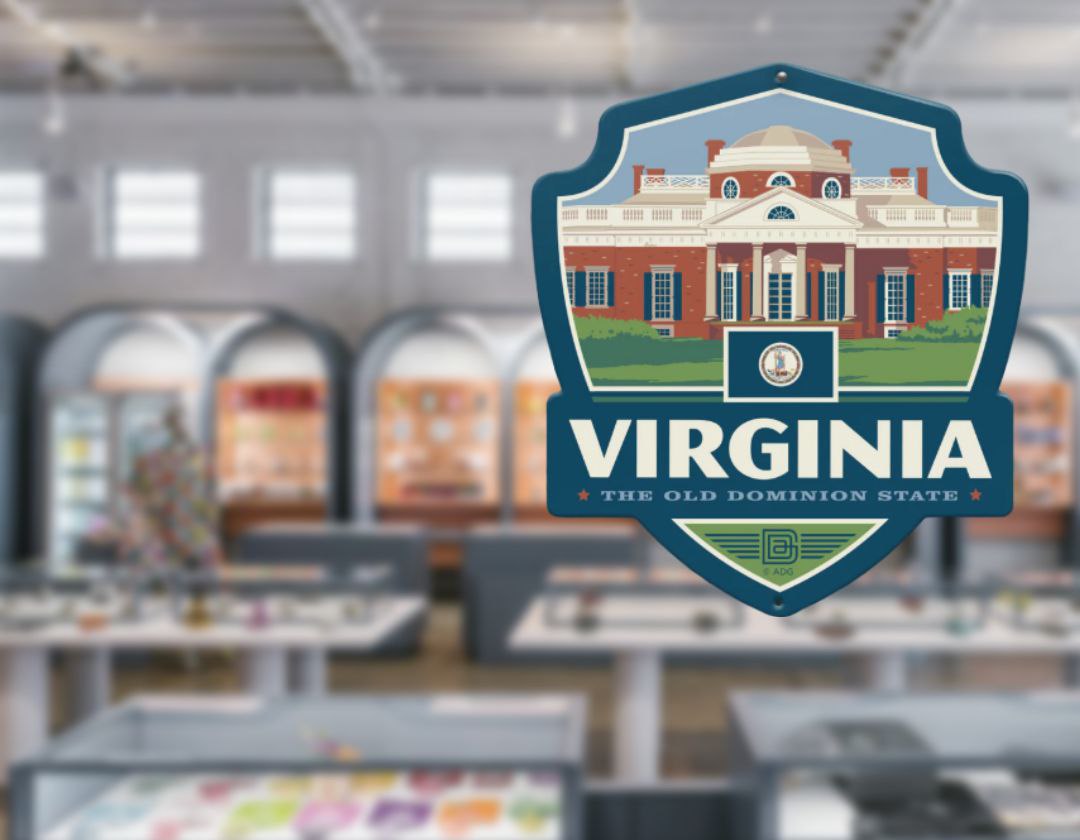
Photo: hospitalitydesign.com/Virginia State’s emblem courtesy of Anderson Design Group
About the Author: HCN News Team

Related Posts