Circle K Tests Hemp THC Waters in Texas
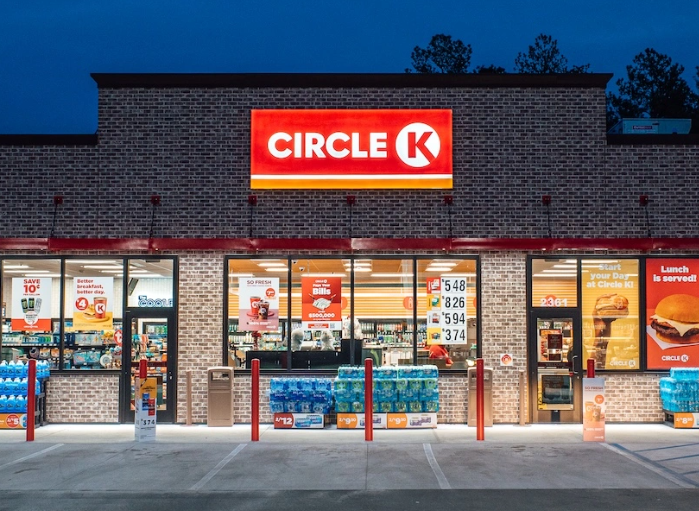






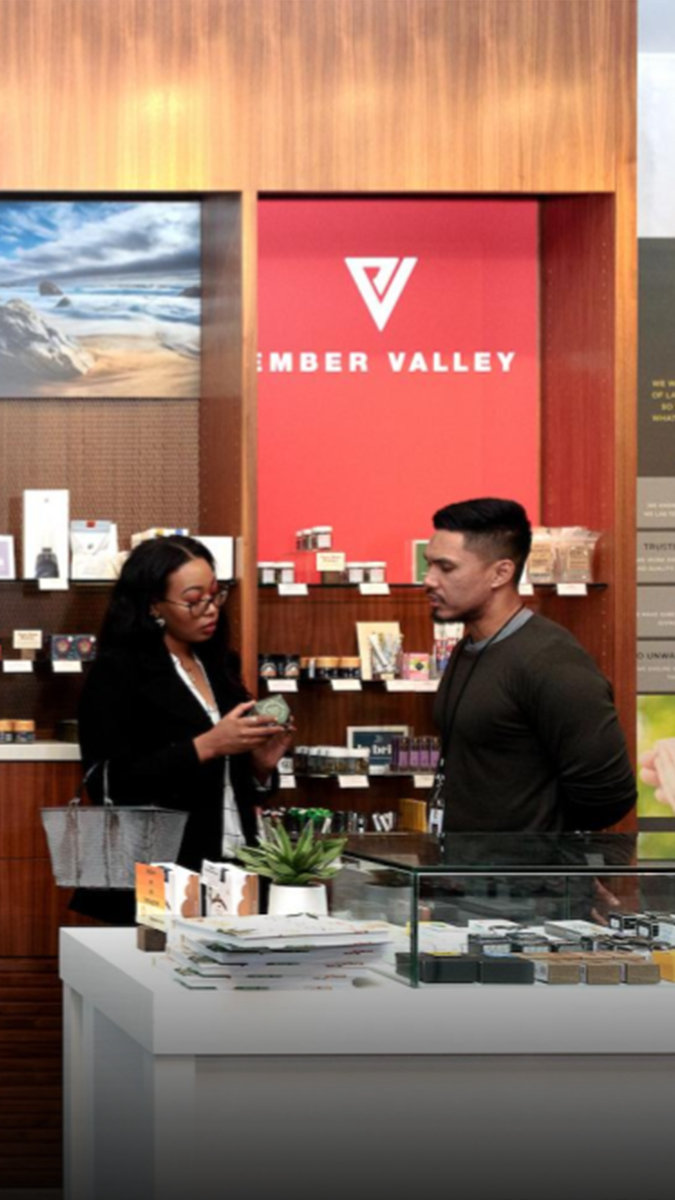
DALLAS – Circle K has begun stocking shelves with hemp-derived THC beverages at select Texas stores, marking the c-store chain’s first foray into the state’s market for intoxicating hemp products. The rollout, in partnership with beverage maker Varin Life, arrives as operators nationwide brace for a federal hemp ban that could upend sales of such items by November.
The products [innovative hemp-derived THC beverages] pack 10 to 30 milligrams of THC per serving, blended with nootropics like L-theanine and lion’s mane mushroom. Initial availability centers on more than three dozen locations across the Dallas-Fort Worth area, with in-store tastings planned through the year. This Texas push follows Circle K’s earlier experiments with THC-infused sodas in the Carolinas and Florida, where the chain tested Allen Iverson-branded cans containing 10 milligrams of THC.
Executives at Alimentation Couche-Tard, Circle K’s Canadian parent, frame the move as a measured step into cannabinoids, building on prior pilots with brands like Viola. “We’re responding to customer demand in markets where these products are legal,” a company spokesperson said, noting the chain’s 7,000 U.S. outlets provide a ready distribution network for compliant items. In Texas, where hemp-derived THC sales have exploded since the 2018 Farm Bill legalized low-potency Cannabis extracts, Circle K’s entry positions it ahead of rivals like 7-Eleven and Buc-ee’s, which have shied away from the category.
Yet the timing underscores a tension in the $28 billion hemp sector: rapid retail adoption clashing with tightening rules. Texas lawmakers have grappled with hemp’s gray areas, legalizing Delta-8 and similar isomers under the hemp umbrella while imposing age limits and testing requirements. Just this week, the Texas Supreme Court heard arguments in a challenge to the Department of State Health Services’ attempt to classify certain THC products as controlled substances, a decision that could clarify [or complicate] sales at spots like Circle K. Separately, state regulators proposed banning smokable hemp as early as January 25, sparing edibles and drinks but signaling broader scrutiny.
Federally, the picture grows sharper. A provision in last fall’s continuing resolution redefined hemp to cap total THC [including Delta-9, THCA and THC-like compounds] at 0.4 milligrams per retail container, effective November 12, 2026. Products exceeding that threshold, like Varin’s drinks, would shift to Schedule I status under the Controlled Substances Act, exposing sellers to felony risks. The change, aimed at closing what critics call a Farm Bill loophole, has sparked bipartisan pushback: A November bill from Rep. Nancy Mace seeks outright repeal, while another initiative from a GOP lawmaker proposes a two-year delay. Industry data shows hemp-derived THC beverages grew 17% year-over-year in 2025, capturing 21% of the intoxicating hemp segment – gains that could evaporate if enforcement ramps up.
About the Author: HCN News Team

Related Posts