Arizona Ballot Measure Targets Cannabis Retail Shutdown






PHOENIX – A conservative-backed campaign in Arizona has launched an effort to roll back key elements of the state’s adult-use Cannabis program, filing a ballot initiative last month that would shutter licensed dispensaries and end commercial sales while allowing individuals to grow Cannabis at home. The proposal, dubbed the Sensible Marijuana Policy Act for Arizona, marks the first direct challenge to the 2020 voter-approved legalization measure [Proposition 207] and could force a statewide referendum in November 2026.
Submitted on December 17, 2025, to the Arizona Secretary of State’s office, the initiative carries the serial number I-04-2026 and has received clearance to collect signatures. Backers, led by political strategist Sean Noble through his organization American Encore, must secure 255,949 valid signatures from registered voters by July 3, 2026, to qualify for the ballot, a threshold equal to 10% of the votes cast in the last gubernatorial election. If approved by a simple majority of voters, the measure would take effect on January 1, 2028, effectively preserving medical Cannabis access but eliminating the regulated retail framework.
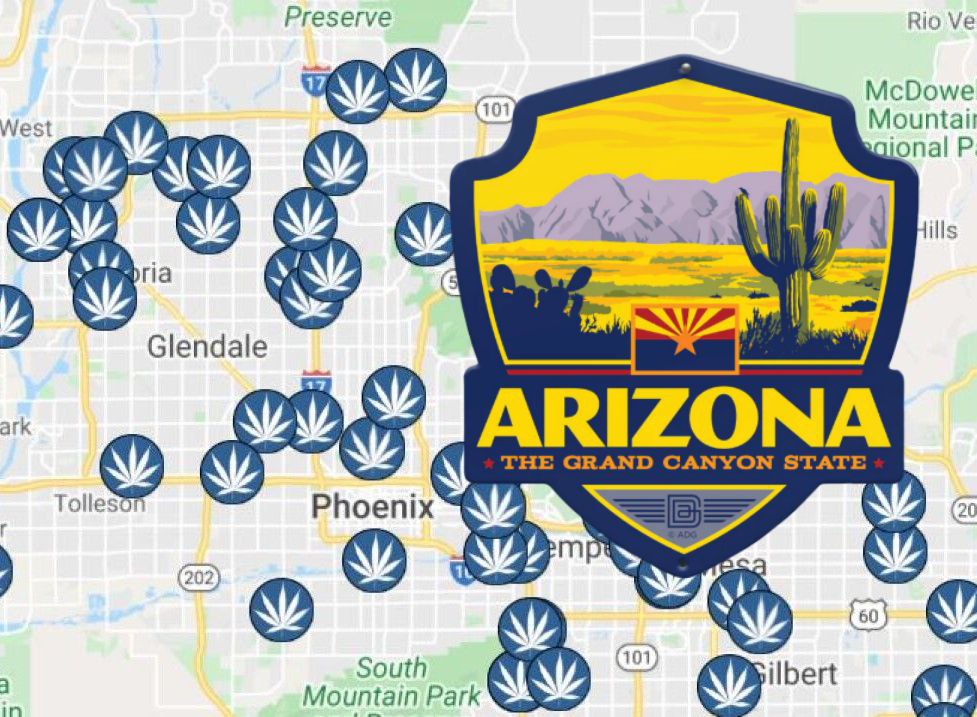
The 2020 ballot measure, known as the Smart and Safe Arizona Act, passed with 60% support and has since fueled a market of more than 100 licensed dispensaries, generating $223.6 million in state tax revenue during fiscal year 2025 alone. Under the new proposal, adults 21-plus could still possess up to one ounce of Cannabis and cultivate up to six plants for personal use, with no criminal penalties for consumption. Provisions for expunging prior convictions and medical programs for qualified patients would remain untouched. However, the initiative directs the state Legislature to overhaul rules on advertising, taxation and oversight, repealing statutes that authorize commercial cultivation, manufacturing, testing labs and retail outlets.
Noble, a veteran Republican operative who has worked on high-profile issues including opposition to the Affordable Care Act, frames the push as a targeted fix rather than a full prohibition. In recent interviews, he has pointed to rising concerns over youth access, potent THC products and environmental costs tied to large-scale grows, arguing that the original legalization fell short on safeguards. The effort draws financial support from Smart Approaches to Marijuana, a national anti-legalization group, and aligns with parallel legislative moves, like a bill by State Rep. Selina Bliss to expand medical access for terminally ill patients as an opioid alternative.
As of early January 2026, signature gathering has just begun, with Noble estimating costs could reach $5 million for petitions alone and up to $20 million for the full campaign. No public progress reports have surfaced yet, but organizers anticipate a six-month sprint involving paid circulators across urban centers like Phoenix and Tucson.
Cannabis industry leaders have swiftly mobilized against the measure, warning of severe economic fallout. Shutting down retail operations could eliminate thousands of jobs and forfeit hundreds of millions in annual taxes, at a time when sales have already softened, dropping 9.9% year-over-year in early 2025 amid market saturation. Morgan Fox, a policy director at the National Organization for the Reform of Marijuana Laws, called the initiative a “Trojan Horse” that risks driving users back to unregulated sources, undermining the very public health goals proponents claim to champion. Trade groups like the Arizona Cannabis Industry Association have pledged resources for opposition, citing the 2020 mandate as evidence of sustained voter backing for a controlled commercial system.
The filing comes as Arizona’s Cannabis sector grapples with headwinds, including stalled growth and debates over equity in licensing. Proponents counter that personal-use models in states like Alaska have curbed commercialization’s excesses without sacrificing access, potentially offering a blueprint for others dissatisfied with corporate dominance. Yet analysts note the uphill battle: Repeal efforts in other legalized states, like a failed 2024 push in California, have faltered against entrenched economic interests.
For the Cannabis trade, this Arizona contest gauges the resilience of voter-approved reforms in a maturing industry. While personal freedoms appear secure, the commercial model’s viability hangs in the balance of grassroots mobilization and turnout. This isn’t a referendum on Cannabis itself, but on how we structure access and accountability. Success for backers would disrupt supply chains and investor confidence nationwide, but the data suggests most consumers and taxpayers value the regulated revenue stream. Expect a fierce defense from stakeholders who see the 2020 victory as settled law.
Image: ABC15/Google Maps/Arizona State’s emblem courtesy of Anderson Design Group
About the Author: HCN News Team

Related Posts