Texas Awards $50M Grant to Spearhead Ibogaine Trials
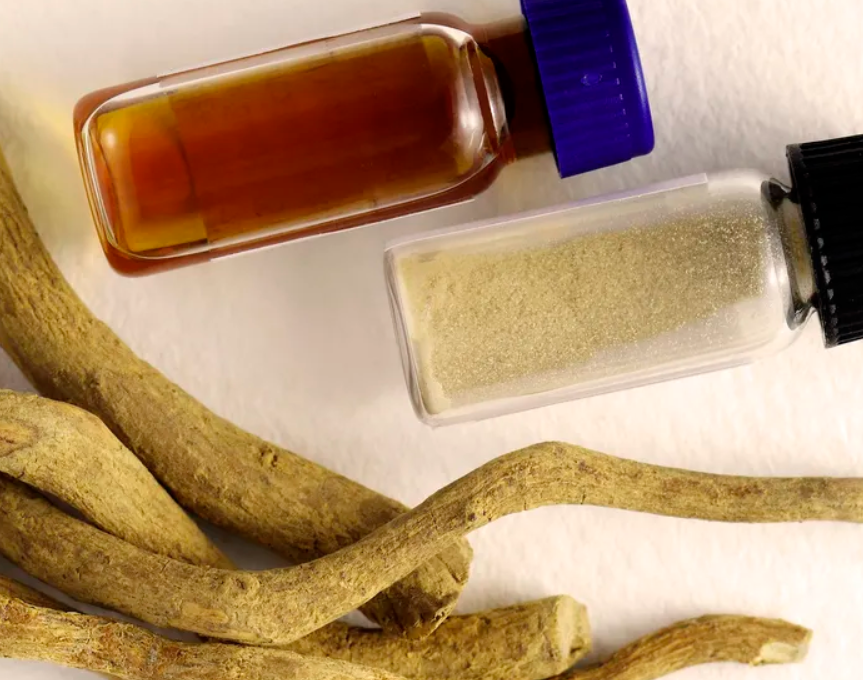






AUSTIN – The Texas Health and Human Services Commission has granted $50 million to a statewide consortium led by UTHealth Houston and the University of Texas Medical Branch at Galveston, marking the formal launch of clinical trials for ibogaine, a psychoactive compound derived from an African shrub. The two-year initiative, dubbed Ibogaine Medicine for PTSD, Addiction, and Cognitive Trauma (IMPACT), will test the substance’s effects on opioid dependence, post-traumatic stress disorder (PTSD), and traumatic brain injuries (TBIs), conditions that disproportionately affect the state’s 1.7 million veterans and serving military members.
The funding stems from Senate Bill 2308, signed into law by Gov. Greg Abbott in June, which authorized the creation of a public-private partnership to pursue U.S. Food and Drug Administration approval for ibogaine-based treatments. Under the measure, the state will match private investments dollar-for-dollar up to the $50 million cap, while retaining a 20% share of future revenues from any approved drug, half of which would support veterans’ programs. Proponents, including former Gov. Rick Perry, who chairs the advocacy group Americans for Ibogaine, have long pushed the effort as a bipartisan response to gaps in conventional therapies.
“This is Texas stepping up where federal policy has stalled,” Perry said in a recent address to state legislators, noting the compound’s track record in observational studies abroad. Early data, including a 2024 Stanford-led trial of military veterans, reported an 88% drop in PTSD symptoms and 87% reduction in depression after a single dose, alongside neurological improvements in brain scans. Such findings have fueled interest, even as ibogaine remains a Schedule I substance under federal law, limiting U.S. research.
The IMPACT consortium unites more than a dozen Texas institutions, from Texas A&M University to Baylor College of Medicine, pooling expertise in pharmacology, neurology, and clinical care. UTHealth Houston will oversee addiction-focused studies, while UT Austin’s Dell Medical School targets brain injury protocols. Drug developers, including those exploring synthetic analogs to mitigate ibogaine’s cardiac risks, will handle regulatory filings. Trials are slated to begin enrolling patients next year, prioritizing safety with cardiac monitoring and integration therapy.
This move positions Texas as the frontrunner in state-backed psychedelic science, outpacing smaller efforts in Oregon and Colorado. It arrives amid federal shifts, like the recent rescheduling of Cannabis to Schedule III, which could ease barriers for related compounds.
Texas’s investment signals confidence in ibogaine’s data-driven edge, much like Cannabis’s path from fringe remedy to economic driver. Success here could accelerate FDA pathways, benefiting not just veterans but the broader behavioral health market projected to exceed $105 billion by 2030. Yet outcomes will hinge on execution: transparent trials, equitable access, and safeguards against overpromising. For now, this consortium sets a benchmark, reminding us that innovation often starts with bold, evidence-led bets.
About the Author: HCN News Team

Related Posts