Virginia Panel Outlines Path to Regulated Cannabis Sales in 2026
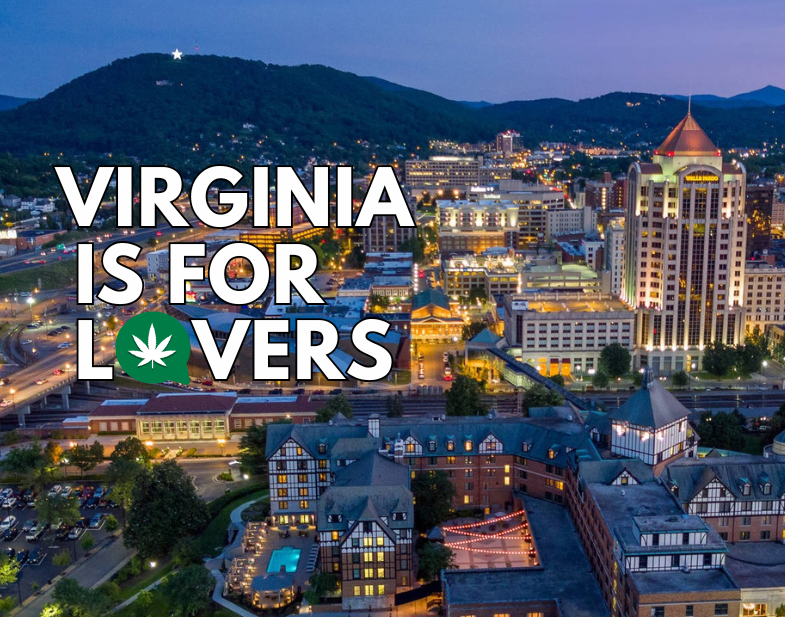






RICHMOND – Members of Virginia’s Joint Commission to Oversee the Transition of the Commonwealth into a Cannabis Retail Market presented a series of amendments to create a licensed system for adult-use Cannabis sales, targeting a launch date of November 1, 2026. The framework, built on prior legislative drafts, removes provisions allowing local governments to block retail operations and introduces measures to limit corporate dominance like caps on ownership stakes and priority licensing for microbusinesses tied to the state’s agricultural base.
The proposal arrives at a turning point for the commonwealth’s Cannabis policy. Possession and home cultivation became legal in 2021, yet repeated vetoes by outgoing Republican Gov. Glenn Youngkin stalled commercial sales, leaving an estimated illicit trade to flourish unchecked. With Democrats now holding majorities in both legislative chambers and Gov.-elect Abigail Spanberger, preparing to assume office in January, the path forward appears unobstructed. Spanberger, who during her campaign endorsed a “clear strategy” for a market that ensures consumer safety and business transparency, has committed to signing such legislation after review.
At its core, the commission’s blueprint seeks to foster a decentralized industry. It calls for 350 retail licenses statewide [roughly matching the number of state-run alcohol outlets] and an 8% state tax rate, with localities able to add up to 3.5% more. Early access for small cultivators would allow them to supply retailers before larger players enter, aiming to build equity for communities hit hard by past enforcement. Product testing, zoning restrictions near schools and seed-to-sale tracking round out the regulatory core, all designed to shift demand from underground networks to verifiable outlets.
Economic projections underscore the stakes. A state analysis from the Joint Legislative Audit and Review Commission estimates that by the fifth year of operations, tax collections could reach $154 million to $308 million annually, depending on the rate and market uptake, while generating 11,000 to 18,000 jobs concentrated in urban centers. Drawing parallels to neighbors, commission chair Del. Paul Krizek noted the 8% base mirrors Maryland’s initial structure to stay price-competitive, potentially yielding $100 million or more in state taxes if sales mirror New Jersey’s pace. Revenue would fund substance use prevention, pre-K programs and a Cannabis Equity Reinvestment Fund, directing 60% of net proceeds toward repairing prohibition’s harms.
Yet the plan invites scrutiny on execution. Critics, including some equity advocates, argue that even with safeguards, well-resourced operators could still edge out newcomers through superior distribution, echoing experiences in states like Washington where minority-owned firms have lagged. The absence of opt-outs, while streamlining the rollout, may strain rural zoning enforcement, while early sales forecasts, pegged at $400 million annually, depend on aggressive marketing to convert illicit buyers. Success will turn on how lawmakers refine these details in the January session, balancing growth with guardrails against overconsolidation.
For Virginia’s Cannabis sector, this framework marks a calculated entry into a $43 billion national industry, one where measured taxes and local focus could yield steady returns without the boom-bust cycles seen elsewhere. If enacted as proposed, it positions the commonwealth to claim a slice of regional demand while bolstering its farm economy provided regulators enforce the rules with precision.
About the Author: HCN News Team

Related Posts