
Psyence BioMed Ventures into Psilocybin’s Role in Aging Research
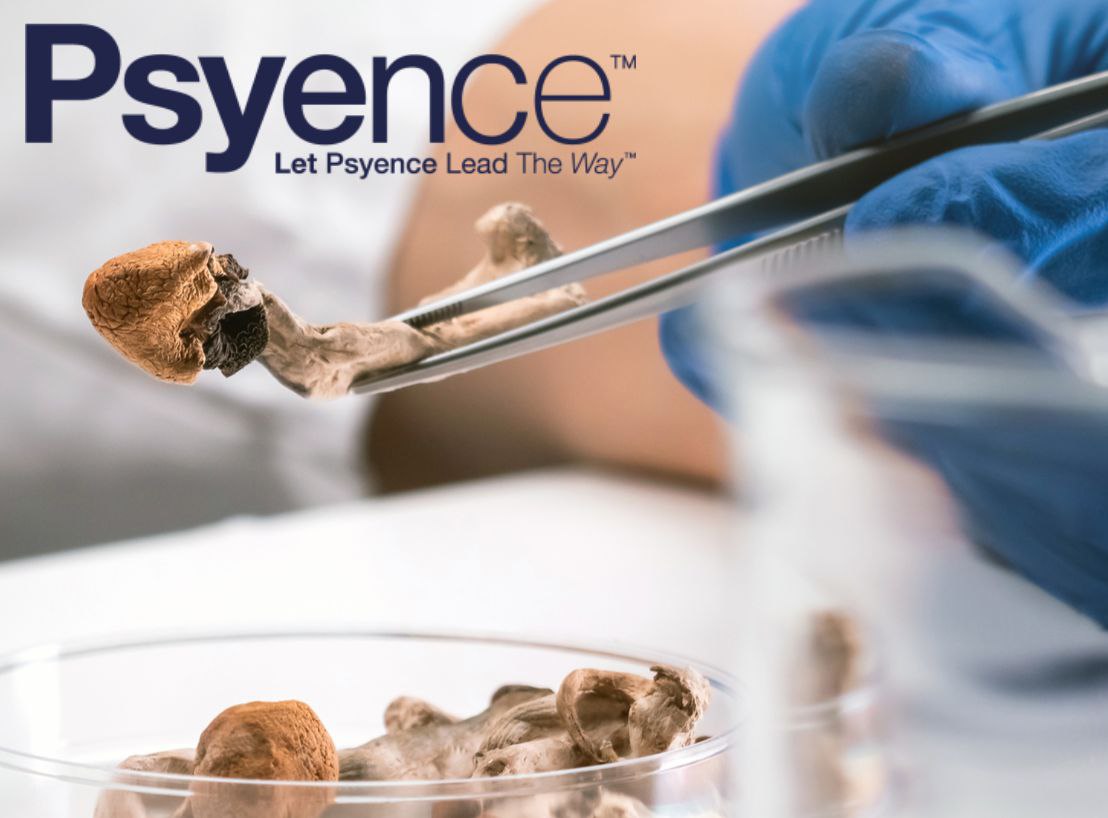






NEW YORK – Psyence BioMedical Ltd. disclosed its entry into longevity science with a new program probing psilocybin’s influence on key aging indicators. The initiative, conducted alongside South African academics, marks the company’s first foray beyond mental health applications and establishes it as the sole public firm pursuing this angle on the Schedule I substance.
At its core, the project deploys an accelerated preclinical framework to track shifts in cellular stress, inflammatory responses, mitochondrial efficiency, and telomere length following psilocybin exposure. Early lab work underpinning the effort points to psilocin [the compound’s active form] prolonging survival rates in elderly rodents and boosting the viability of human skin and lung cells by more than half. Researchers at Psyence frame these outcomes as hints that psilocybin might dial down oxidative damage, safeguard genetic caps on chromosomes, and spark neural adaptability, all factors tied to extended health spans.
The timing aligns with a surge in investor curiosity over psychedelics’ overlap with gerontology, as U.S. healthcare spending on age-related conditions tops $400 billion yearly, per federal estimates. Psyence’s Co-Founder, Executive Chairman and Director, Jody Aufrichtig, outlined in a recent commentary how such natural compounds could redefine preventive care, emphasizing quality years over mere extension. Yet the program advances without fresh capital infusions, relying instead on existing resources as the firm readies ethics clearances for ramped-up testing in early 2026.
Online discussions amplified the reveal over the Thanksgiving break, with X users dissecting preclinical promise and speculating on broader therapeutic frontiers. Meanwhile, stock watchers noted Psyence’s low share float [under 1 million outstanding] as a volatility trigger, though trading volumes stayed measured post-announcement.
This push reflects a calculated expansion for Psyence, which has prioritized non-synthetic formulations to sidestep synthesis hurdles in regulated markets. Critics, however, caution that translating mouse data to human trials demands rigorous validation, given psychedelics’ variable pharmacokinetics and the field’s nascent regulatory footing. Industry analysts forecast sustained growth in psychedelic clinical trials, with over 100 psilocybin studies active worldwide as of late 2025, bolstered by operational supervised therapy programs in Oregon and Colorado‘s newly licensed healing centers, which could spur market expansion beyond $11 billion by 2034 if federal reforms follow suit.
Generally, Psyence’s move underscores a shift toward diversified pipelines amid persistent Schedule I barriers. Success here could validate psychedelics as a staple in the $7.4 trillion [!] wellness economy, but only if preclinical signals hold through Phase I scrutiny. Investors should closely monitor ethics approvals and interim biomarkers, since the real challenge lies in bridging the gap between lab bench and bedside viability.
About the Author: HCN News Team

Related Posts