9th Circuit Orders U.S. Government to Pay Over $2M to Ayahuasca Church






PHOENIX – The Ninth U.S. Circuit Court of Appeals has ruled that the federal government must reimburse the Church of the Eagle and the Condor and its members more than $2 million in attorney fees after a settlement that permits the group to import and use ayahuasca for religious ceremonies.
The three-judge panel reversed a U.S. District Court decision in Arizona that had denied the fees, finding that the church qualified as the prevailing party under federal law once the government agreed to resolve the case. The unpublished memorandum opinion remanded the matter to District Judge Susan R. Bolton with instructions to award the fees and costs.
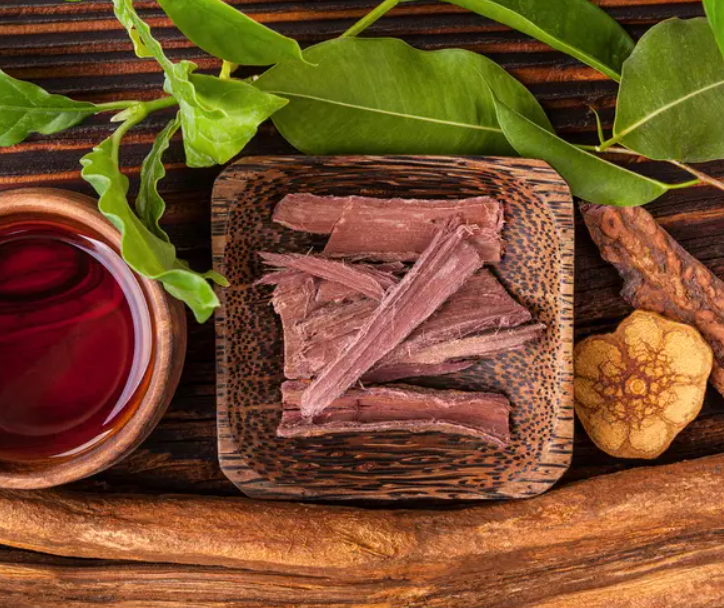
The Church of the Eagle and the Condor, founded in Phoenix in 2018 by physician Joe Tafur and Rodney Garcia, incorporates ayahuasca as a sacrament in ceremonies focused on spiritual development and community. In 2020, U.S. Customs and Border Protection seized a shipment of the brew destined for the church. That action prompted a 2022 federal lawsuit alleging violations of the Religious Freedom Restoration Act as well as First, Fifth and Ninth Amendment rights, along with claims under the Freedom of Information Act.
After discovery and negotiations, the parties reached a settlement in February 2024. Federal agencies, including the DEA, Department of Homeland Security and Customs and Border Protection, issued permits allowing the church to import ayahuasca in concentrated form, manufacture it for religious use, and handle storage and distribution under security, record-keeping and safety protocols; with registration fees waived. The agreement enabled the church to continue its practices without further seizures.
The fee dispute arose afterward. The district court had entered an order acknowledging the settlement and addressing costs but later ruled that plaintiffs were not prevailing parties because the agreement lacked formal judicial sanction. The court also dismissed the case on its own motion. Church attorneys sought more than $2 million in fees and expenses.
The Ninth Circuit majority, in an opinion by Judges Mary H. Murguia and Milan D. Smith Jr., held that the settlement materially altered the legal relationship between the parties and that the district court’s retention of jurisdiction to resolve fee issues supplied the necessary judicial oversight. The panel found the lower court abused its discretion by refusing to enforce the agreement’s terms on fees. Judge Michael Daly Hawkins concurred that the sua sponte dismissal was improper but dissented on the fee award, writing that the district court’s initial order did not sufficiently approve the settlement at the time the motion was filed.
The decision does not break new ground on the underlying religious-use claims or set binding precedent for other groups. It does, however, resolve the narrow question of fee entitlement following a government settlement in a controlled-substance religious-exemption case.
Overall, the ruling illustrates the practical costs and procedural realities of litigating RFRA accommodations against federal drug enforcement. Negotiated resolutions can deliver operational certainty for sincere religious organizations, yet the financial burden of reaching them often falls to taxpayers when plaintiffs prevail – a dynamic worth tracking as more entities test boundaries around Schedule I substances in ceremonial contexts.
About the Author: HCN News Team

Related Posts